


Civil society organisations (CSOs) have outlined key policy recommendations for government ahead of the presentation of the 2026 Mid-Year Budget Review, calling for stronger fiscal discipline, enhanced transparency, improved public financial management, and targeted interventions to stimulate economic growth.
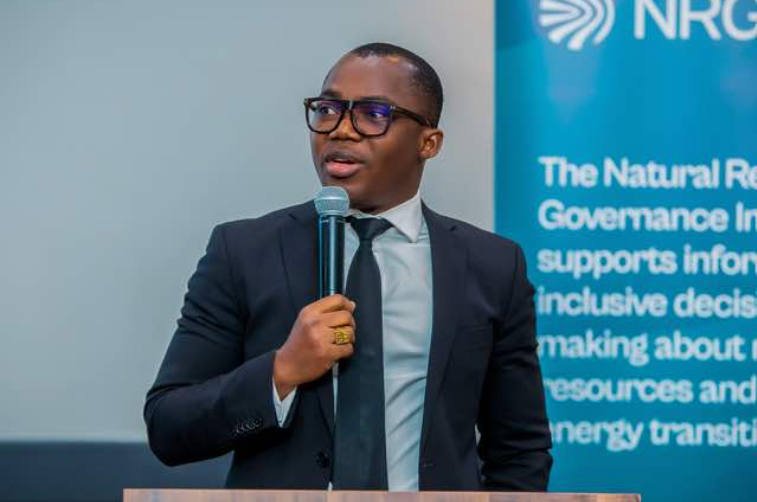
The recommendations emerged at the Pre-Mid-Year 2026 CSO Budget Forum, organised by the Natural Resource Governance Institute (NRGI) in Accra on Wednesday ahead of the 2026 Mid-Year Budget Review by Finance Minister, Dr Casiel Ato Baah Forson to Parliament on Thursday, July 23.
The forum brought together representatives from civil society organisations, policy think tanks, governance institutions and development partners to assess the country’s economic performance over the first half of the year and formulate a common position on priority issues for government.
Discussions focused on key thematic areas, including the macro-fiscal economy, extractives and energy, governance and anti-corruption, agriculture and food security, as well as social spending on education, health and social protection.
Speaking at the forum, NRGI Country Manager, Ghana, Patrick Stephenson, said the engagement was designed to provide an evidence-based platform for civil society to assess Ghana’s macroeconomic performance, evaluate developments in the extractive sector, and examine government policy implementation across critical sectors.
He noted that the deliberations would culminate in a unified civil society policy position to inform public discourse and contribute constructively to the government’s 2026 Mid-Year Budget Review.
“The objective is to take stock of the country’s economic performance over the past six months, assess developments in the extractive sector and other key sectors, and develop coordinated recommendations that can help improve policy outcomes,” Mr Stephenson said.
Participants acknowledged signs of improving macroeconomic stability but emphasisd the need for prudent fiscal management, stronger domestic revenue mobilisation and sustained reforms to consolidate recent gains.
On governance and anti-corruption, the forum called for stricter enforcement of compliance with the Ghana Electronic Procurement System (GHANEPS) and the Public Financial Management (PFM) framework, particularly across Metropolitan, Municipal and District Assemblies (MMDAs).
The CSOs also recommended the expansion of the Ghana Integrated Financial Management Information System (GIFMIS) to strengthen expenditure controls, improve accountability and enhance transparency in public financial management.
In the agriculture sector, participants urged government to waive taxes on agricultural machinery and equipment to reduce production costs, improve mechanisation and enhance food security.
The forum further underscored the importance of sustaining investments in education despite improvements in infrastructure at the basic level, healthcare and social protection programmes to cushion vulnerable households while promoting inclusive economic growth.
The recommendations are expected to feed into ongoing public discussions ahead of the Finance Minister’s presentation, which will provide an update on the implementation of the 2026 Budget, the country’s macroeconomic outlook and government’s fiscal strategy for the remainder of the year.
The annual pre-budget forum forms part of NRGI’s efforts to strengthen citizen participation in economic governance and ensure that public policy reflects the perspectives of civil society and affected communities.
By: Christian Kpesese