


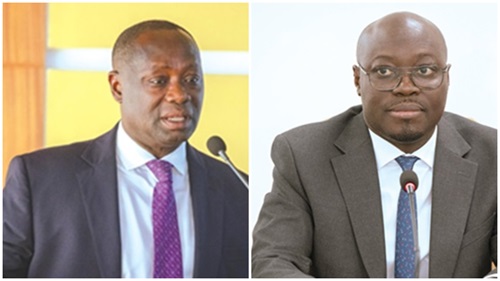
Ghana’s small-scale gold exports have reached 88 tonnes valued at US$12 billion since January 2026, surpassing the 80.64 tonnes valued at US$10.23 billion recorded by the large-scale mining sector over the same period, Finance Minister Dr Cassiel Ato Forson has disclosed.
The figures, presented in the 2027 Budget Statement to Parliament on Thursday, November 12, 2026, highlight the growing contribution of the artisanal and small-scale mining sector to the country’s foreign exchange earnings and the Government’s efforts to strengthen gold purchases and exports through the Ghana Gold Board (GoldBod).
According to Dr Forson, the earnings from small-scale gold exports are increasing foreign exchange supply, strengthening international reserves and supporting the stability of the cedi.
He said Government was also pursuing measures to reduce the cost of generating foreign exchange through the gold purchase programme.
Under the Ghana Accelerated National Reserves Accumulation Programme (GANRAP), the baseline cost of accumulating reserves had declined from 16 per cent in 2025 to 5 per cent in 2026.
To reduce the cost further to 2 per cent, Government intends, in consultation with industry stakeholders, to introduce a 3 per cent discount on small-scale gold purchases in 2027.
The Finance Minister urged the Ghana National Association of Small-Scale Miners and Licensed Gold Buyers Associations to support the proposed reforms, which he said would help secure greater national value from gold while reducing the cost of reserve accumulation.
The gold purchase reforms form part of a wider restructuring of Ghana’s natural resource governance and revenue management framework.
Government intends to introduce a Natural Resource Revenue Management Act to replace the Petroleum Revenue Management Act, which currently covers only oil revenues.
The proposed legislation will bring revenues from oil, gold, lithium, bauxite and other extractive resources under a common framework designed to improve accountability and ensure that mineral wealth benefits present and future generations.
Dr Forson said natural resource revenues would be directed towards major national infrastructure projects.
Government is also proposing to merge the Minerals Income Investment Fund (MIIF) and the Ghana Infrastructure Investment Fund (GIIF) to establish a Ghana Sovereign Wealth Fund.
The new fund is expected to improve investment coordination, increase returns and finance transformative projects.
It will also serve as an equity partner for projects under the private-sector-led 24-Hour Economy and Accelerated Export Development Programme, helping to attract private capital and originate viable investments.
The proposed reforms are intended to ensure that Ghana’s mineral resources contribute not only to foreign exchange reserves but also to long-term national development.
However, the expansion of small-scale gold exports and the growing role of GoldBod also place greater importance on transparency, traceability, responsible sourcing and effective oversight of the gold supply chain.
Ensuring that increased export earnings translate into sustainable mining practices, improved livelihoods and stronger public revenues will be central to assessing the long-term success of the reforms.
By: Christian Kpesese