


Ghana’s decision to take a leading role in shaping the global transition away from fossil fuels has placed the country among nations helping to define the future of energy governance, but the move must now translate into tangible benefits for citizens at home, the Natural Resource Governance Institute (NRGI) has said.
At the just-ended COP31 climate conference in Türkiye, Ghana committed to co-lead the Santa Marta process on national transition plans alongside the United Kingdom and support the Fossil Fuel Non-Proliferation Treaty initiative, marking a significant development for an African country that produces oil while engaging in international efforts to chart a pathway away from fossil fuel dependence.
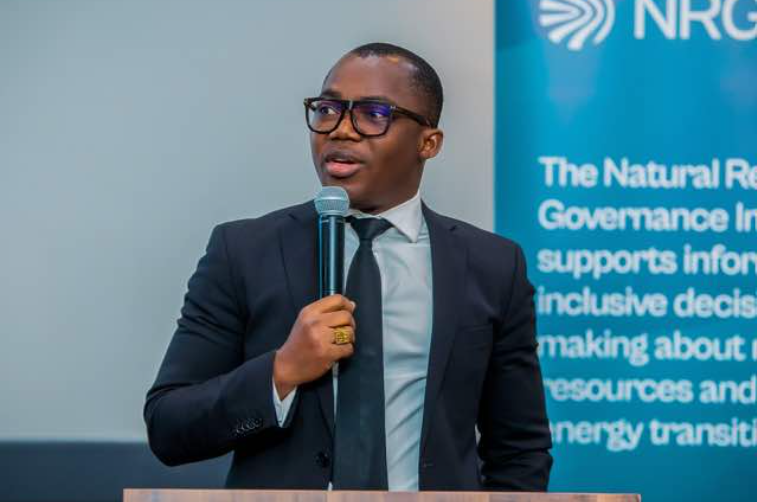
Ghana Country Manager of NRGI, Patrick Stephenson, has welcomed the country’s emerging leadership in the global discussions but says the real test will be how the government translates its international commitments into a credible and inclusive domestic energy transition that delivers lower energy costs, employment opportunities and cleaner air.
In his perspective on Ghana’s engagement at COP31, Mr Stephenson said:
“At COP31, Ghana showed what leadership on the transition away from fossil fuels can look like from an oil-producing African country. By stepping up to co-lead the Santa Marta work on national transition plans with the UK, and joining the countries developing a Fossil Fuel Non-Proliferation Treaty, Ghana has put itself where the rules of the transition are being written.
“But Ghanaians want to see how Ghana’s own just energy transition will work for them: lower energy costs, new jobs, and cleaner air. Ghana must now turn its COP31 leadership into progress at home, starting with a credible plan to reduce the budget’s reliance on oil revenues over time and redefine GNPC’s role. That plan should be built with communities and civil society, informed by evidence, and transparent, so citizens can judge it on results, not promises.”
By: Christian Kpesese