


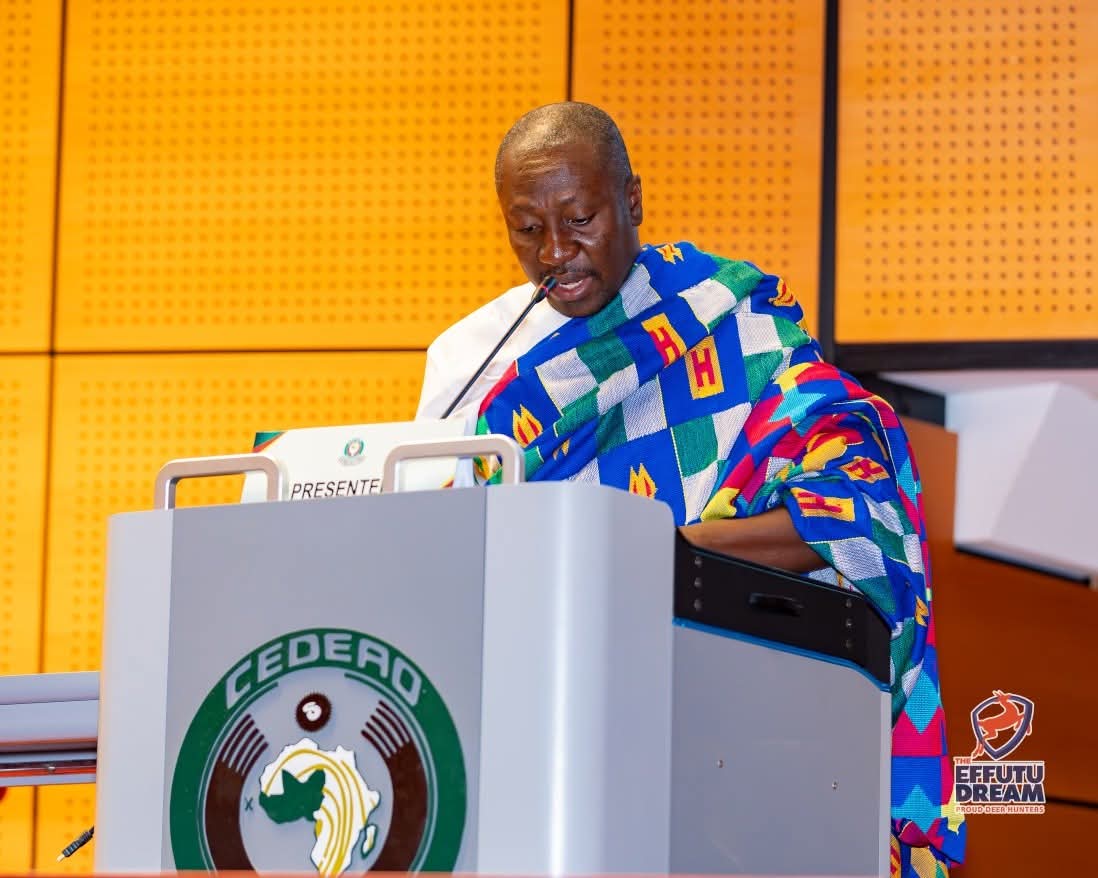
A senior figure in the ECOWAS Parliament has warned that the bloc risks losing its moral authority if it fails to guarantee the safety of its citizens across member states, following a spate of deadly attacks and rising xenophobia within the region.
Third Deputy Speaker Alexander Kwamena Afenyo-Markin used the opening of the Parliament’s First Ordinary Session of 2026 in Abuja to shift the debate from rhetoric to enforcement, urging immediate institutional action to protect West Africans moving within and beyond the sub-region.
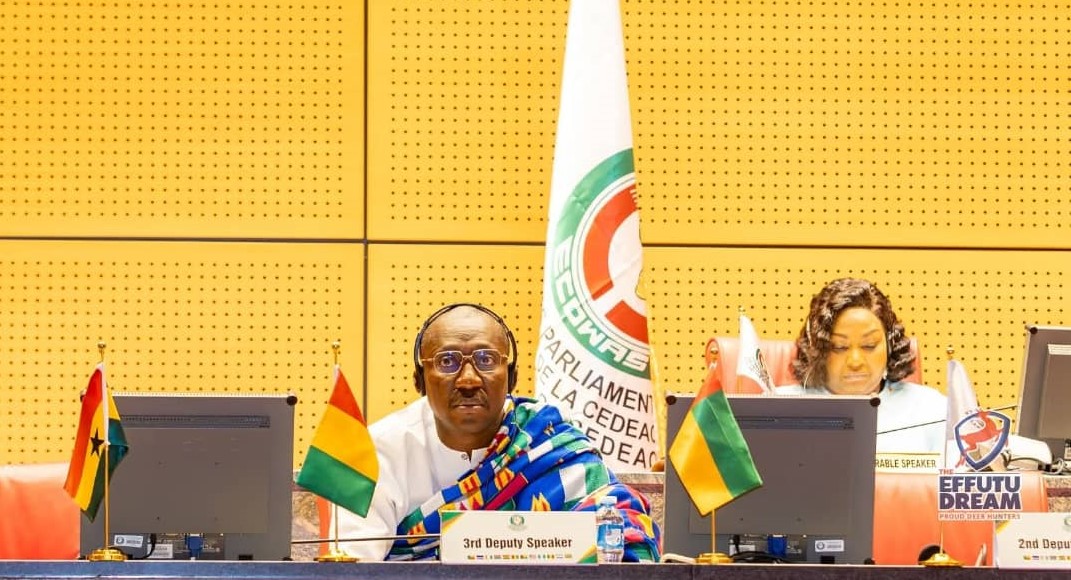
Invoking Rule 71, the Ghanaian delegate framed the issue as a test of ECOWAS’ core promise of free movement, citing recent killings and systemic harassment at borders as evidence of a widening gap between policy and lived reality.
Central to his intervention was the February 14 attack in northern Burkina Faso, where militants linked to Al-Qaeda ambushed a group of Ghanaian traders, killing several and destroying their vehicle. He described the victims as essential actors in the regional economy, warning that insecurity along trade routes is undermining livelihoods and cross-border commerce.
He further pointed to instability in Mali, where a recent offensive has disrupted key transport corridors, effectively weakening trade links and raising fresh concerns about the safety of travellers. According to him, the situation has already prompted official caution over the viability of certain routes.
Beyond West Africa, Afenyo-Markin drew attention to renewed xenophobic attacks in South Africa, where several foreign nationals—including West Africans—have reportedly been targeted, killed, or displaced in multiple cities. While acknowledging public condemnations by President Cyril Ramaphosa, he stressed that statements alone are insufficient without visible law enforcement action and accountability.
The Deputy Speaker also turned the spotlight inward, criticising ECOWAS institutions for failing to fully implement the 1979 free movement protocol. He noted that travellers continue to face extortion and delays at checkpoints, often in contradiction to regional agreements.
To address the growing crisis, Afenyo-Markin proposed a set of targeted measures, including the establishment of a parliamentary committee dedicated to citizen safety, the adoption of enforceable resolutions on free movement rights, and stronger engagement with continental human rights bodies.
His remarks signal a push within the regional legislature to move beyond declarations and toward practical mechanisms that ensure the protection of ECOWAS citizens—an issue increasingly seen as central to the bloc’s relevance and credibility.