


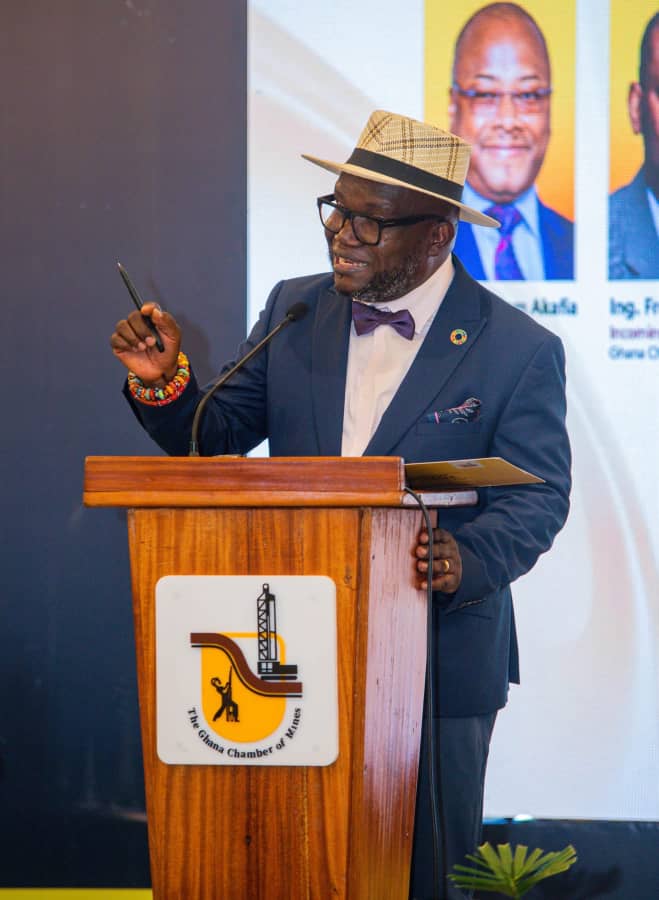
Ghana’s mineral-rich landscape still holds enormous untapped potential, with an estimated more than 3 trillion ounces of gold yet to be discovered, Chief Executive Officer of the Ghana Chamber of Mines, Ing. Dr. Kenneth Ashigbey, has disclosed.
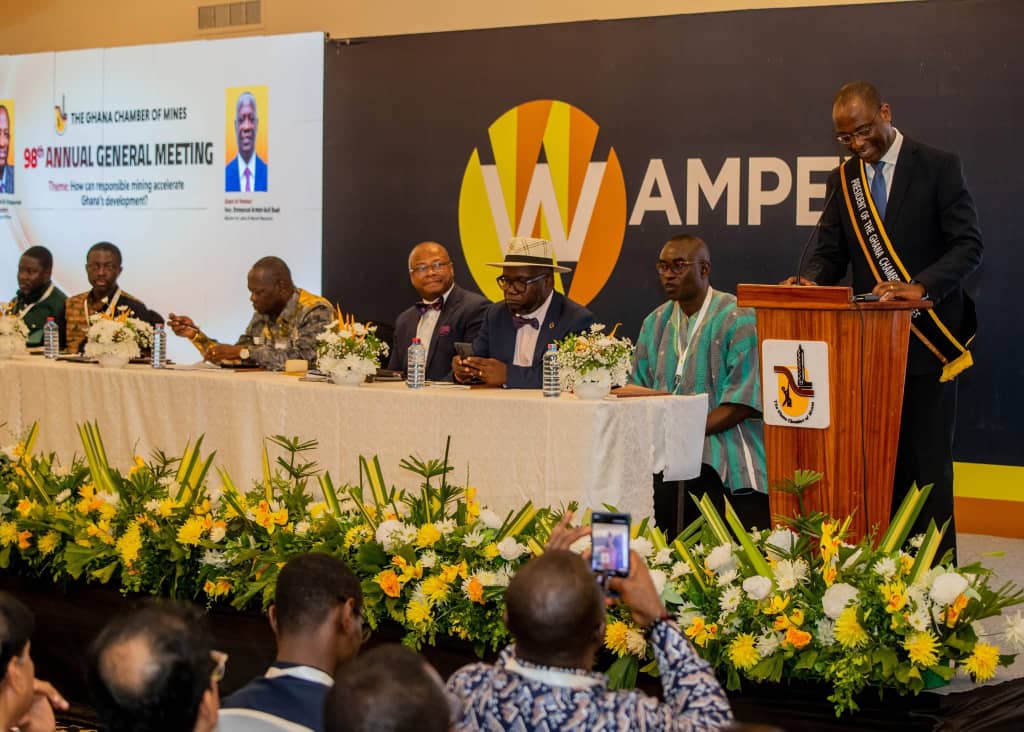 He made the revelation during Chamber’s 98th Annual General Meeting (AGM) as industry players concludes the successful 2026 West African Mining and Power Expo (WAMPEX) in Accra.
Ing Dr Ashigbey’s disclosure underscores the vast opportunities that remain within the country’s mining sector highlighting the importance of ensuring a conducive environment to attract the needed investment to safeguard the economic fortunes of Ghana.
“The past year deepened my appreciation of mining’s role in Ghana’s development. I am convinced this industry is key to our economic future. Over 3 trillion ounces of gold remain to be found,” Dr. Ashigbey stated.
His remarks come at a time when Ghana continues to consolidate its position as Africa’s leading gold producer and one of the continent’s most attractive destinations for mining investment.
Reviewing the sector’s performance in 2025, Dr. Ashigbey said the mining industry demonstrated remarkable resilience despite global economic challenges, including geopolitical tensions, inflationary pressures, supply chain disruptions, energy market volatility and increasing climate-related obligations.
According to him, the large-scale mining sector contributed more than GH¢22.22 billion in revenue to the national economy while supporting over 13,819 direct jobs. The industry also remained a major source of export earnings and foreign exchange, particularly through the Domestic Gold Purchase Programme.
He disclosed that member companies spent approximately US$4.2 billion on local procurement, helping to stimulate economic activity across the country, while investing about US$88.6 million in infrastructure and community development projects in their host communities.
Dr. Ashigbey emphasized that maintaining a stable and competitive fiscal regime remains critical to unlocking Ghana’s vast mineral potential and attracting long-term investment into the sector.
He welcomed government’s decision to reduce the Growth and Sustainability Levy (GSL) from three percent to one percent in 2026 after extensive consultations between industry players and policymakers. The Chamber, he noted, would continue to advocate for the complete removal of the levy to improve the competitiveness of Ghana’s mining sector.
Beyond fiscal issues, the Chamber actively contributed to discussions on reforms to the Minerals and Mining Act, including proposals to introduce a medium-scale mining category, improve lease administration and strengthen dispute resolution mechanisms.
Dr. Ashigbey said these reforms are necessary to strike a balance between advancing Ghana’s development objectives and maintaining investor confidence.
On sustainability, he reiterated the industry’s commitment to responsible mining and environmental stewardship and highlighted ongoing collaboration between the Chamber and the Environmental Protection Authority (EPA) on permitting processes, reclamation bonds, environmental, social and governance (ESG) standards and broader governance reforms.
The Chamber CEO also acknowledged the persistent threat posed by illegal mining, describing it as one of the greatest challenges confronting the industry and the environment.
To address the menace, he said the Chamber had intensified engagements with government, regulators, traditional authorities, security agencies and international partners, including the World Gold Council, the World Bank and the London Bullion Market Association, to promote responsible mining practices and stronger enforcement measures.
In the area of human capital development, Dr. Ashigbey highlighted the Chamber’s continued investment in research, innovation and skills training through its partnership with the University of Mines and Technology (UMaT). He noted that an additional US$2 million had been committed to the next phase of its Tertiary Education Fund to support research grants, student bursaries and internship opportunities.
Ing Ashigbey expressed optimism about the future of Ghana’s mining industry despite challenges relating to illegal mining, infrastructure constraints, fiscal pressures and ongoing regulatory reforms.
According to him, the Chamber’s strategic priorities for 2026 will focus on advocating stable and competitive policies, strengthening stakeholder collaboration, promoting responsible and sustainable mining, enhancing public understanding of the sector’s contribution to national development and advancing digital transformation within the Chamber.
He also announced that preparations were underway for the Chamber’s centenary celebrations, which will mark 100 years of service to Ghana’s mining industry. The anniversary, he said, would provide an opportunity to reflect on the sector’s contribution to national development while charting a future anchored on sustainability, innovation and inclusive growth.
By: Christian Kpesese