


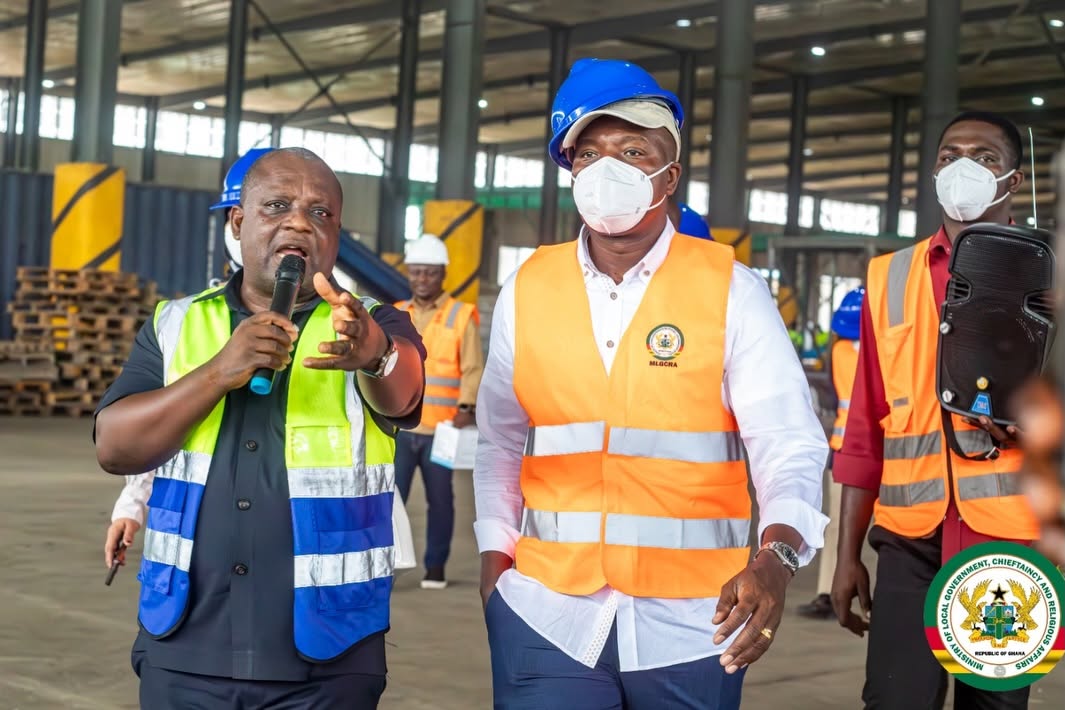
Newly appointed Minister for Local Government, Chieftaincy and Religious Affairs, Mahama Ayariga, has placed sanitation at the centre of his agenda, declaring waste-management sites his “first office” as he begins new assignment.
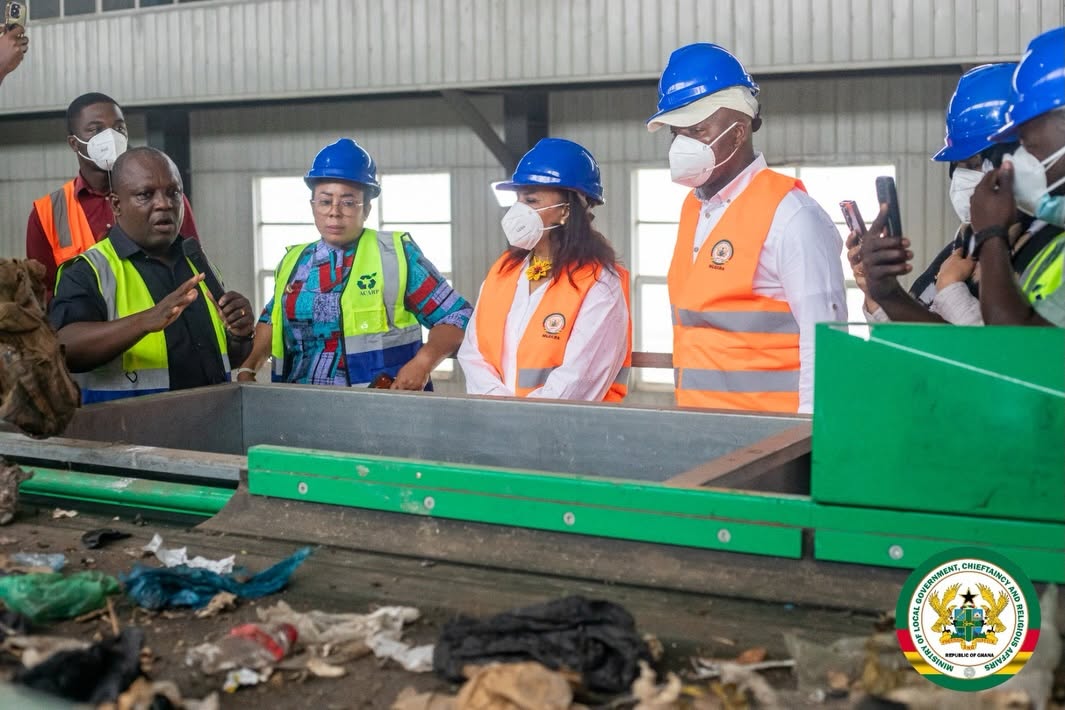
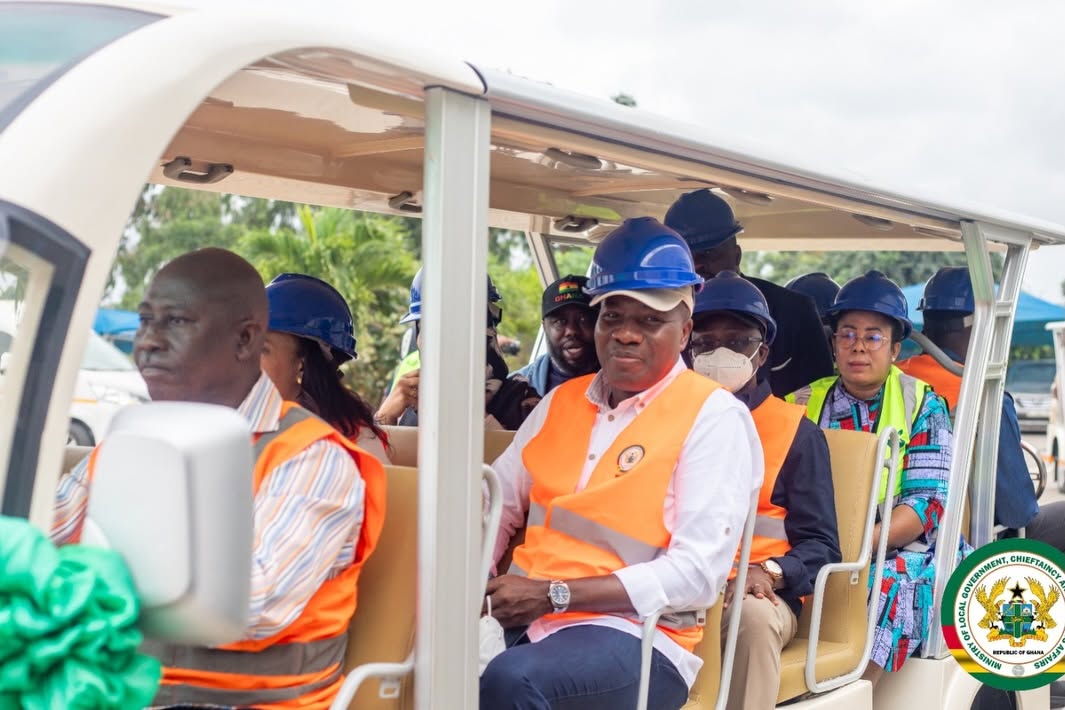
Even before formally taking over the administration of the Ministry on Tuesday, the Bawku Central MP and former Majority Leader had begun touring landfill, waste-management and compost sites in Accra to acquaint himself with the sanitation situation on the ground.
Speaking at the official handing-over ceremony in Accra, where his predecessor, Ahmed Ibrahim, transferred the administration of the Ministry to him, Mr Ayariga said his early field visits were deliberate and reflected his determination to address the sanitation challenge from the ground up.
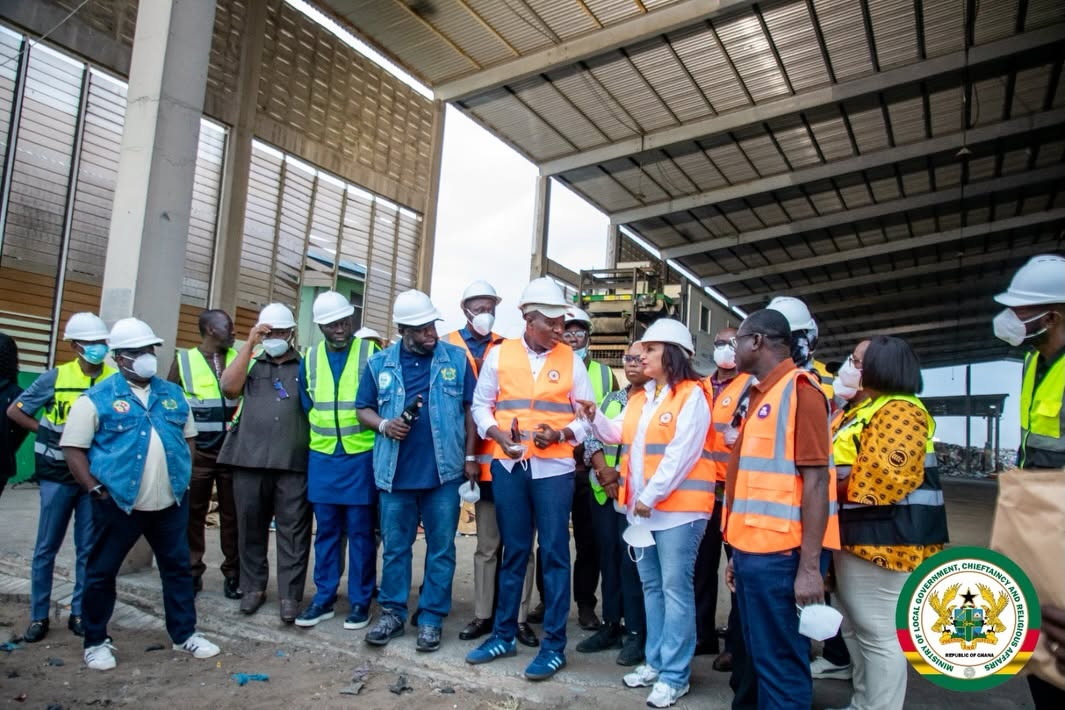
“This morning I was at my first office, which is the waste management sites of Accra, and I said that it is my first office and I take that very seriously,” he said.
“My first office is a dumpsite across the city, and every day, every week, every month, I will be spending more time at those sites than in the office here,” he added.
Mr Ayariga disclosed that he began his first inspection as early as 3 a.m., taking officials around the city to assess how waste management was being handled.
He described keeping cities clean as “the most basic thing” government could do for citizens, stressing that residents deserved clean surroundings, functioning drains and good roads.
“It’s not rocket science. Cleaning a city is the most basic thing that you can do for the citizens of that city,” he said.
The Minister said his approach would require both government and residents to play their respective roles, with Metropolitan, Municipal and District Assemblies (MMDAs) held accountable for delivering services while residents fulfilled their obligation to pay for those services.
He also linked sanitation to effective local revenue mobilisation, arguing that assemblies could improve their services if they properly collected property rates, market tolls, business licences and other locally generated revenues.
Mr Ayariga said an efficiently organised waste-management system could ultimately reduce the cost of services to residents, citing his assessment that waste collection charges could potentially fall from about GH¢300 to GH¢150 if residents paid and the system was properly organised.
He said sanitation should not be a partisan issue because poor environmental conditions affect everyone.
“If there is filth in the neighbourhood, if you are NDC man, you live in that filth. If you are NPP man, you live in that filth,” he said.
Mr Ayariga appealed for the support of the media, civil society, religious organisations and traditional authorities in the drive to transform Ghana’s cities.
He said his objective was to make Ghana an example for Africa in urban management and cleanliness, insisting that keeping cities clean should be regarded as a basic responsibility of government rather than a major political achievement.
The Minister also pledged to build on the work of Mr Ibrahim, assuring him of continued collaboration as he takes forward the Ministry’s mandate.
He said his broader responsibility was to make decentralisation meaningful to ordinary citizens by ensuring that MMDAs became more accountable, financially disciplined and responsive to the needs of their communities.
By: Christian Kpesese/NR News