


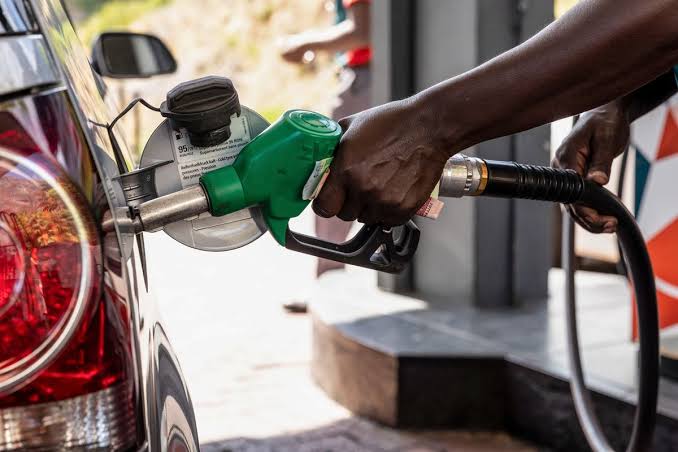
Ghanaians could soon enjoy some relief at the fuel pumps following a sharp decline in global crude oil prices after reports of a peace agreement between the United States and Iran.
Oil prices tumbled in Asian trading on Monday after Pakistan, which has been facilitating diplomatic efforts between Washington and Tehran, announced a breakthrough agreement that would see the reopening of the strategically important Strait of Hormuz.
The development was further amplified by former U.S. President Donald Trump, who indicated on social media that the deal would allow the free flow of oil through the critical shipping route.
Brent crude, the international benchmark for oil prices, fell by about 4.8 per cent to $83.18 per barrel, while U.S. West Texas Intermediate dropped by 5.6 per cent to $80.13 per barrel.
The decline has raised expectations that Ghana’s fuel import bill could ease, potentially paving the way for a reduction in local fuel prices during the next pricing window, subject to decisions by oil marketing companies.
Pakistan’s Prime Minister, Shehbaz Sharif, announced that a formal signing ceremony for the agreement is scheduled for Friday, June 19, in Switzerland. Iran’s Deputy Foreign Minister, Kazem Gharibabadi, has also confirmed that a deal with the United States has been finalised.
Despite the optimism, energy analysts have warned that uncertainty surrounding the implementation of the agreement could keep oil markets volatile in the short term.
Analyst Vandana Hari of Vanda Insights said the absence of detailed information on the deal could continue to fuel market uncertainty and trigger price fluctuations in the coming days.
The Strait of Hormuz, one of the world’s most critical energy corridors, had experienced significant disruptions following heightened tensions involving the United States and Israel earlier this year. The waterway accounts for roughly 20 per cent of global oil and liquefied natural gas shipments.
Industry experts caution that oil exports may not immediately return to normal even after the agreement takes effect. Energy consultant Andrew Lipow explained that maritime mines would need to be cleared and shipping backlogs addressed, a process that could take weeks or even months.
Global financial markets nevertheless responded positively to the easing tensions. Asian stock markets rallied strongly on Monday, with Japan’s Nikkei 225 gaining 5.4 per cent and South Korea’s Kospi advancing more than 5.5 per cent.
For Ghana, a country heavily dependent on imported petroleum products, the latest drop in international oil prices is being closely monitored as a potential source of relief for consumers and businesses already burdened by high transportation and energy costs.