


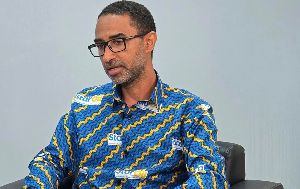
The Chief Executive Officer of Star Oil Company Limited, one of Ghana’s leading indigenous downstream petroleum companies, has advised motorists and the general public to postpone buying fuel unless it is absolutely necessary, citing the heightened risk of floodwater contaminating underground fuel storage tanks following hours of torrential rainfall.
In a public advisory shared on social media as heavy flooding affected parts of the country, Chief Executive, Philip Kwame Tieku said although Star Oil’s technical teams were closely monitoring fuel stations for any signs of water infiltration, consumers should exercise caution.
“Avoid buying fuel today if not urgent. Floods are a big risk for water entering fuel underground tanks. Our teams are constantly monitoring for water infiltration, but avoid filling up if you can,” he stated.
The caution comes as persistent rains triggered flooding across several communities, submerging roads, disrupting traffic, and affecting businesses in parts of Accra and other urban centres.
Industry experts explain that during severe flooding, water can seep into underground fuel storage systems through damaged seals, vents or compromised infrastructure. Fuel contaminated with water can lead to engine misfires, corrosion of fuel system components, reduced engine performance and, in severe cases, costly mechanical damage.
While modern filling stations are designed with safety measures to minimise such risks, operators often conduct routine water-detection tests during and after heavy rains to ensure fuel quality before dispensing products to customers.
Star Oil assured the public that its engineering and operations teams had intensified monitoring across its network of service stations to safeguard product integrity and protect consumers.
The advisory has since attracted widespread attention on social media, with many motorists commending the company’s proactive approach to public safety amid the worsening weather conditions.
Ghana has in recent years experienced recurring floods during the major rainy season, particularly in low-lying areas of the capital. Urbanisation, inadequate drainage infrastructure and indiscriminate disposal of waste into drains have been identified as key contributors to the perennial flooding.
The recurring floods have not only displaced residents and destroyed property but have also disrupted transportation, commercial activities and critical public services. Authorities have consistently urged the public to avoid flooded roads, stay away from storm drains and heed safety advisories until conditions improve.
With more rainfall forecast in some parts of the country, motorists have been encouraged to remain vigilant and patronise only fuel stations that have completed the necessary quality assurance checks before resuming normal operations.
By: Christian Kpesese