


In a bold proposal that could reshape Ghana’s approach to both waste management and energy generation, Sunon Asogli Power Ghana limited says it is preparing to generate up to 40 megawatts of electricity from municipal waste — without relying on government subsidies.
The company says the waste-to-energy project, now under discussion with government, could deliver dispatchable power to the national grid while tackling sanitation challenges and creating jobs.
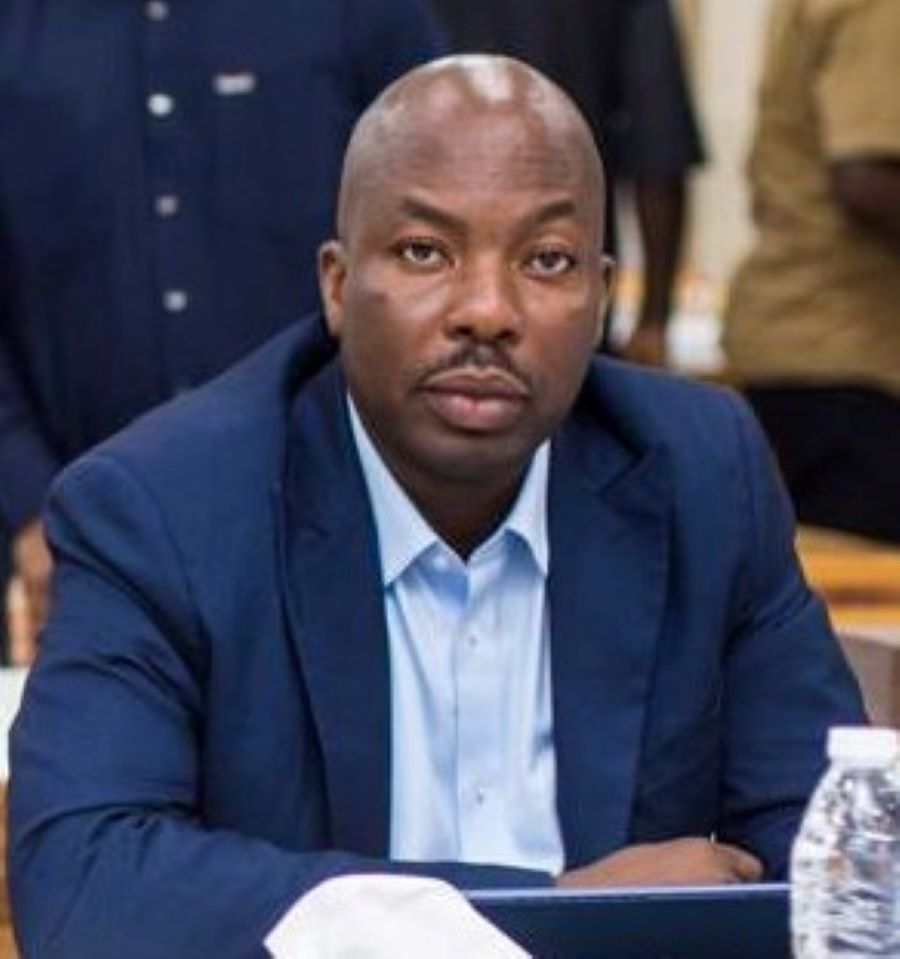
Business Development Manager of Sunon Asogli, Dr. Elikplim Kwabla Apetorgbor, disclosed the plan during a working visit by Parliament’s Select Committee on Energy to the company’s facilities in Tema.
He said the company has already submitted a formal proposal to Vice President Naana Jane Opoku-Agyemang and engaged the Minister for Local Government, Chieftaincy and Religious Affairs, Ahmed Ibrahim, with discussions progressing toward the signing of a Memorandum of Understanding and an agreement of cooperation to address the national concern.
“This is a national concern, and we have proposed a partnership that does not depend on the state for subsidy,” Dr. Apetorgbor said. “We are willing to process the waste and generate power at no cost to government.”
He said feasibility assessments indicate Ghana could generate between 30 and 40 megawatts of electricity from available waste streams, adding a new and reliable source of power while significantly reducing waste volumes.
Unlike traditional landfill systems, which he described as outdated and wasteful, the proposed model would channel refuse directly into a power generation facility where it would be converted into electricity.
“The waste we complain about can be turned into money and power,” he said, arguing that landfills consume valuable urban land that could otherwise support housing, industry and other productive uses.
Beyond power generation, he said the project would support cleaner cities, boost circular economy opportunities and create employment, especially for young people.
The proposal forms part of a broader green transition strategy by Sunon Asogli, which is also advancing investments in solar-powered electric vehicle charging infrastructure and EV deployment in Ghana.
Dr. Apetorgbor said the company is developing solar-integrated charging stations that could be deployed across districts to support electric mobility, with prototype facilities and demonstration centres expected to expand in the coming months.
The integrated clean energy push drew strong interest from Parliament’s Energy Committee during the visit, as lawmakers explored the company’s growing role beyond thermal power generation.
The waste-to-energy proposal is particularly significant at a time Ghana is grappling with persistent sanitation challenges and seeking innovative pathways to strengthen energy security without adding fiscal pressure.
If implemented, the project would mark a major shift — turning one of the country’s most stubborn environmental burdens into a source of electricity, jobs and urban renewal.
According to Sunon Asogli, Ghana’s waste problem could become part of its energy solution.
By: Christian Kpesese/www.naturalresourcesnews.com