


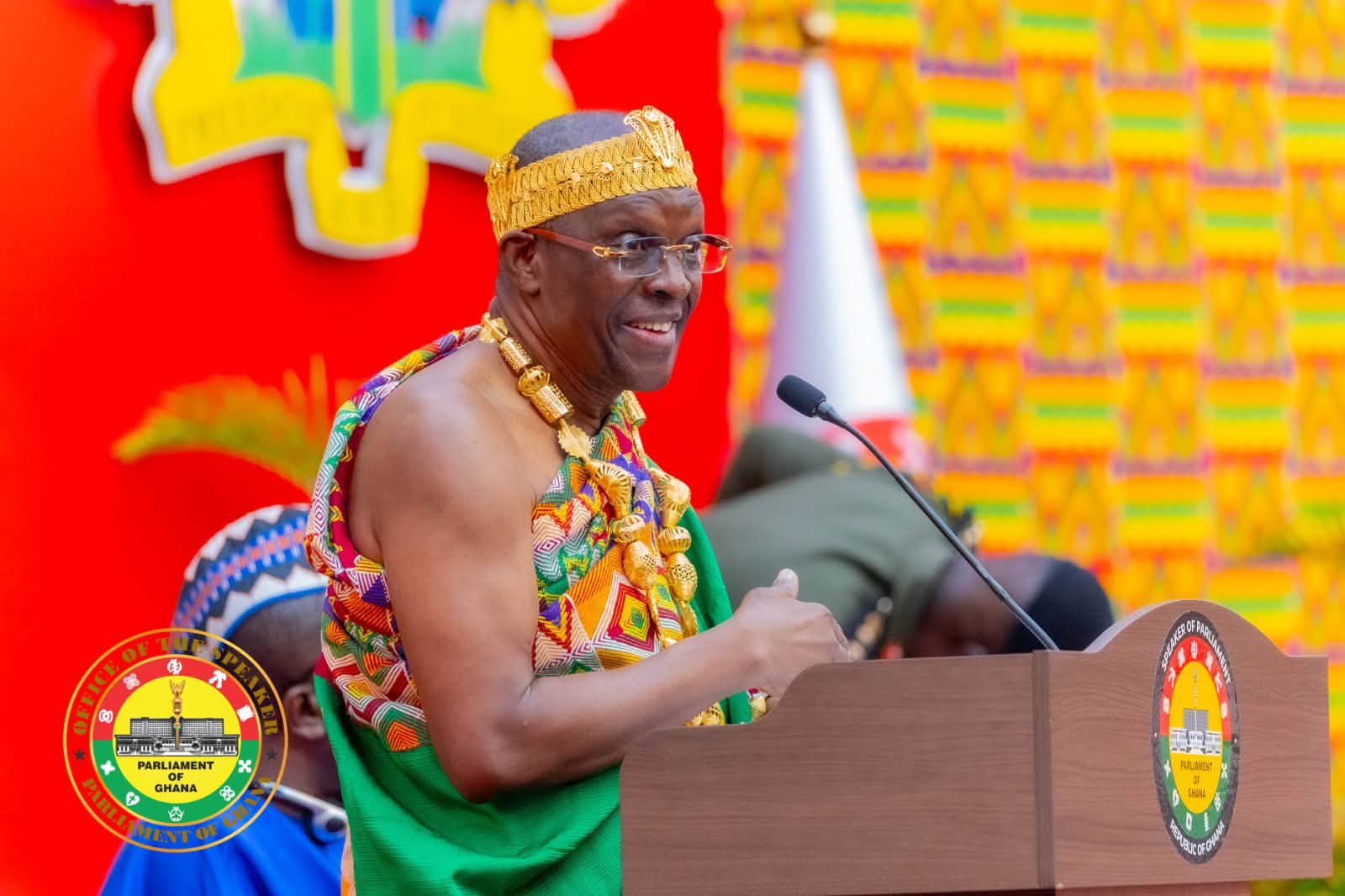
The Speaker of Parliament, Rt. Hon. Alban Sumana Kingsford Bagbin, has called on African lawmakers to champion policies and legislation that protect family values, preserve cultural identity and strengthen the sovereignty of their nations, as the 4th African Inter-Parliamentary Conference on Family, Sovereignty and Values opened in Accra.
Addressing parliamentarians, policymakers, traditional leaders, religious figures and civil society representatives from across the continent, Mr. Bagbin described the gathering as a crucial moment for Africa to reaffirm its identity and chart its own development path in an increasingly globalised world.
He noted that while political independence had been achieved by many African nations, the continent’s quest for true freedom must also include the restoration and protection of its cultural, intellectual and institutional autonomy.
According to the Speaker, the African family remains the foundation upon which strong societies and sovereign states are built. He emphasized that legislators have a responsibility to ensure that laws, policies and budgets reflect the realities and values of the people they serve.
“True sovereignty does not begin at our national borders or within legislative chambers; it is born, nurtured and sustained in the smallest unit of governance on earth—the African family,” he said.
Mr. Bagbin urged African parliaments to remain faithful to their constitutional mandates by enacting laws that preserve traditional values while balancing them with modern development needs.
He expressed concern over what he described as increasing attempts to attach conditions to development assistance, trade agreements and international cooperation arrangements that require countries to adopt legal and cultural frameworks that do not reflect their socio-cultural realities.
“A law that does not resonate with the spirit, history and moral conscience of the citizenry is a dead law,” he stated, insisting that African lawmakers must remain accountable to the people who elected them.
The Speaker also challenged delegates to embrace a broader understanding of the African family, describing it as an extensive network of intergenerational relationships and shared responsibilities that has historically served as the continent’s most effective social safety net.
He warned, however, that economic hardship, migration, educational challenges and the growing influence of digital platforms were placing significant strain on family structures across Africa.
To strengthen families, Mr. Bagbin called for practical interventions, including investments in affordable housing, child nutrition and maternal healthcare, as well as incentives for families caring for elderly relatives.
On the issue of human rights, he rejected the notion that African cultural values are incompatible with universal human rights principles, arguing that African societies have long upheld human dignity through traditions rooted in communal living and mutual respect.
He emphasized that defending family values should never be used to justify violence, oppression or discrimination and called for stronger laws to combat domestic violence, child labour and practices that undermine the rights and dignity of women and children.
The Speaker further advocated greater collaboration among African legislatures, saying no country could effectively defend its sovereignty in isolation. He urged regional parliamentary bodies to work together to develop common legal frameworks that reflect African realities.
Mr. Bagbin endorsed the proposed adoption of an African Family Values Charter, describing it as a significant step towards harmonising family protection laws and strengthening continental solidarity.
He urged delegates to ensure that resolutions adopted at the conference are translated into legislation, budgetary commitments and concrete actions that will benefit future generations.
The Speaker said Africa must demonstrate that economic advancement and technological progress can coexist with the preservation of its cultural heritage, family values and sovereign right to determine its own destiny.
By: Christian Kpesese