


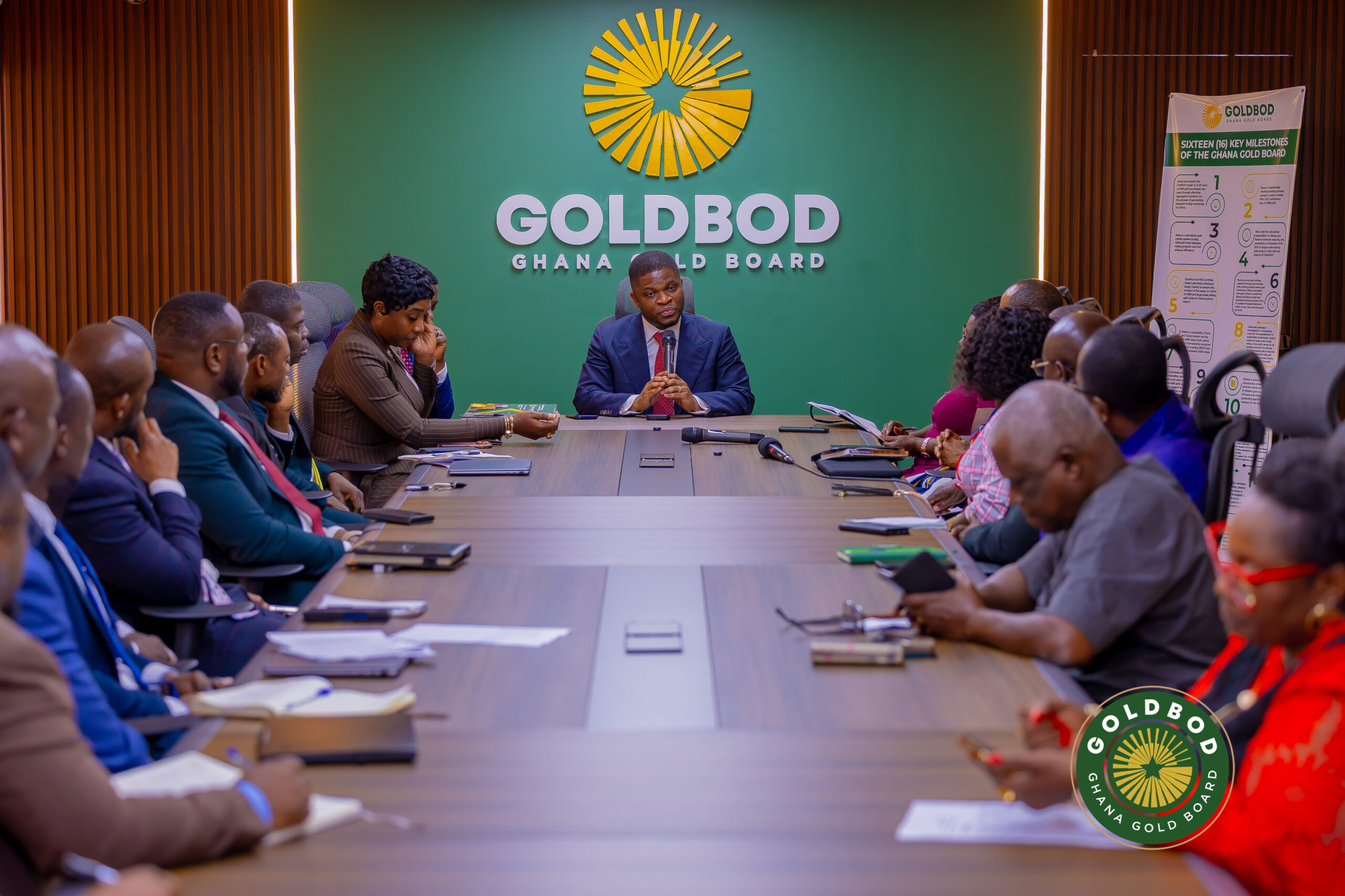
The Christian Council of Ghana has expressed optimism that responsible stewardship of Ghana’s natural resources can strengthen the country’s moral foundations while delivering lasting socio-economic benefits to its citizens.
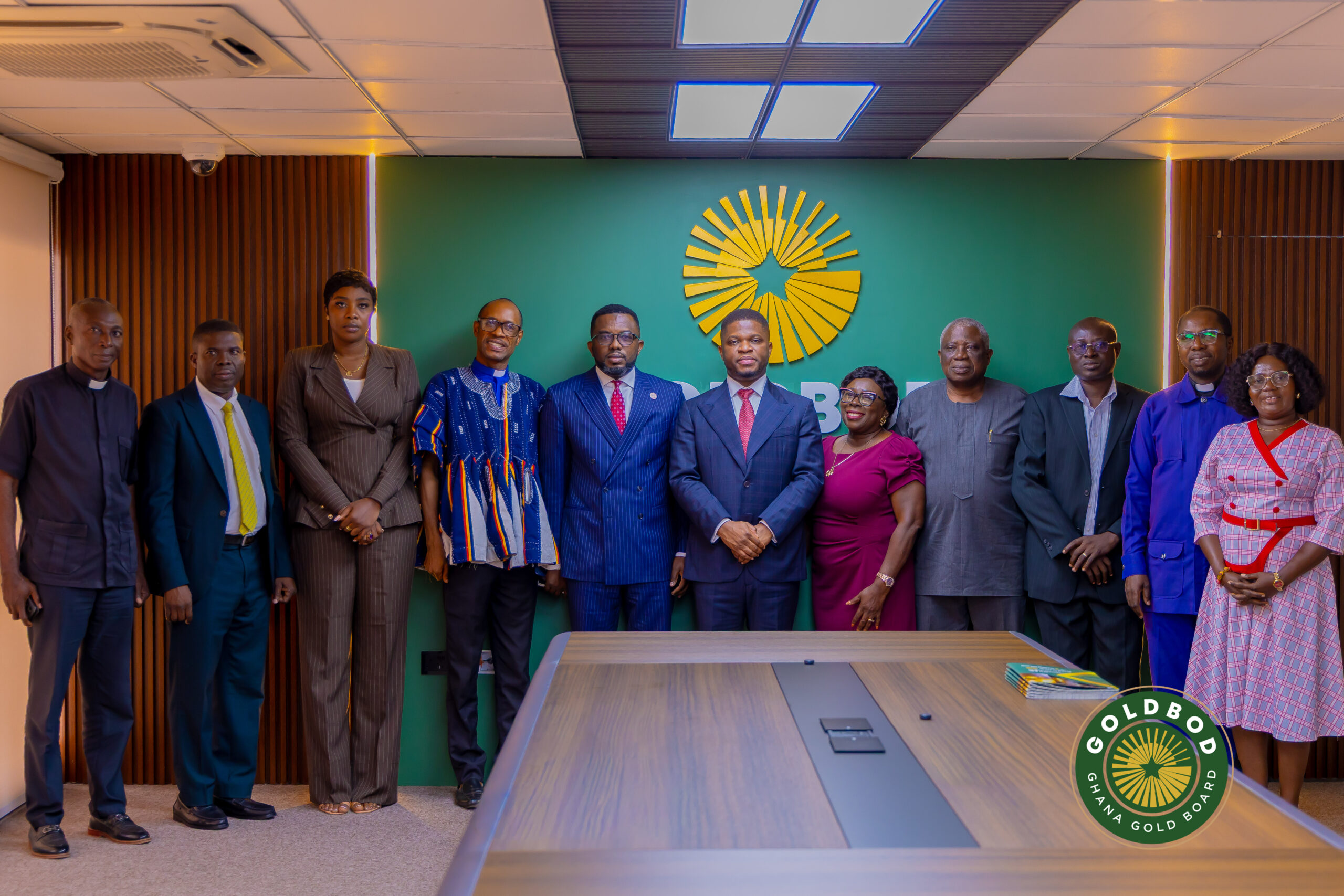 The Council made the call during a high-level working visit to the Ghana Gold Board (GoldBod) at its headquarters at the old Bank of Ghana building in Accra on Monday, September 7, 2026.
The delegation, led by the Council’s Director of Programmes and Advocacy, Dr. Joyce Laco Steiner, said Ghana’s mineral wealth must be managed with integrity, transparency and accountability to ensure that its benefits extend beyond immediate economic gains to improve the welfare of present and future generations.
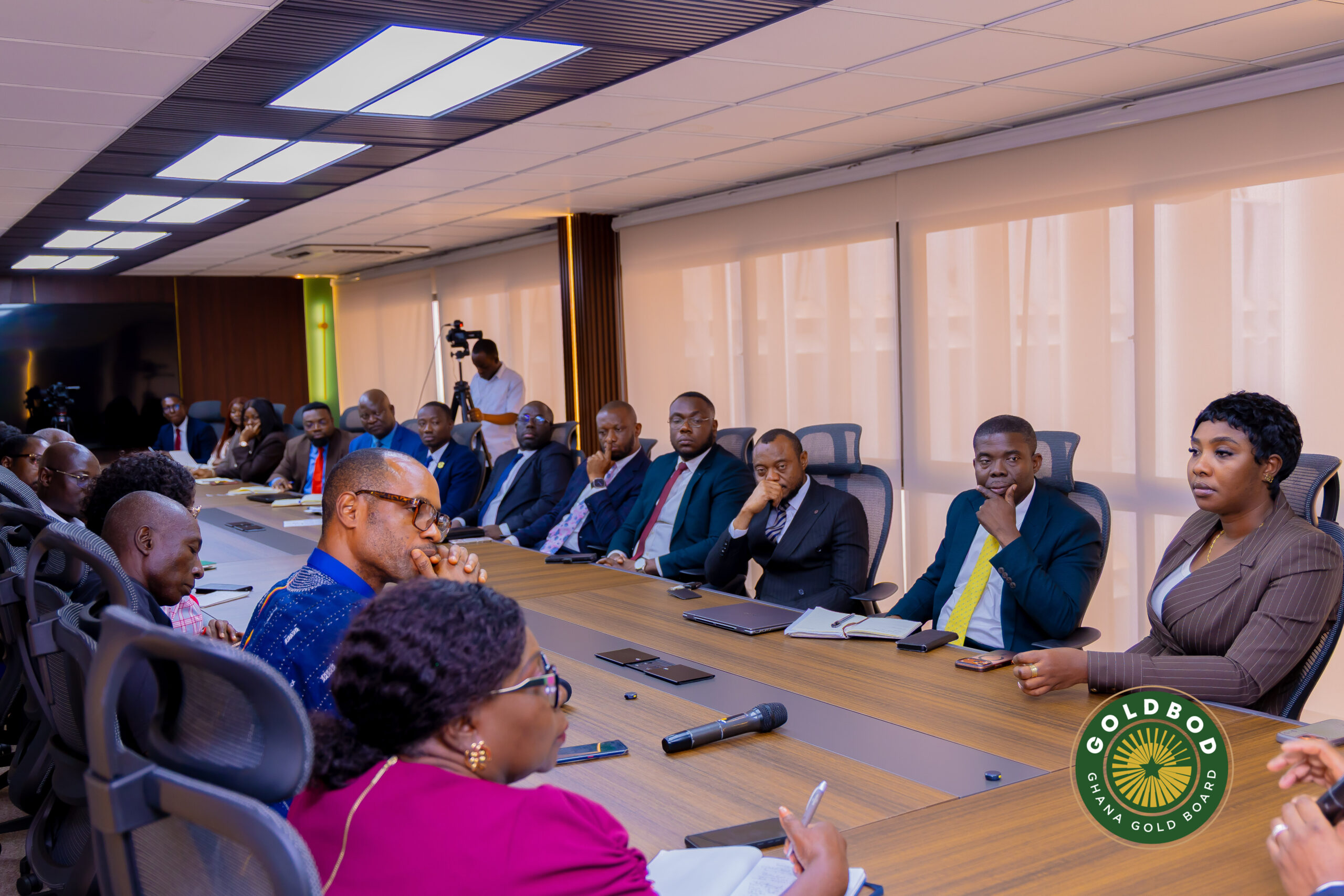 Dr. Steiner said the Council regards Ghana’s natural resources as a trust that carries both a civic and moral responsibility, stressing that the country’s mineral wealth should be managed in a manner that advances the common good.
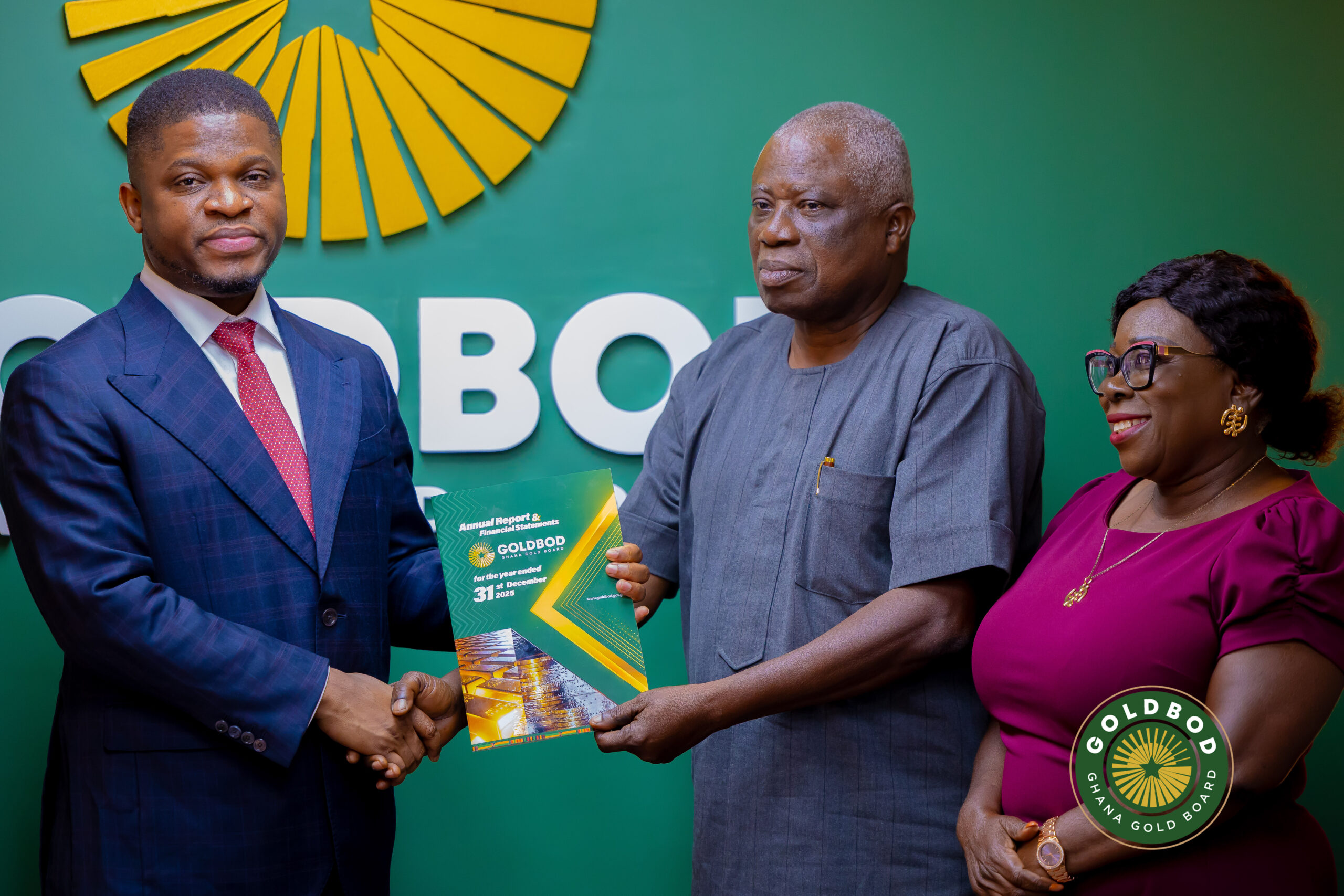
Drawing on Psalm 24, she noted that the earth and its resources ultimately belong to God and, therefore, those entrusted with managing them must exercise the highest standards of responsibility.
She said the Christian Council had been following public discussions surrounding GoldBod and considered it important to engage the institution directly to better understand its mandate, operations and approach to reforming Ghana’s gold sector.
The engagement, she explained, was intended to provide the Council with a clearer understanding of GoldBod’s work “from the horse’s mouth” and enable its future advocacy to be informed by facts rather than public narratives or partisan interpretations.
Dr. Steiner called for professionalism, neutrality and truthfulness in discussions about the gold sector, warning that public confidence in strategic national institutions could be weakened when legitimate governance issues become entangled in partisan contestation.
She also welcomed efforts to strengthen governance across the gold value chain, particularly measures aimed at improving traceability, curbing illicit gold trading and addressing the environmental consequences of irresponsible mining.
According to her, the Council was particularly interested in initiatives that protect mining communities, restore degraded lands and reduce pollution, arguing that economic development should not come at the expense of the environment or the wellbeing of citizens.
She assured GoldBod of the Council’s readiness to support initiatives that promote economic sovereignty, responsible resource governance and social transformation.
Responding to the delegation, GoldBod Chief Executive Officer, Sammy Gyamfi, outlined the rationale behind the establishment of the institution and the reforms being pursued to strengthen Ghana’s gold industry.
Mr. Gyamfi said weaknesses in previous arrangements, including limited regulatory powers and enforcement gaps across the gold value chain, contributed to revenue leakages and prevented the country from fully capturing the value of its mineral resources.
He explained that GoldBod was established to address those structural weaknesses by strengthening oversight of gold purchasing and trading and ensuring that activities within the sector operate within a clearly regulated framework.
The Chief Executive also highlighted efforts to improve the assessment of gold purity and quality, saying accurate valuation is critical to protecting national revenue and ensuring that Ghana receives fair value for its gold.
He further pointed to the importance of local value addition, stressing the need to move beyond the export of raw gold towards processing and other activities that create jobs, build domestic expertise and retain greater economic value within the country.
Mr. Gyamfi said the Board was equally focused on improving transparency and accountability within gold transactions while strengthening monitoring and compliance to reduce illicit activities.
He maintained that the institution’s mandate goes beyond regulation to creating a more sustainable gold industry in which economic value, environmental responsibility and national development can be pursued together.
The engagement ended with both sides expressing a shared commitment to responsible natural resource governance and stronger institutional cooperation.
For the Christian Council, the visit represented an opportunity to deepen its understanding of GoldBod’s mandate while positioning the Council to contribute more effectively to national conversations on ethical leadership, environmental protection and responsible management of Ghana’s mineral wealth.
The Council’s position underscores a broader message: Ghana’s natural resources should not merely generate revenue, but must ultimately translate into improved livelihoods, environmental protection and a stronger social and economic future for its people.
By: Christian Kpesese