


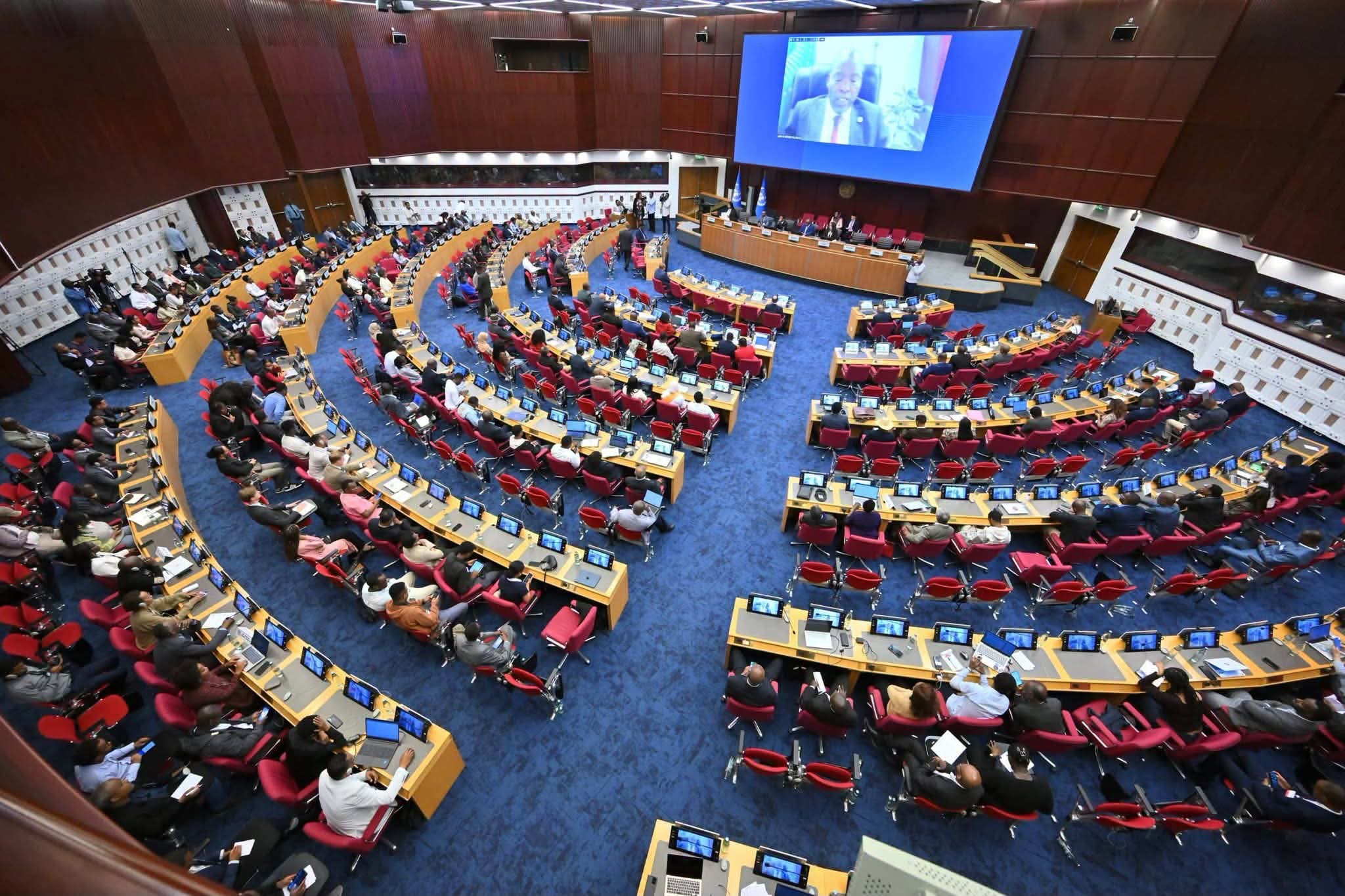
The Pan-African Parliament (PAP) is calling for stronger parliamentary leadership across Africa to turn the continent’s climate commitments into concrete laws, budgets and development programmes capable of delivering resilience on the ground.
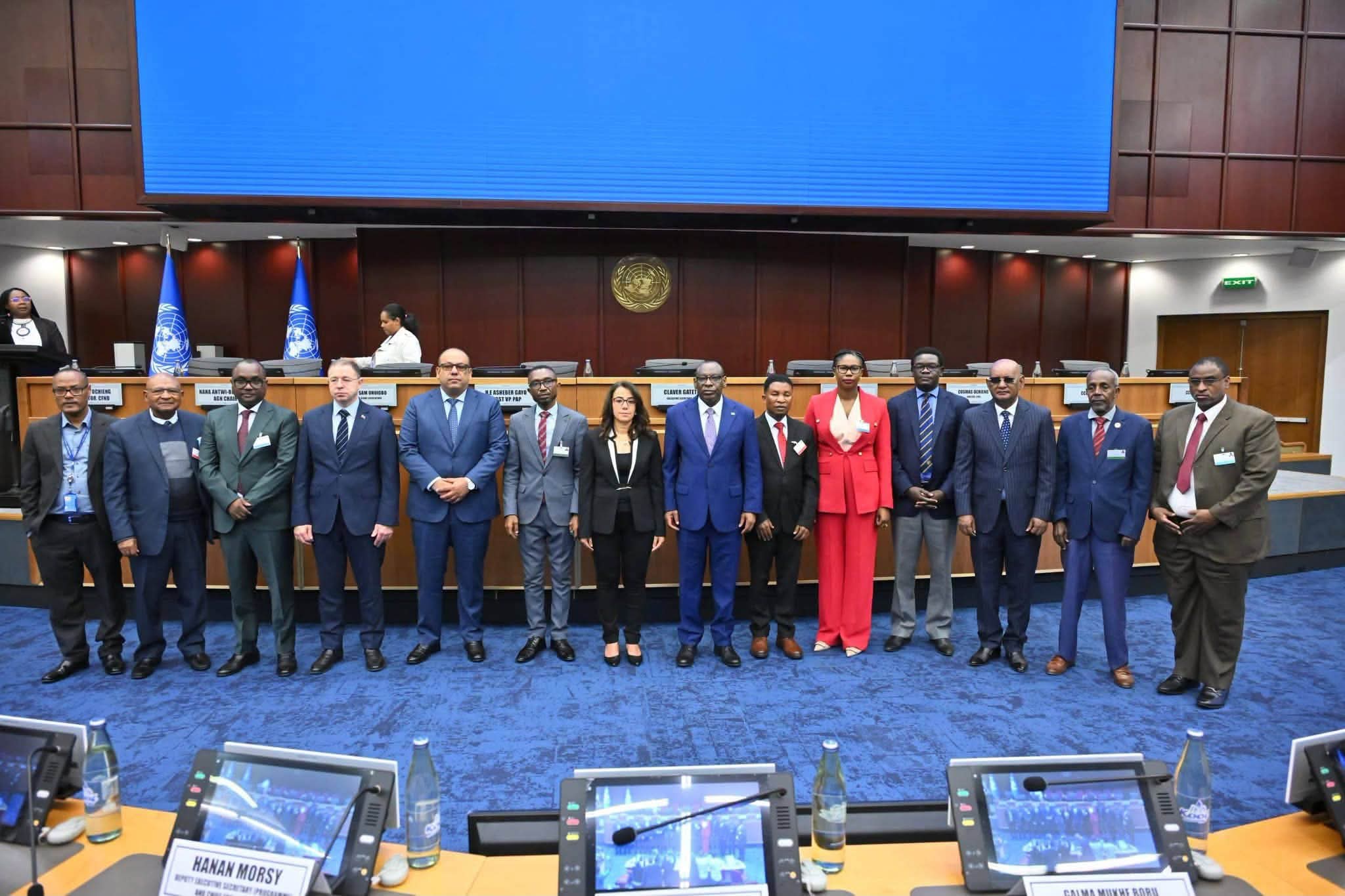
The call was made at the Fourteenth Conference on Climate Change and Development in Africa, underway in Addis Ababa, Ethiopia, from September 7 to 9, 2026, where African policymakers, climate negotiators, parliamentarians, development partners and experts are examining how to move from climate pledges to implementation.
Held under the theme, “From Pledges to Implementation: The Belém–Antalya–Addis Roadmap,” the conference is seeking to strengthen Africa’s coordinated climate action and strategic engagement ahead of COP31.
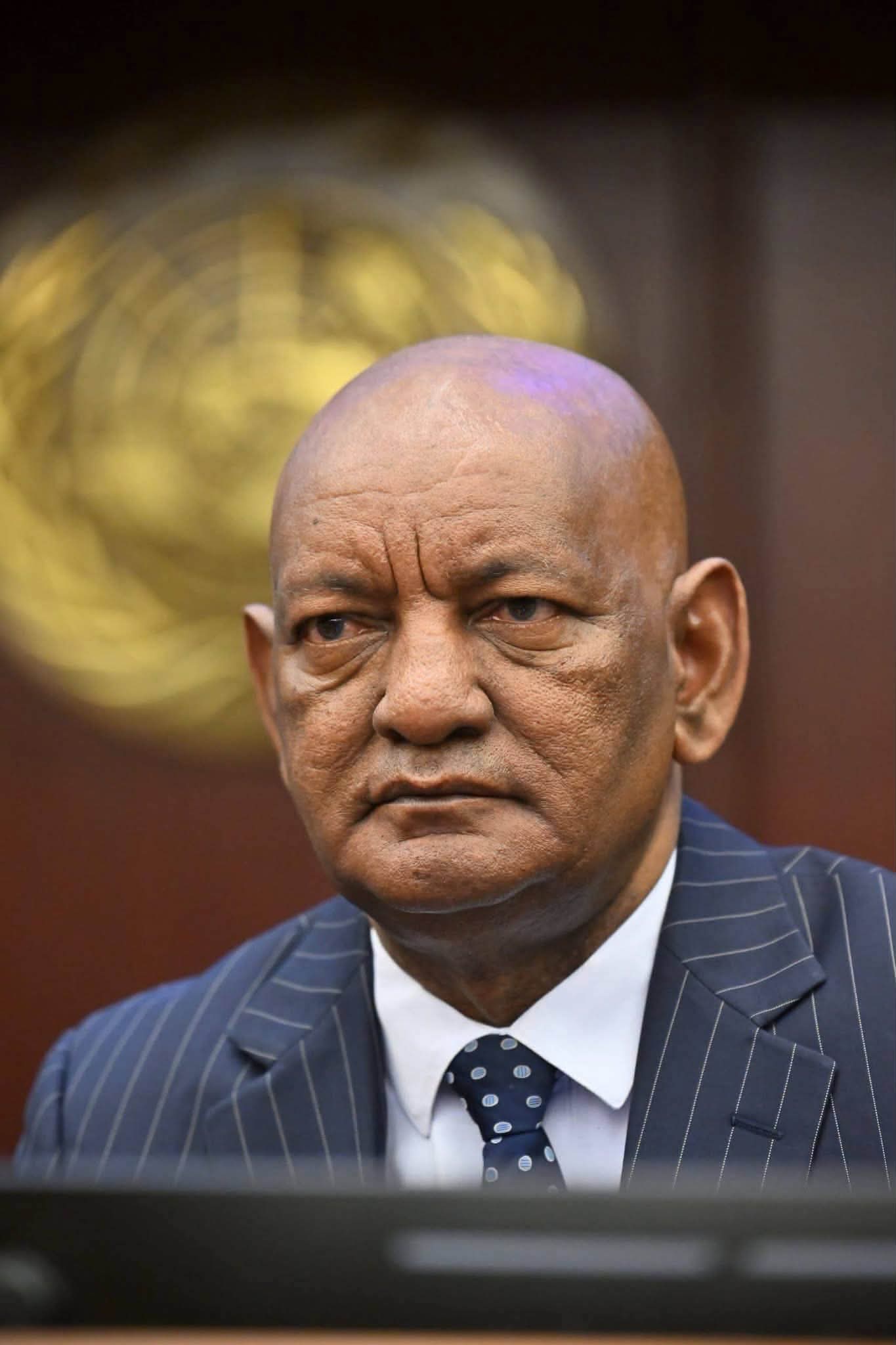
Leading the PAP delegation, First Vice-President, Hon. Dr. Ashebir Gayo, said African parliaments had a critical role to play in closing the gap between international climate commitments and action at the national level.
Speaking during a session on “From Climate Priorities to Climate Agency: What Would Africa’s Climate Leadership in Global Climate Governance Actually Mean?”, Dr. Gayo said parliamentarians must ensure that climate commitments are translated into legislation, national budgets, programmes and effective implementation.
He argued that Africa must move beyond merely participating in global climate negotiations to exercising greater climate agency by developing solutions that reflect the continent’s own circumstances, development priorities and aspirations.
According to him, parliaments are strategically positioned to provide the legislative backing, oversight and accountability required to make climate policies work.
Dr. Gayo cited the PAP’s Model Law on Climate Change as a key instrument developed to support African Union member states in strengthening their domestic climate legislation and translating regional and international commitments into national action.
The Model Law covers critical areas including climate governance and planning, mitigation, adaptation and resilience, loss and damage, climate finance, climate-induced displacement, carbon markets, climate information and data governance, regional cooperation, compliance, access to justice and public participation.
The PAP First Vice-President further stressed that Africa’s climate agenda could not be pursued in isolation from the continent’s wider development challenges, particularly food security, agriculture, land degradation, biodiversity and natural-resource management.
He pointed to the PAP Model Law on Food and Nutrition Security in Africa, adopted in 2022, and the Model Law on Sustainable Soil Management in Africa as complementary legislative frameworks capable of strengthening climate resilience and supporting sustainable livelihoods.
“Climate resilience cannot be separated from food systems, land, water and natural-resource governance,” the parliamentary perspective emphasised.
Dr. Gayo also called for accessible, affordable and predictable climate finance, describing financing as a critical enabler of Africa’s transition from climate commitments to measurable action.
He said stronger institutions, parliamentary oversight and accountability were equally necessary to ensure that climate resources and policies produced tangible results for African communities.
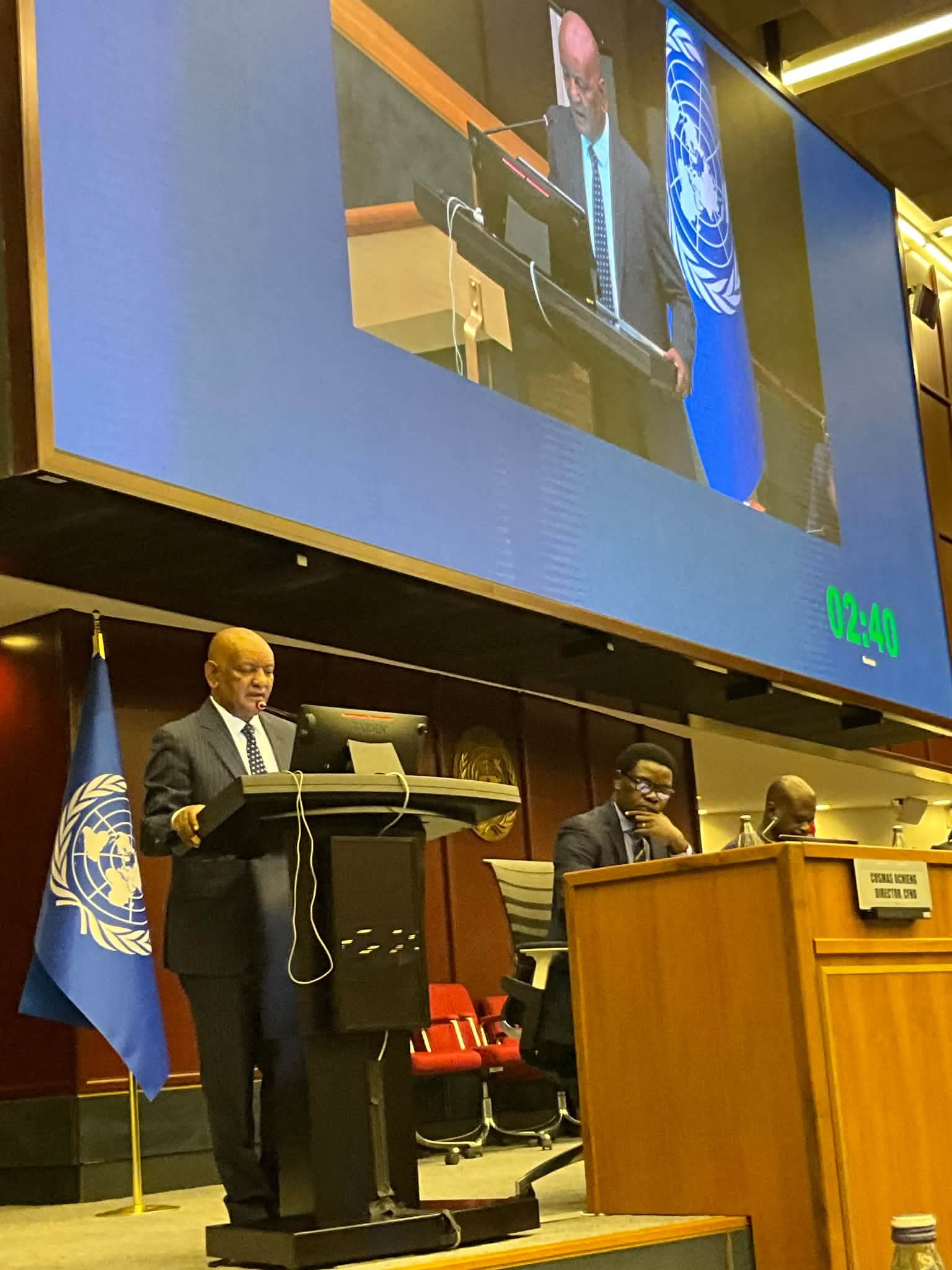
He consequently urged greater cooperation among African legislatures and international parliamentary networks to share legislative experience and develop practical responses to climate-related challenges.
Such cooperation, he said, should focus on areas including climate finance, resilient infrastructure, clean energy, agricultural transformation, natural-resource governance and economic resilience.
The PAP delegation to the Addis Ababa conference includes Hon. Abdallah Barkat, a member of the PAP Committee on Rural Economy, Agriculture, Environment and Natural Resources, alongside technical staff from the PAP Secretariat.
The parliamentary push comes as African countries seek to strengthen their collective climate response and ensure that commitments made at international climate forums translate into policies and investments capable of addressing the continent’s growing climate vulnerabilities.
By: NR NEWS