


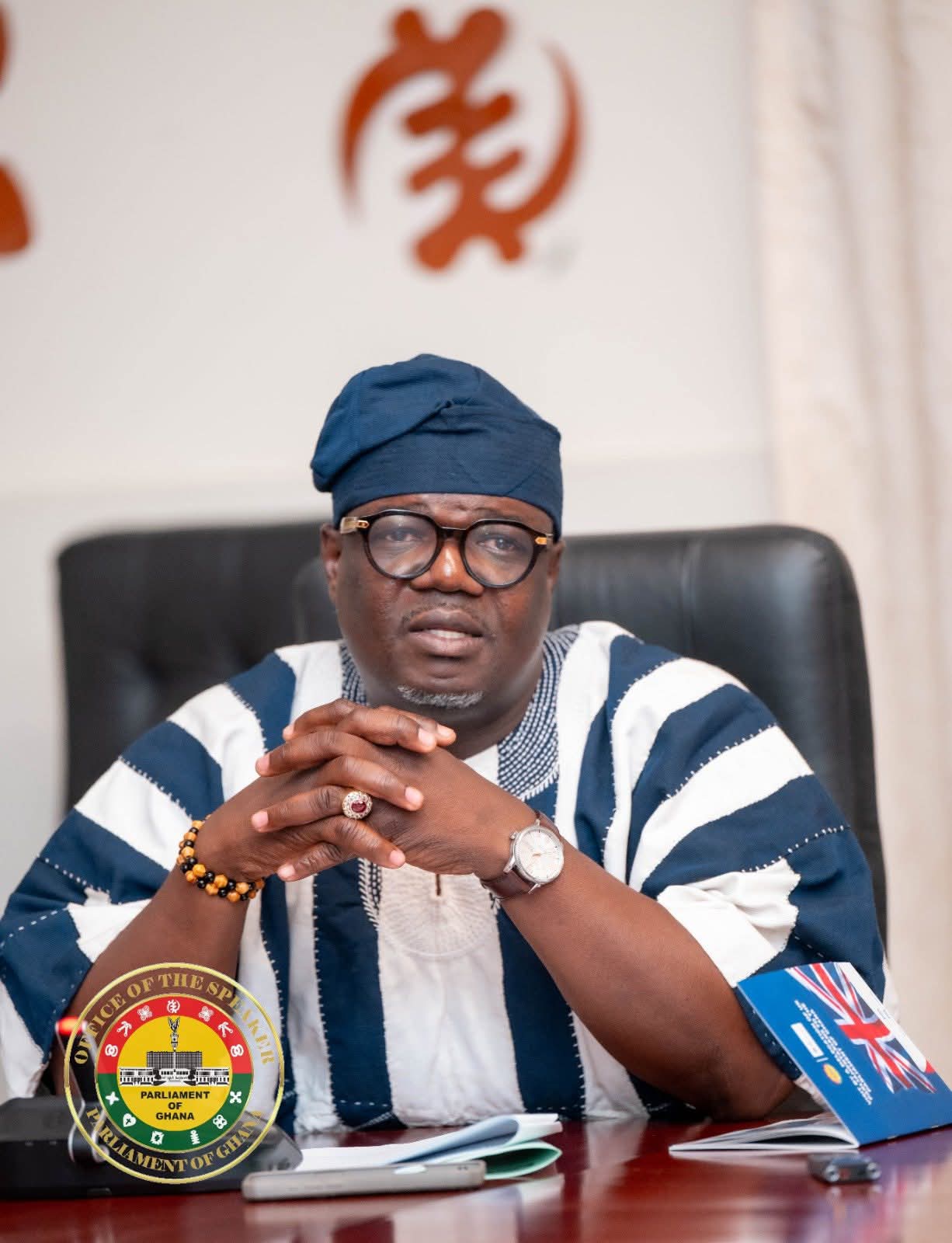
Ghana’s Parliament has unanimously backed a call for urgent continental action to address the resurgence of xenophobic attacks in South Africa, with Majority Chief Whip and Member of Parliament for South Dayi, Rockson-Nelson Etse Kwami Dafeamekpor, proposing a six-point Pan-African response framework to protect African migrants and preserve the ideals of continental unity.
The call comes amid growing concerns over recent incidents in parts of South Africa, particularly Durban and KwaZulu-Natal, where reports and viral videos have shown groups stopping African nationals in public spaces, demanding identity documents, intimidating traders and forcing migrant-owned businesses to shut down.
Presenting a statement on the floor of Parliament on Tuesday June 16, 2026, Mr Dafeamekpor described the developments as a dangerous resurgence of organised hostility against fellow Africans under the guise of “community protection”, “clean-up operations” and “citizen enforcement”.
Lawmakers across the political divide backed the call, emphasising that swift intervention was necessary to prevent retaliatory attacks in other African countries and to safeguard decades of Pan-African integration efforts.
Mr Dafeamekpor warned that Africa could not afford to remain silent while fellow Africans were subjected to violence, intimidation and discrimination within their own continent.
“No private citizen has the authority to become an immigration officer. No mob has the constitutional right to decide who belongs in Africa. No African should be hunted in another African state because of an accent, nationality, surname or occupation,” he stated.
He reminded Parliament that many African countries, including Ghana, played significant roles in supporting South Africa’s liberation struggle during apartheid through diplomatic, financial and moral assistance.
“It is therefore painful that Africans who once marched for South African freedom are today living in fear within South Africa,” he said.
The South Dayi legislator further argued that South Africa’s international reputation as a defender of human rights risks being undermined if xenophobic violence against fellow Africans is tolerated domestically.
According to him, human rights cannot be defended selectively, adding that a country cannot condemn dehumanisation abroad while allowing it to flourish at home.
He also pointed to Ghana’s longstanding economic relationship with South Africa, noting that several South African companies continue to operate successfully in Ghana without facing hostility because of their nationality.
He said Ghana’s welcoming investment climate exemplifies the Africa envisioned by the continent’s founding leaders—one where cooperation replaces suspicion and prosperity is shared rather than weaponised.
At the heart of Mr Dafeamekpor’s intervention was a six-point Pan-African action plan aimed at addressing both the immediate crisis and its underlying causes.
The proposals include the adoption of a formal Pan-African Parliament resolution condemning xenophobic violence anywhere on the continent and the immediate investigation and prosecution of individuals and groups involved in unlawful assaults, intimidation, looting and hate-driven vigilantism in South Africa.
He also called for stronger protection mechanisms for African migrants, traders, refugees, students and workers living across member states.
Another key recommendation is the establishment of a continental early warning and response framework under the African Union Peace and Security architecture to identify and address xenophobic threats before they escalate.
Mr Dafeamekpor further advocated enhanced economic cooperation and youth employment programmes across Africa to tackle socioeconomic frustrations that often fuel anti-foreigner sentiments.
The final proposal seeks to reaffirm Pan-African solidarity, dignity and the principle that every African life matters equally, regardless of nationality.
He warned that Africa cannot champion free movement under Agenda 2063 while allowing fear and hostility to dictate the movement of African people across borders.
Invoking the legacies of Osagyefo Dr Kwame Nkrumah, Nelson Mandela, Thomas Sankara, Patrice Lumumba and Julius Nyerere, he said their vision was one of a united continent rather than an Africa divided by nationality.
“History is watching us. Future generations will ask whether Africa stood together when hatred rose within our own borders. Let our answer be courage over fear, unity over division, and justice over silence,” he concluded.
By: Christian Kpesese