


The New Patriotic Party (NPP) Minority Caucus in Parliament has accused the governing National Democratic Congress (NDC) administration of betraying Ghanaians through what it describes as relentless electricity tariff increases that have pushed power costs up by a cumulative 26.82 percent since 2025.
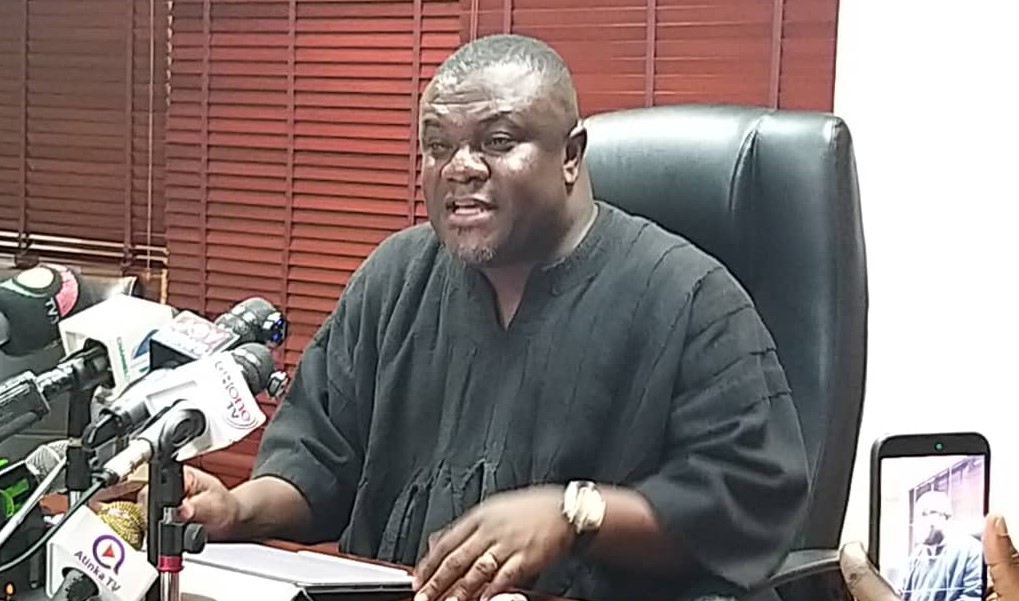
Addressing a press conference in Parliament on Thursday, June 25, Deputy Ranking Member on Parliament’s Energy Committee and Member of Parliament for Afigya Kwabre North, Collins Adomako-Mensah, said the latest 3.49 percent electricity tariff increase announced by the Public Utilities Regulatory Commission (PURC), effective July 1, 2026, underscores the government’s failure to fulfil its promise of easing the cost of living.
According to him, electricity consumers have endured a series of upward tariff adjustments since the NDC assumed office in January 2025, resulting in a cumulative increase of 26.82 percent despite assurances that utility costs would be reduced.
“Eighteen months into their tenure, Ghanaians are paying 26.82 percent more for electricity than they were when President Mahama took office. That is a broken promise,” he stated.
Mr. Adomako-Mensah argued that the government’s widely publicised 4.81 percent reduction in electricity tariffs in the second quarter of 2026 proved short-lived, lasting barely three months before being reversed by the latest increase.
He maintained that the reduction was not the result of any deliberate government intervention but rather a routine adjustment influenced by temporary improvements in macroeconomic indicators, including the appreciation of the cedi and easing inflation.
The Minority contends that the latest tariff review effectively wipes out the relief consumers briefly enjoyed and places additional pressure on households already grappling with rising living expenses.
Mr. Adomako-Mensah noted that while electricity tariffs have risen by more than a quarter over the period, workers received only a 10 percent wage increase, leaving many families struggling to cope with the growing cost of utilities.
The caucus further warned that increasing electricity costs could undermine efforts to stimulate economic growth and job creation under the government’s flagship 24-hour economy policy.
According to the Minority, manufacturers, processors and small businesses are operating under increasingly difficult conditions as recurring tariff hikes raise production costs and erode competitiveness.
Questioning the justification for the latest adjustment, Mr. Adomako-Mensah argued that the economic indicators cited by PURC do not adequately support a 3.49 percent increase.
He pointed out that the cedi depreciated by only 0.2 percent during the review period, while natural gas prices declined, insisting that consumers deserve a clear and transparent explanation of how the new tariff levels were determined.
The Minority also dismissed suggestions that the increases are linked to obligations under Ghana’s previous International Monetary Fund programme, arguing that the country has exited the arrangement and that current tariff decisions are solely the responsibility of the government.
As part of its demands, the caucus called on the government and PURC to publish the full basis for all tariff adjustments since January 2025, review the current multi-year tariff framework, and ensure that future increases are accompanied by measurable improvements in service delivery.
The Minority also cited persistent power supply challenges, prepaid meter concerns and billing irregularities as issues requiring urgent attention.
It pledged to continue scrutinising utility pricing decisions and demanding greater transparency and accountability from both government and regulators, insisting that Ghanaians deserve fair and evidence-based tariff regimes that reflect prevailing economic conditions.
By: Christian Kpesese