


The Member of Parliament for Amenfi Central, Hon. Joana Gyan Cudjoe, has called on African countries to adopt a pragmatic approach to infrastructure financing by taking calculated risks in accessing loans from China and grants from the European Union to bridge the continent’s widening infrastructure deficit.
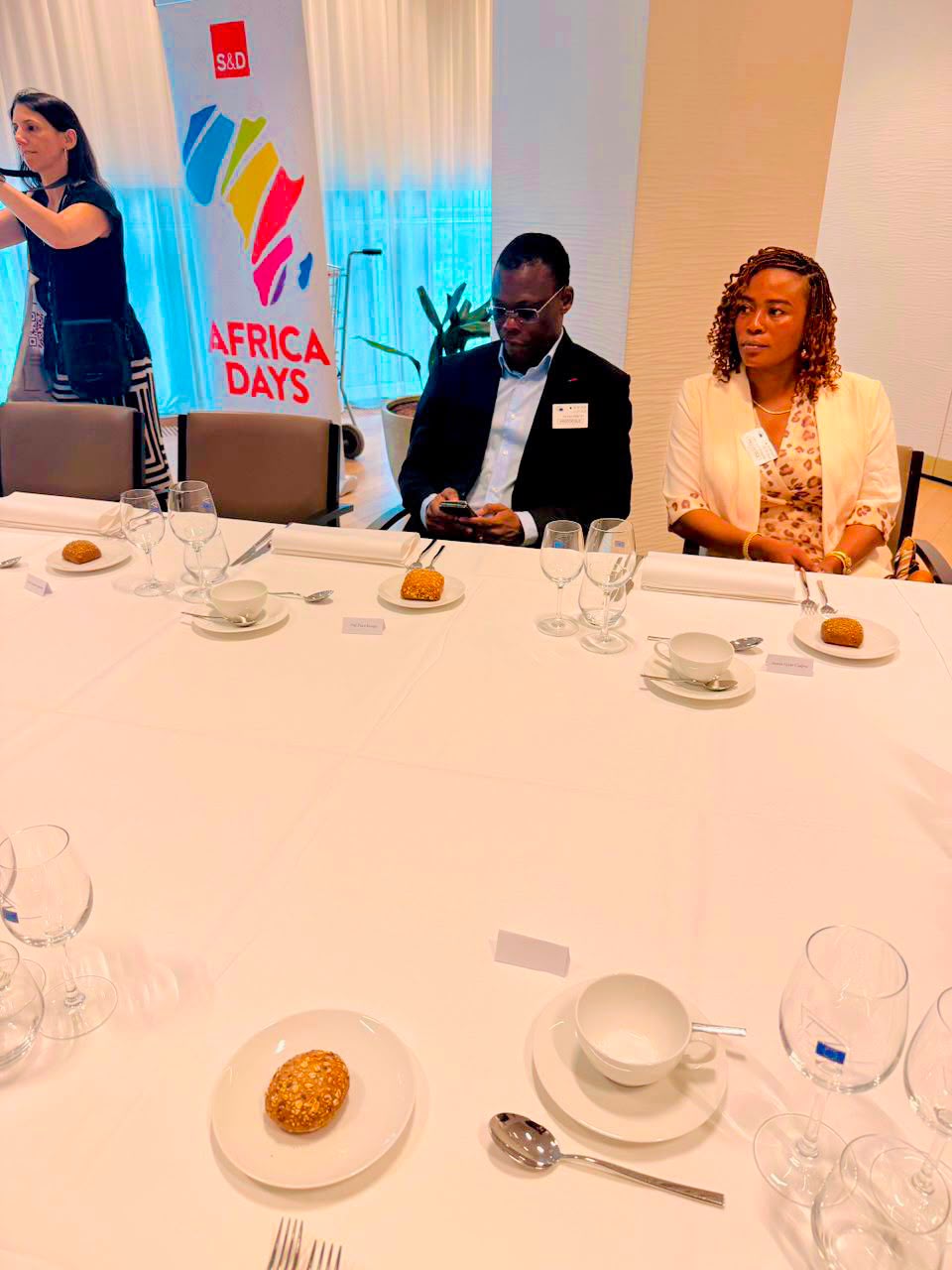
Speaking at the 2026 Africa Days forum in Brussels, Belgium, where she represented Ghana, the lawmaker said Africa could not afford to delay critical investments while waiting for what she described as “perfect” sources of funding.
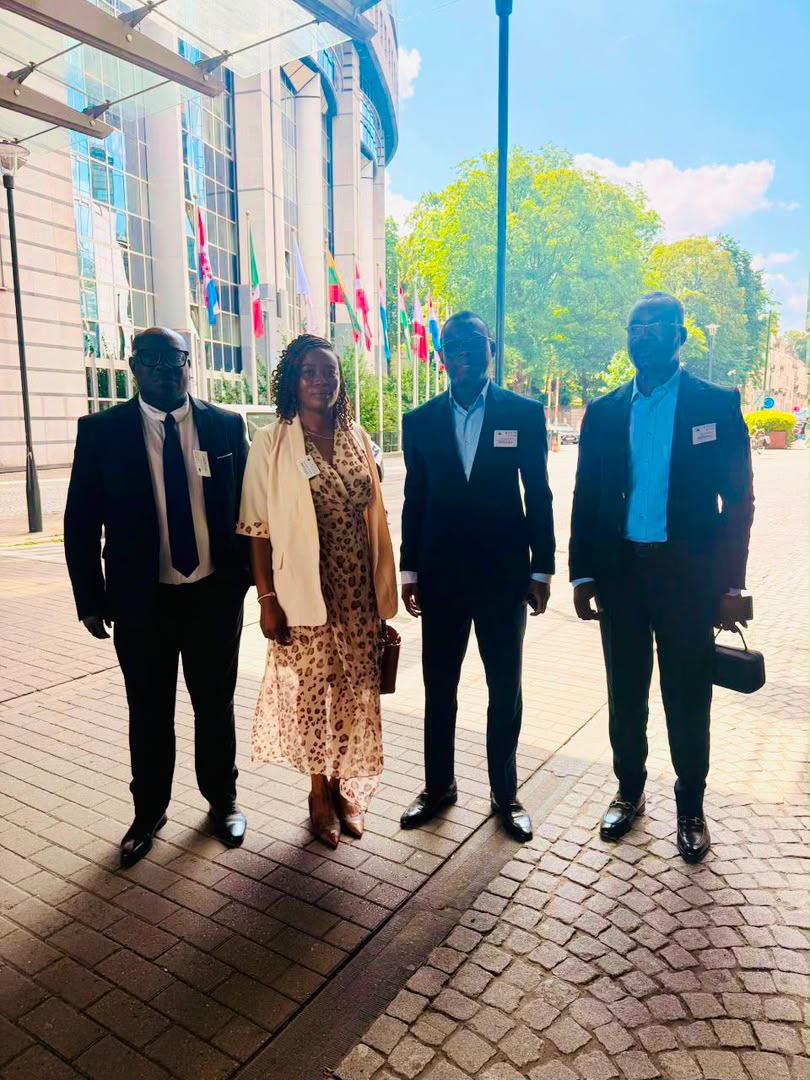
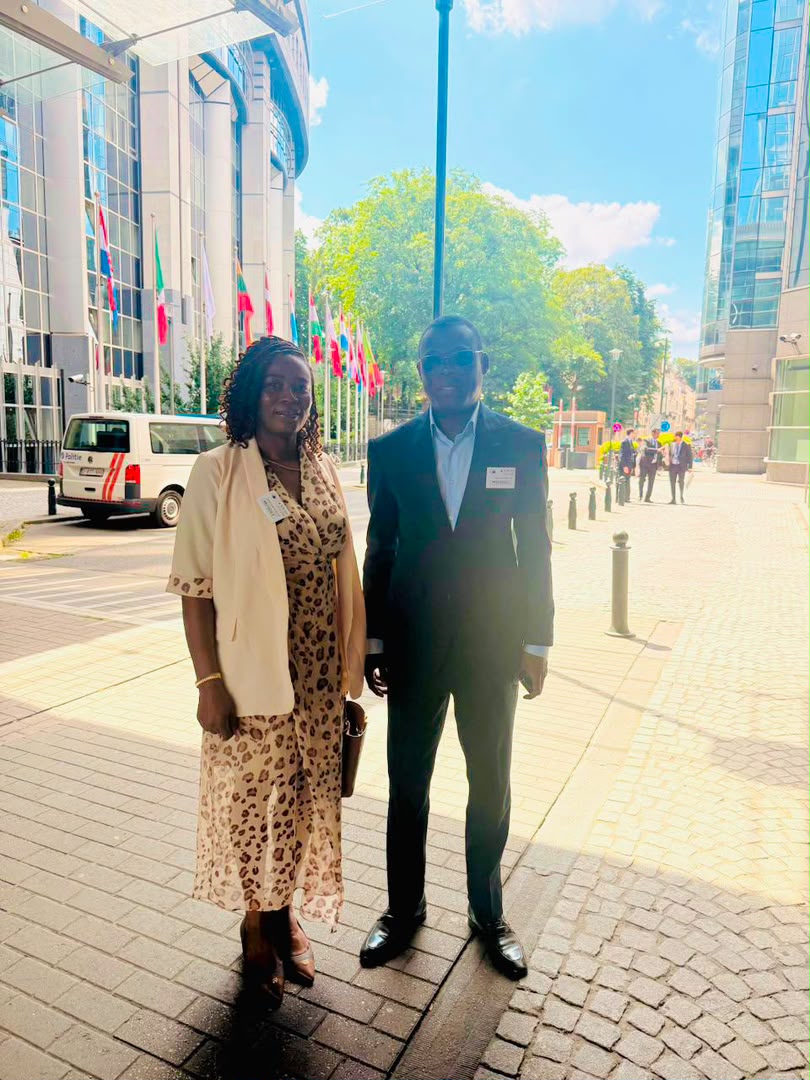
Hon. Cudjoe, who joined Ghana’s delegation alongside the General Secretary of the National Democratic Congress (NDC), Hon. Fifi Kwetey, made the remarks during a high-level session on “Financing Africa’s Infrastructure Gap.” The forum brought together African political leaders,
 European Union policymakers and development partners to discuss financing, trade, infrastructure and strategic partnerships for Africa’s development.
She emphasized that the continent’s growing demand for roads, railways, hospitals, energy and digital infrastructure required bold but responsible financing decisions.
“If we wait only for ‘perfect’ money, our roads, rail lines, hospitals and digital infrastructure will keep waiting too,” she said. “We should take calculated risks in accessing China loans where the terms support projects that create jobs and local value. At the same time, we must leverage EU grants and concessional funding for areas like green energy, health and education.”
The Amenfi Central MP maintained that the challenge was not avoiding risk altogether but managing it effectively through transparent negotiations, ensuring borrowed funds were tied to projects with measurable economic returns, while promoting technology transfer and local participation.
Drawing from her constituency’s development needs, she noted that strategic financing decisions could transform communities by improving connectivity, expanding markets and powering industries.
“For constituencies like mine in Ghana, the difference between a risk taken and an opportunity lost is a bridge built, a market connected, or a factory powered,” she told delegates.
Her intervention generated discussions among participants, many of whom agreed that African countries should diversify their sources of development financing while safeguarding debt sustainability and protecting their long-term economic interests.
The Africa Days forum concluded with renewed calls for stronger and more balanced partnerships between Africa and the European Union, with participants emphasizing sustainable investment, trade and infrastructure development as key drivers of the continent’s economic transformation.
Africa faces an estimated infrastructure financing gap of between $68 billion and $108 billion annually, according to the African Development Bank. Analysts have long argued that narrowing the deficit will require a combination of domestic resource mobilization, concessional financing, private sector investment and carefully structured external borrowing to support the continent’s development agenda.