


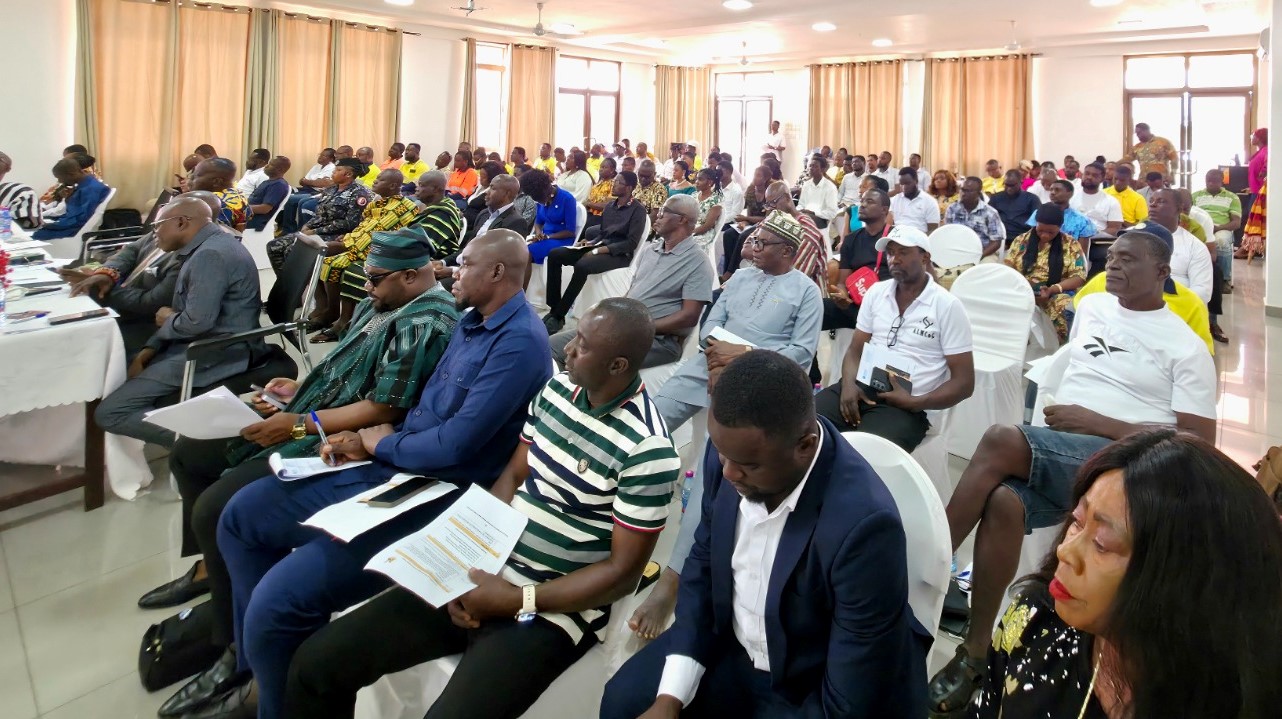
A quiet but consequential shift is taking shape in Ghana’s mining discourse, as stakeholders at the maiden Mining for Development Forum (MDF) in Goaso called for a decisive move away from royalty dependence toward building resilient local economies anchored in industry and innovation.
Rather than celebrating the billions generated from mineral extraction, speakers at the forum challenged a long-standing model that has left many mining communities economically exposed despite years of resource wealth.
Organised by the Ghana Chamber of Mines in partnership with Newmont Ghana and the University of Energy and Natural Resources (UENR), the forum held under the theme “Beyond Royalties: How Mining Communities Can Build Local Industries Around the Mine”—brought together a cross-section of government, traditional leaders, academia, and industry players.
At the heart of discussions was a stark reality: while Ghana’s mining sector generated over $51 billion in mineral revenues between 2014 and 2024, with more than 70 percent retained in-country, this wealth has not consistently translated into sustainable development at the community level.
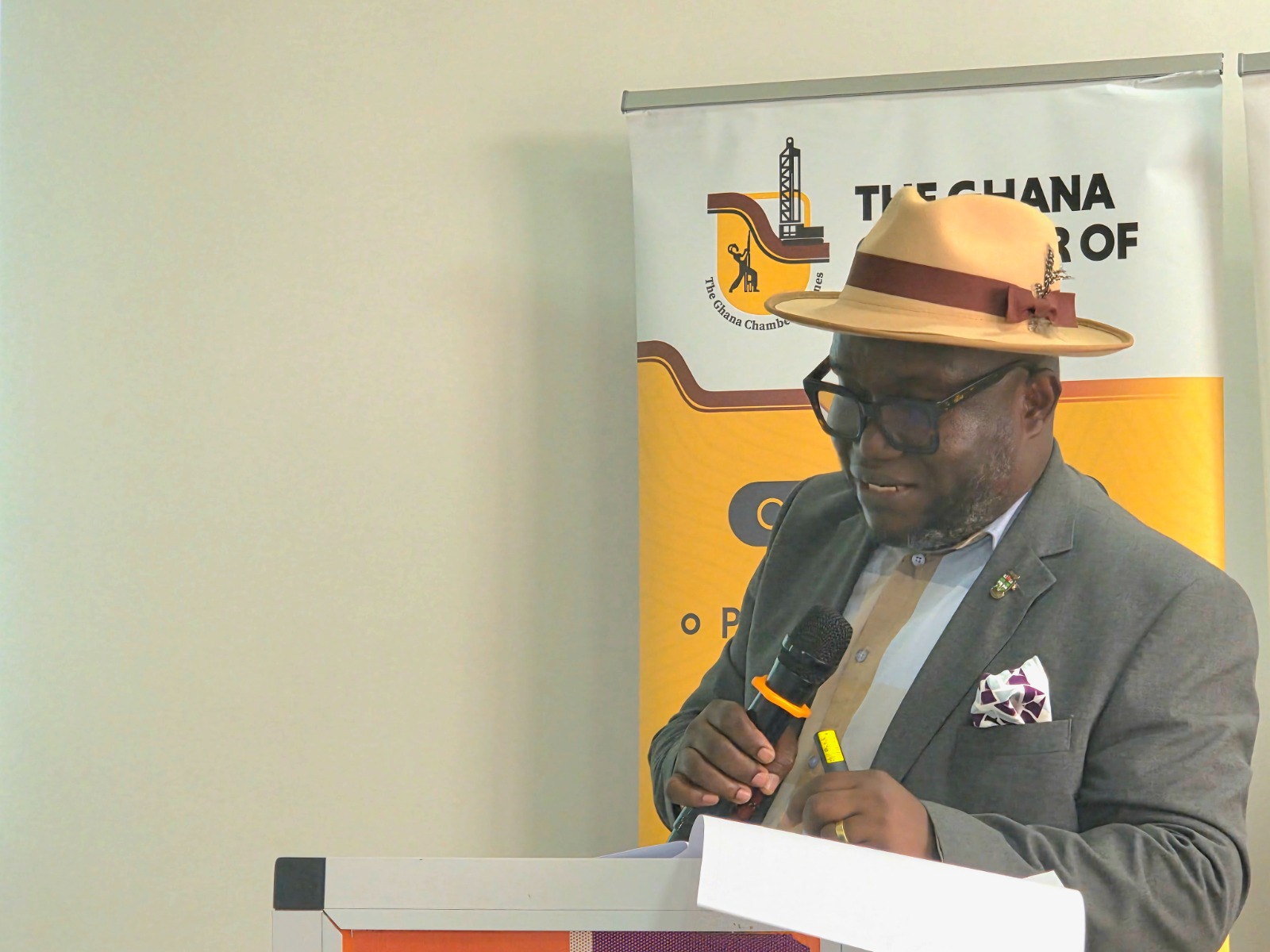
Chief Executive Officer of the Chamber, Ing. Dr. Kenneth Ashigbey, argued that the missing link lies in failing to leverage the broader mining value chain. He pointed to untapped opportunities in areas such as activated carbon production using agricultural by-products, stressing that even partial participation in mining procurement could significantly transform local economies.
“Royalties alone cannot transform communities,” echoed the Chamber’s Chief Operating Officer, Ahmed Dasana Nantogmah, who urged a deliberate focus on enterprise development, job creation, and value addition. He noted that sectors like logistics, catering, fabrication, and agribusiness remain underdeveloped due to limited access to financing, information, and coordination.
What emerged strongly from the forum was a reframing of mining—not just as an extractive industry, but as a catalyst for broader economic ecosystems.
The Vice Chancellor of UENR, Professor Elvis Asare-Bediako, broadened the conversation further, advocating strategic investment of mineral wealth into tourism, education, and healthcare. He emphasised that human capital development—through literacy, numeracy, and skills training—would determine whether communities can seize opportunities beyond the lifespan of mines.
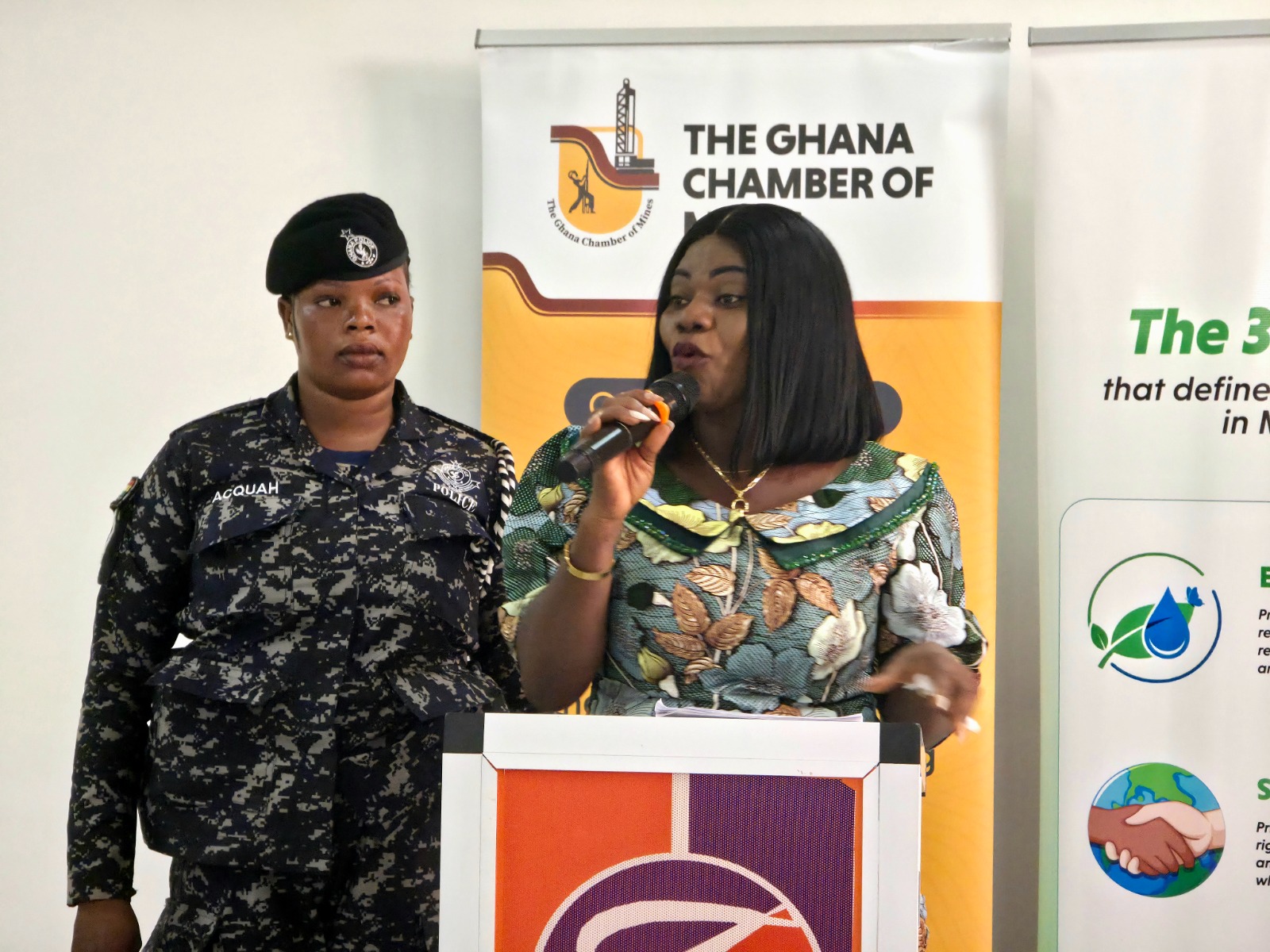
This long-term thinking was reinforced by Ahafo Regional Minister, Charity Gardiner, who cautioned that without careful planning, mining areas risk economic decline once extraction ends. She highlighted ongoing government initiatives, including the National Apprenticeship Programme and SME support schemes, as critical tools to reposition communities within and beyond the mining value chain.
She also pointed to pressing infrastructure gaps, including the need for a regional hospital, agro-processing facilities, and improved waste management systems, warning that rapid urbanisation linked to mining activities demands urgent attention.
From the private sector perspective, Newmont Ghana’s Ahafo South Mine General Manager, Ing. Alex Kofi Annin, presented a working model of local integration. Through the Ahafo Linkages Programme, implemented with the International Finance Corporation (IFC), over 1,000 community-based businesses have been supported—some evolving into national contractors.
Yet, even with these gains, participants agreed that isolated efforts are not enough.
A recurring theme was the need for stronger collaboration among stakeholders—traditional authorities, financial institutions, academia, and industry—to unlock sustainable growth. Key priorities identified included improving access to finance, strengthening enterprise capacity, investing in skills, and enhancing institutional coordination.
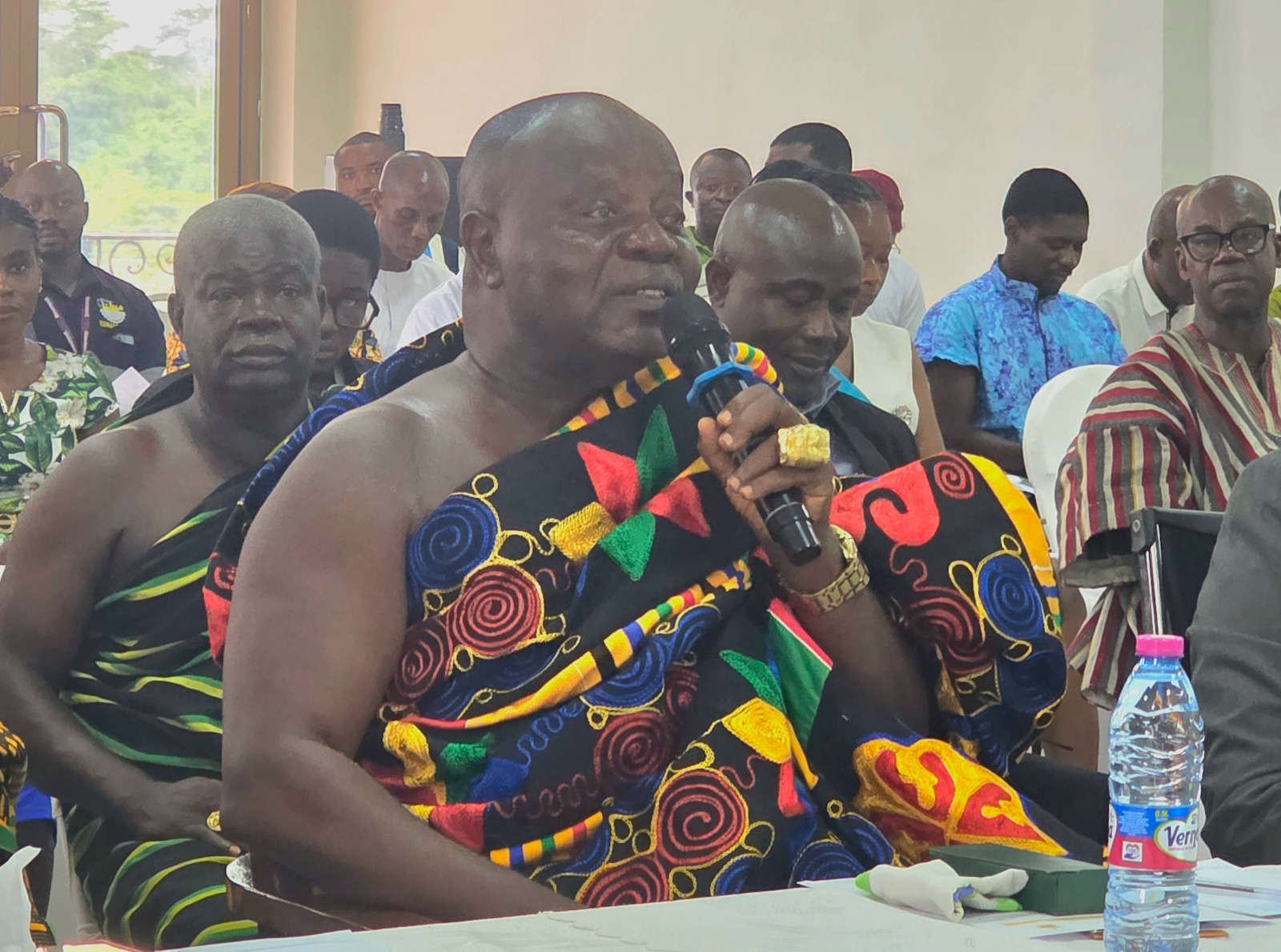
The Omanhene of Ntotroso, Nana Barima Twereku Ampem III, added a governance dimension to the debate, urging the Chamber to intensify advocacy against illegal mining, which continues to undermine both environmental sustainability and local development efforts.
The forum resolve that Ghana’s mining communities must transition from passive recipients of royalties to active participants in value creation.
If implemented, this shift could redefine the legacy of mining—not as a finite extraction of resources, but as a foundation for enduring economic transformation.
By: Christian Kpesese