


By Kofi Agbeko Leh
We wash our vegetables carefully.
We soak tomatoes in salty water. We rinse lettuce repeatedly. Some people use vinegar, baking soda, or charcoal solutions, believing these methods can remove whatever may be hiding on the surface of the food they are about to eat.
Yet across markets, farms, kitchens, and communities, a difficult question continues to linger quietly beneath everyday meals:
What if the danger is no longer only on the surface?
Across the world, growing concern is emerging over chemical residues in food systems. From Europe and North America to Asia and Africa, scientists, regulators, and public health experts are increasingly warning about pesticide contamination in vegetables, fruits, grains, meat products, and water sources.
What often appears fresh, colourful, and healthy on the market table may sometimes carry invisible traces of harmful chemicals embedded within the food itself.
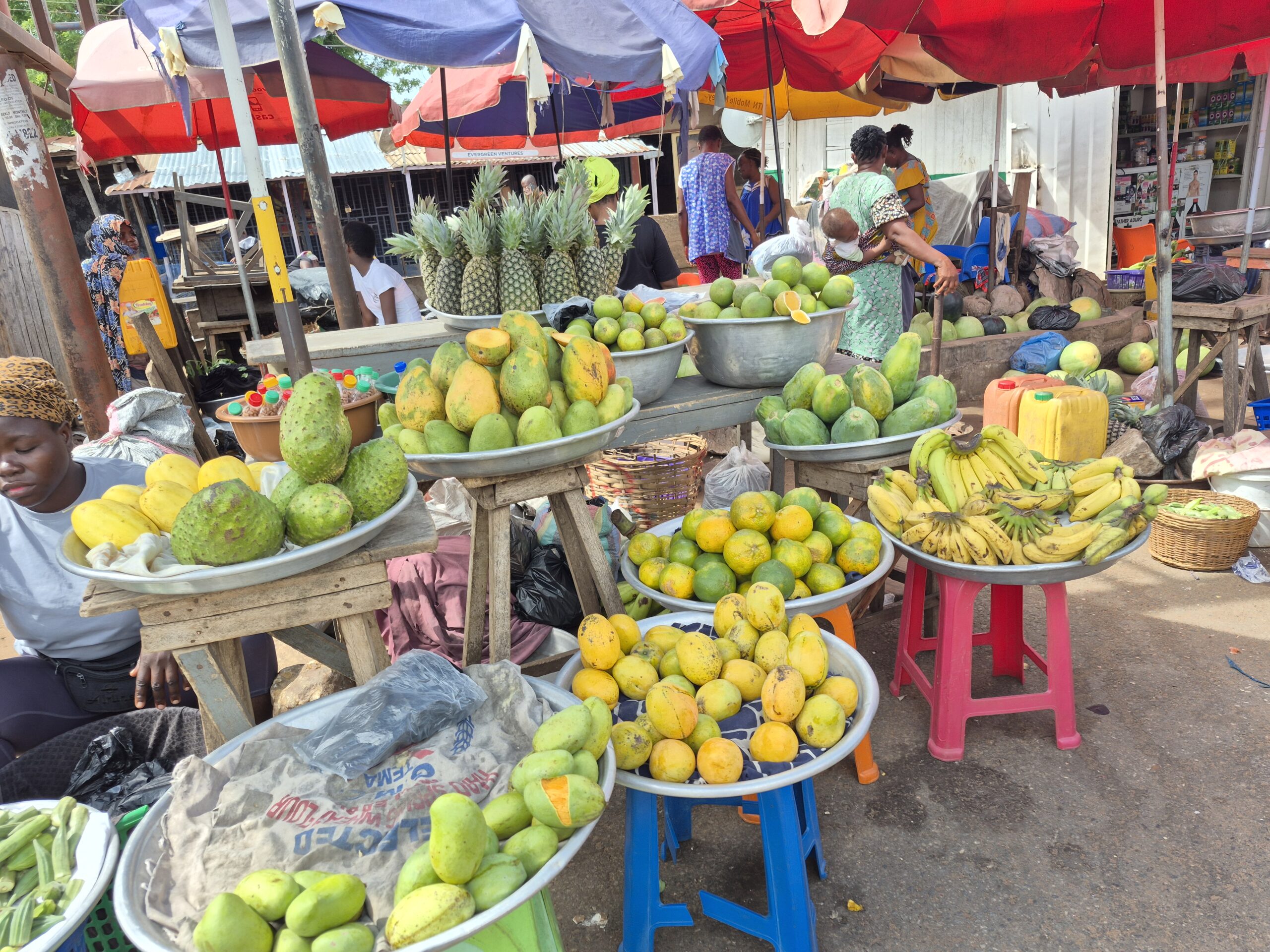 Image 1: Fresh Displayed Fruits for Sale (Banana, Mangoes, Pineapples, Pawpaw)
Fresh Fruits Displayed for Sale at a Local Market During Early Morning Hours. (Author’s field documentation, 2026).
In many developing countries, particularly across parts of Africa where regulatory enforcement remains weak and farmer education limited, the issue is gradually evolving into a significant public health concern with environmental, economic, and social implications.
The danger is not always dramatic or immediate. It is silent.
 Image 2: Softened Carrots and Beetroot. The Public Health Risks Developing Quietly
Beetroot and Carrots Showing Visible Deterioration and Whitish Surface Formation after Prolonged Market Exposure. (Author’s field documentation, 2026).
It accumulates slowly over years through repeated exposure, quietly entering homes, schools, restaurants, and communities through the very food systems meant to sustain life.
A Reality Quietly Unfolding Across Communities
One evening in a farming community near Anloga in Ghana’s Volta Region, a vegetable farmer walks carefully through his lettuce field carrying a pesticide sprayer purchased from a nearby agrochemical shop.
Some of the product labels are faded. Dosage instructions are poorly understood. Harvest time is only a day away.
Waiting several additional days before harvesting could mean losing urgently needed income to support his family.
“We spray because insects destroy everything if we stop,” the farmer explains quietly. “Sometimes buyers want vegetables immediately, so we cannot wait too long before harvesting.”
By dawn, those vegetables begin their journey into urban markets, restaurants, schools, and homes.
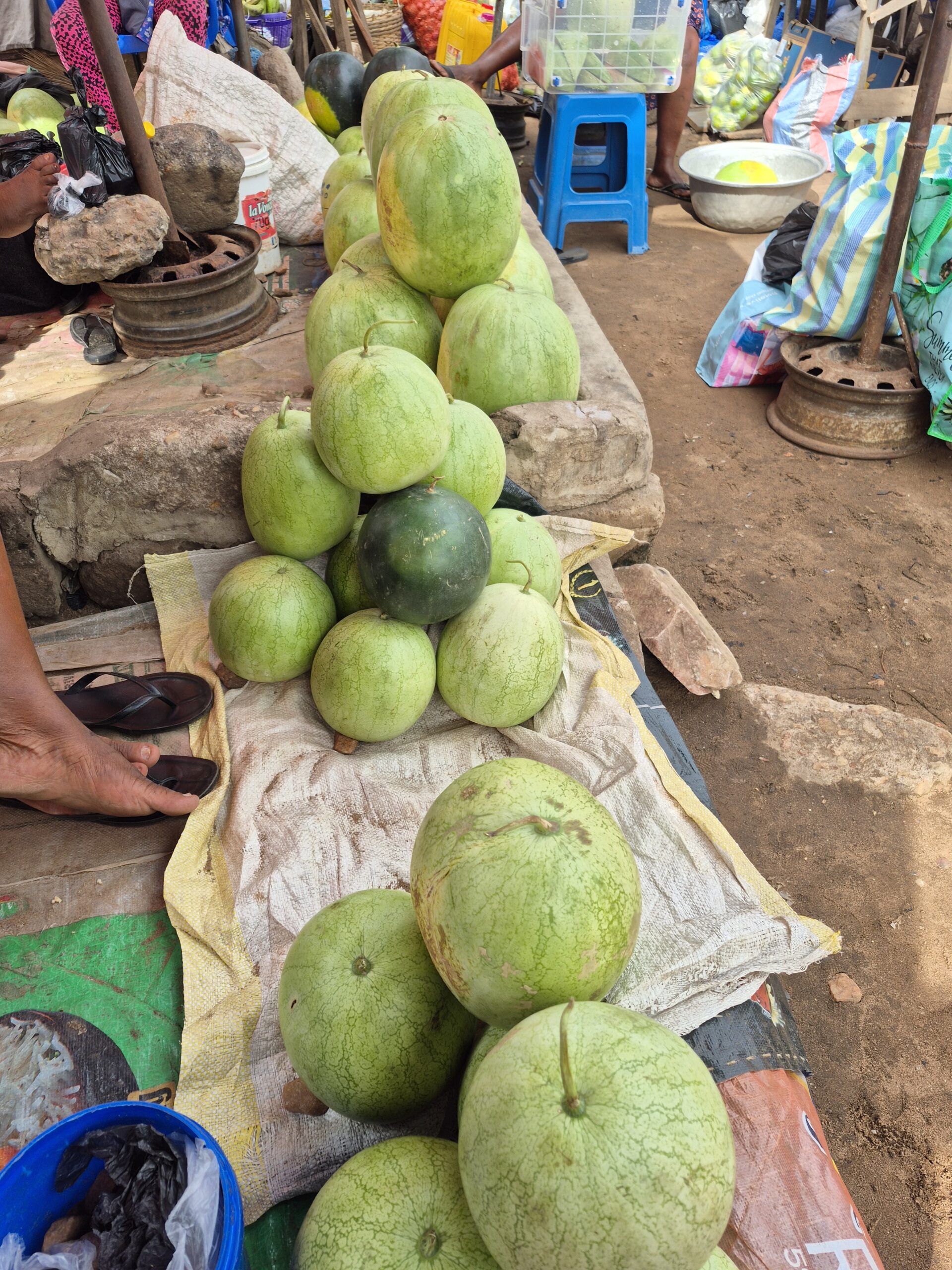
Image 3: Fresh Vegetables Displayed for Sale
Fresh Vegetables Displayed for Sale During the Early Morning Market Peroid. (Author’s field documentation, 2026).
This story is not isolated.
It reflects an increasingly common agricultural reality across many farming communities in Ghana and other parts of Africa, where farmers often face intense pressure to maximize yields while operating within weak regulatory systems, rising production costs, climate uncertainty, and limited technical support.
In several local markets, some traders now openly acknowledge that customers increasingly worry about chemical contamination in vegetables.
“We hear people complain about the smell of chemicals on some vegetables,” one tomato seller near Kumasi explained. “Many buyers now ask whether the vegetables are safe before they buy.”
In response, some market women wash vegetables repeatedly before displaying them for sale, hoping to improve both appearance and consumer confidence.
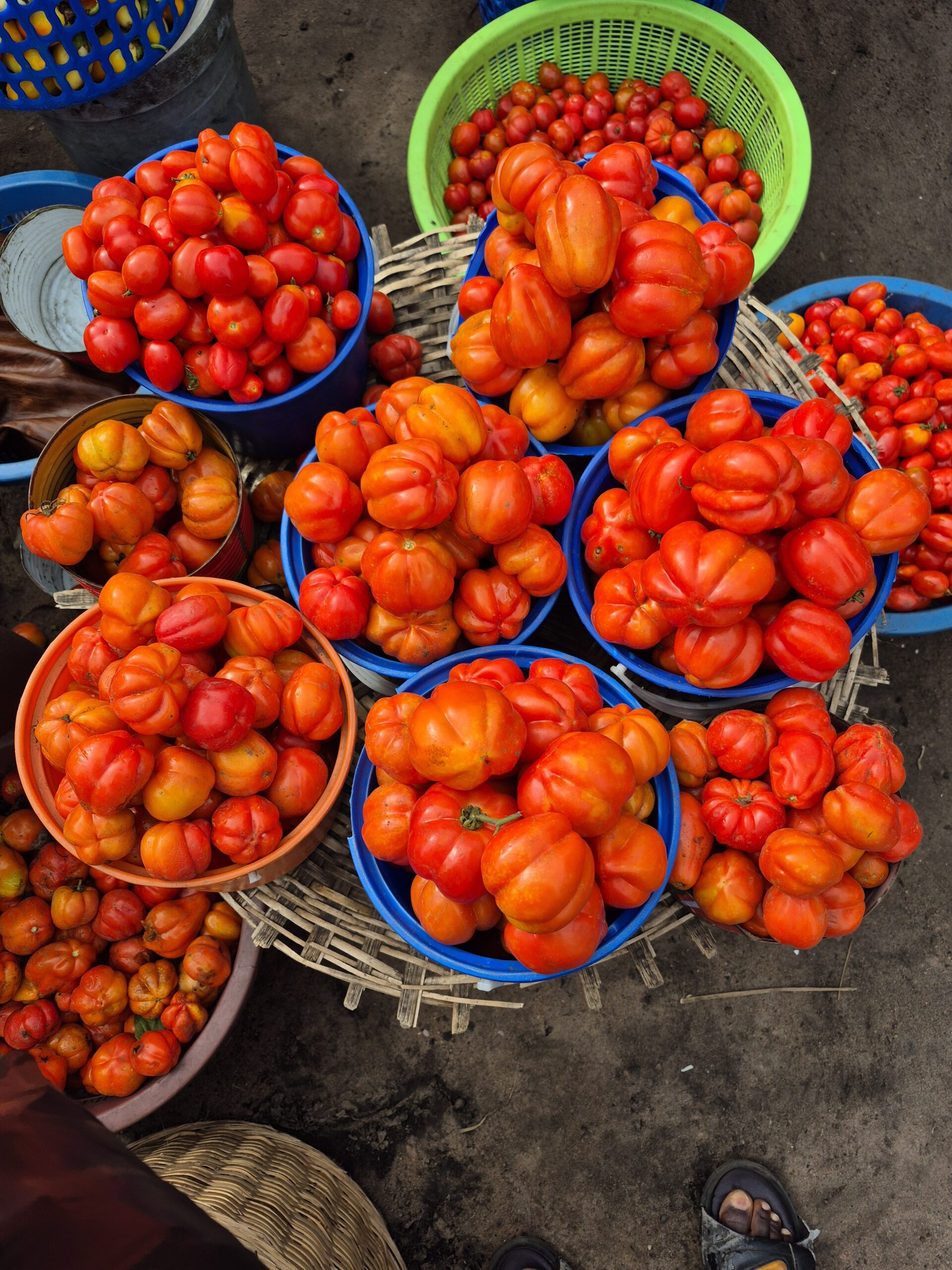 Image 4: Fresh Tomatoes in the Morning
Tomatoes being Cleaned before Display for Sale in an Attempt to Improve Appearance and Consumer Confidence. (Author’s field documentation, 2026).
Yet experts caution that while washing may remove surface dirt and some external contaminants, it does not completely eliminate chemical residues that may have already penetrated the tissues of the food during cultivation.
The Chemicals We Do Not See
Chemical residues are traces of substances that remain in food after production, storage, processing, or environmental exposure.
These may include: Pesticides, Herbicides, Fungicides, Insecticides, Antibiotics, Heavy metals, Industrial contaminants.
Among the most commonly detected pesticide residues globally and within Ghanaian food systems are: Chlorpyrifos, Glyphosate, Paraquat, Cypermethrin, Organophosphates, Pyrethroids, Neonicotinoids, DDT residues and metabolites.
Some of these chemicals have attracted international concern due to their environmental persistence and potential long-term health effects.
For example, Paraquat has been banned or heavily restricted in several countries, including members of the European Union, because of concerns regarding toxicity and links to severe health complications. Chlorpyrifos has also faced restrictions in parts of Europe and North America over concerns about neurological effects, particularly in children.
Yet despite such restrictions elsewhere, some of these products continue to circulate across markets in parts of Africa through complex international trade systems, weak enforcement structures, porous borders, and informal agrochemical supply chains.
In many cases, products manufactured abroad eventually find their way into developing agricultural markets where regulatory oversight, farmer training, and residue monitoring remain inadequate.
Why Farmers Continue to Use Them
For many smallholder farmers, agrochemicals are not viewed as optional. They are considered survival tools.
Farmers often rely on pesticides to protect crops from insects, fungal infections, and post-harvest losses that could destroy entire investments within days.
Market demand also contributes significantly to the problem. Consumers frequently prefer vegetables that appear larger, brighter, fresher, and more visually attractive.
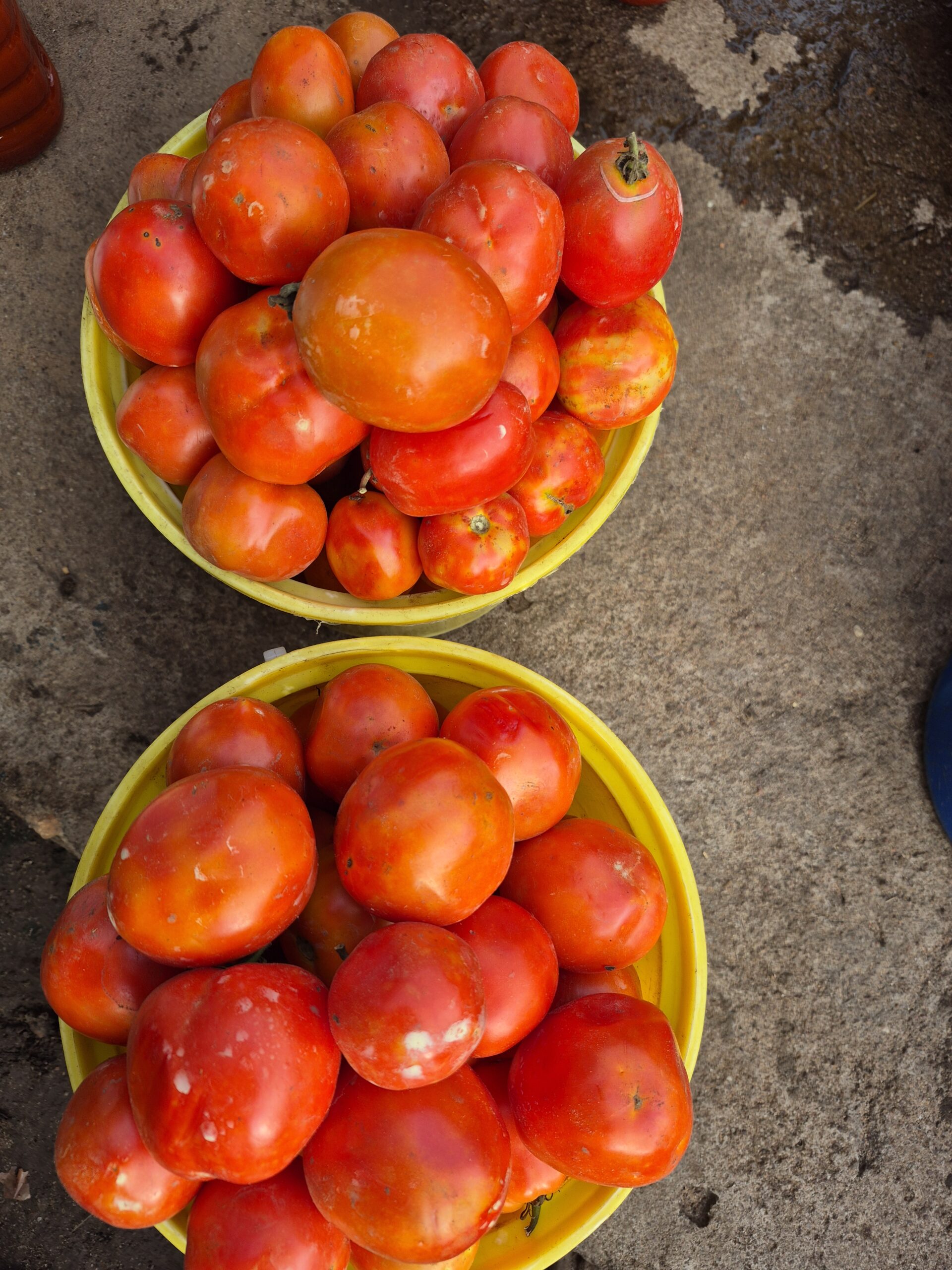
Image 5: Tomatoes Showing Chemical Residues. The Chemicals We Do Not See
Fresh Tomatoes Displayed with Visible Surface Coloration Associated with recent Agrochemical Application. (Author’s field documentation, 2026).
As a result, some farmers feel pressured to intensify chemical application to meet market expectations and secure higher prices.
The challenge is further compounded by:
– limited access to agricultural extension services,
– poor understanding of dosage instructions,
– low literacy levels in some farming communities,
– weak enforcement of pre-harvest intervals,
– and inadequate monitoring systems.
For many farmers already operating under economic pressure, immediate survival often outweighs long-term health considerations.
Public Health Risks That Develop Quietly
Unlike food poisoning, chemical residue exposure rarely produces immediate symptoms. That is precisely what makes the issue particularly dangerous.
Scientific research increasingly links prolonged exposure to certain pesticides and agrochemicals with: cancer, infertility, hormonal disruption, kidney and liver damage, respiratory diseases, neurological disorders, immune system suppression, developmental problems in children, and cardiovascular complications.
Researchers are also examining possible connections between pesticide exposure, neurological degeneration, and disruption of the human gut microbiome.
Children, pregnant women, farmers, food vendors, and agricultural workers remain among the most vulnerable populations.
According to the World Health Organization, pesticide exposure contributes to an estimated 200,000 deaths globally each year, with many cases occurring in developing countries where regulation and monitoring systems remain weak. Yet for most families, the danger remains invisible.
The tomato looks bright. The lettuce appears fresh. The pepper shines beautifully in the market. But microscopic chemical residues may still remain embedded within the food itself.
Environmental Damage Beyond Human Health
The consequences of excessive agrochemical dependence extend far beyond individual health outcomes.
Improper pesticide application contaminates rivers, wetlands, groundwater, soils, and aquatic ecosystems. Some chemicals persist in the environment for years, gradually accumulating within ecological systems and food chains.
Pollinators such as bees, which are essential for biodiversity and food production, are particularly vulnerable to certain pesticides, especially neonicotinoids.
Environmental researchers across Europe and North America have linked declining bee populations partly to pesticide exposure and habitat degradation.
Excessive chemical dependence can also destroy beneficial soil microorganisms that naturally support healthy crop production and long-term soil fertility.
Ironically, chemicals introduced to increase agricultural productivity may eventually weaken the very ecosystems agriculture depends upon.
In parts of Ghana and other African countries, environmental experts have also raised concerns about pesticide runoff entering streams and water bodies used by nearby communities for domestic purposes.
The Economic Cost of Unsafe Food Systems
Unsafe food systems carry serious economic consequences.
 Image 6: Rotten Tomatoes that find their ways to most of the Roadside Food -Joints
Tomatoes Showing Rapid Spoilage During Peak Daytime Temparatures at a Local Market in Tamale. (Author’s field documentation, 2026).
Chemical residues can:
– reduce export competitiveness,
– trigger rejection of agricultural exports,
– increase healthcare costs,
– reduce labour productivity,
– weaken tourism confidence,
– deepen rural poverty,
– and undermine long-term food security.
International food markets are becoming increasingly strict regarding Maximum Residue Limits. Countries unable to meet global food safety standards risk losing access to valuable international markets.
For smallholder farmers already struggling with rising production costs, rejected exports can become economically devastating.
Food contamination is therefore not only a health issue. It is also a development, governance, and economic stability issue.
Policy Gaps in Ghana and Across Africa
The challenge is not simply about individual farmer behaviour. It reflects broader structural weaknesses within food governance systems.
Across many developing countries, food safety systems continue to face:
– inadequate laboratory capacity,
– weak residue monitoring,
– insufficient field inspections,
– poor enforcement of pesticide regulations,
– under-resourced agricultural extension services,
– and limited public awareness campaigns.
In some cases, agrochemical products remain accessible in local markets without adequate control over:
– licensing,
– distribution,
– labelling,
– farmer education,
– or safe disposal practices.
The result is a fragmented system where public health risks often remain poorly monitored until long after exposure has occurred.
Addressing chemical residues in food therefore requires systems thinking rather than isolated interventions.
What Must Change
Protecting food safety cannot remain the responsibility of farmers alone. Governments, regulators, researchers, health institutions, businesses, civil society organizations, and consumers all have critical roles to play. Several urgent actions are necessary:
Strengthen Regulation and Enforcement
Governments must strengthen pesticide monitoring systems, improve enforcement capacity, and ensure that hazardous chemicals are properly regulated across supply chains.
Expand Farmer Education
Many farmers require greater access to practical training on:
– safe agrochemical use,
– dosage interpretation,
– protective equipment,
– integrated pest management,
– and safe pre-harvest intervals.
Increase Public Awareness
Consumers deserve greater awareness regarding food safety risks and safer food handling practices.
Public education campaigns can significantly improve accountability across food systems.
Invest in Sustainable Agriculture
There is increasing need for investment in:
– climate-smart agriculture,
– organic farming systems,
– integrated pest management,
– agroecology,
– and sustainable food production models.
Strengthen Institutional Collaboration
Food safety requires stronger coordination between:
– health institutions,
– agricultural agencies,
– environmental regulators,
– universities,
– and research institutions.
A Public Health Challenge That Can No Longer Be Ignored
The issue of chemical residues in food is no longer a distant environmental concern. It is a growing public health challenge quietly unfolding across farms, markets, homes, schools, and communities.
The danger lies not only in what is immediately visible, but also in what accumulates silently over time within soils, rivers, crops, ecosystems, and ultimately, human bodies.
Africa’s agricultural future cannot be built upon unsafe food systems. Protecting food safety means protecting public health, environmental sustainability, economic productivity, and future generations.
The time for passive concern has passed. What is needed now is deliberate policy action, scientific accountability, stronger regulation, farmer education, responsible agricultural practices, and sustained public awareness.
The food systems that sustain life must never become pathways of silent harm.
This article is part of “Chemical Residues in Food” series exploring food safety, agrochemical exposure, environmental health, and consumer protection across Africa.
Author Note
The Author, Kofi Agbeko Leh, is an Environmental Sustainability and Community Development professional focused on food safety, environmental health, WASH systems, artisanal mining research, and sustainability advocacy in Ghana. He is the founder of AgroShield Initiative LBG.
- Connect with the Author for more insights on environmental health and sustainability: LinkedIn: www.linkedin.com/in/kofileh