



Parliament’s Energy Committee has called for a review of the recent reduction in BOST Energies’ operational margin, emphasising its oversight responsibility to ensure the financial stability of the state agency, which remains central to safeguarding Ghana’s fuel security.
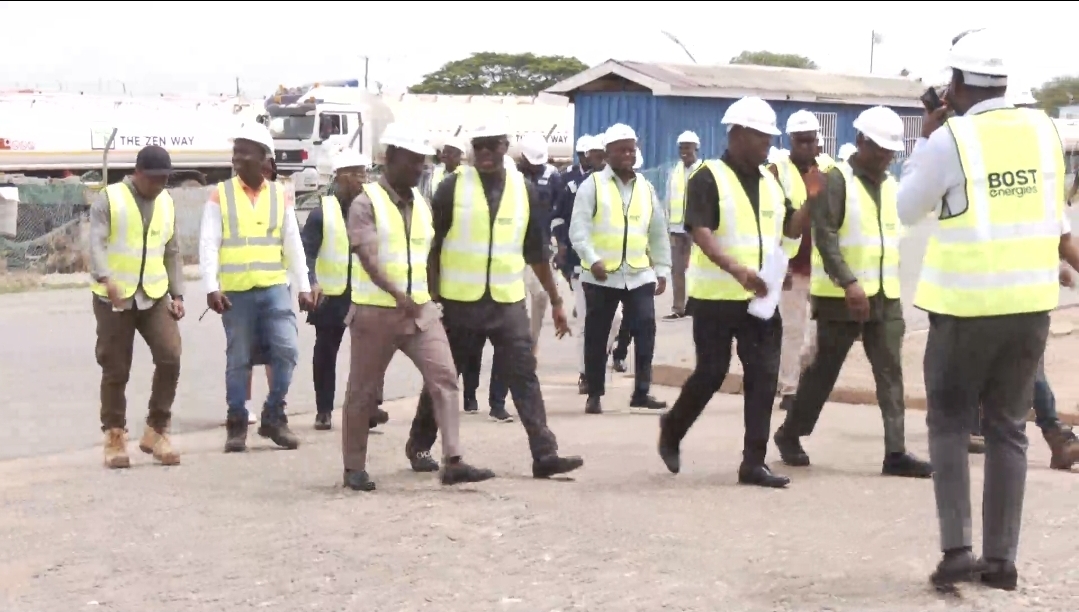
The call follows a working visit by the Committee to the Accra Plains depot of the company in Tema, where members assessed operations and engaged management on the impact of government’s intervention aimed at cushioning consumers from rising global fuel prices.
Deputy Managing Director of BOST Energies, Nat Salifu Acheampong, indicated that while the policy has provided relief at the pumps, it is beginning to constrain the company’s revenue base, with projections pointing to a potential shortfall of about GH¢40 million monthly.
He explained that the margin plays a critical role in financing operational activities and infrastructure development, cautioning that sustained reductions could affect planned investments, including the upgrade of the Accra–Akosombo pipeline.
The proposed project, which involves replacing the existing six-inch pipeline with a twelve-inch line, is expected to significantly enhance fuel transport efficiency across the country and strengthen distribution capacity.
Chairman of the Energy Committee, Emmanuel Kwasi Bedzrah, underscored the importance of maintaining a balance between consumer protection and institutional sustainability, noting that BOST remains a key pillar in the country’s energy security architecture.
He assured that current stock levels according to the briefings received from management remain adequate, with the company holding reserves capable of lasting over six weeks, alongside ongoing replenishment measures.
Mr. Bedzrah commended BOST Energies for its operational preparedness and recovery from past financial challenges, but emphasised that sustained investment in infrastructure is essential to consolidate these gains.
He further noted that delays in critical projects, including the pipeline upgrade, are largely linked to funding constraints, reinforcing the need for a policy review to support the company’s long-term mandate.
Ranking Member of the Committee, George Kwame Aboagye, also supported the call for a reassessment of the margin, highlighting its importance in sustaining operations and supporting the broader petroleum distribution chain.
He observed that while Ghana’s fuel security remains intact, maintaining the financial strength of BOST is vital to ensuring continued efficiency in supply, particularly to underserved and remote areas.
Mr. Aboagye suggested that alternative measures, including a review of certain tax components within the pricing structure, could be explored to ease pressure on industry players without undermining institutional capacity.
Across the Committee, there was broad consensus that BOST’s role as the country’s strategic fuel reserve manager requires a stable and predictable funding framework.
The Committee’s position reflects its constitutional oversight mandate to ensure that key state institutions are adequately resourced to deliver on their responsibilities, while also supporting policies that balance consumer interests with long-term national energy security.
The committee’s recommendation to plenary is expected to inform further debate on how best to sustain BOST’s operations while preserving the gains to ensure increased strategic fuel stock levels.
By: Christian Kpesese