


The Ranking Member on Parliament’s Energy Committee, George Kwame Aboagye, has called on government to urgently restore the BOST margin to enable BOST Energies to invest in critical infrastructure and sustain the country’s strategic fuel reserves.
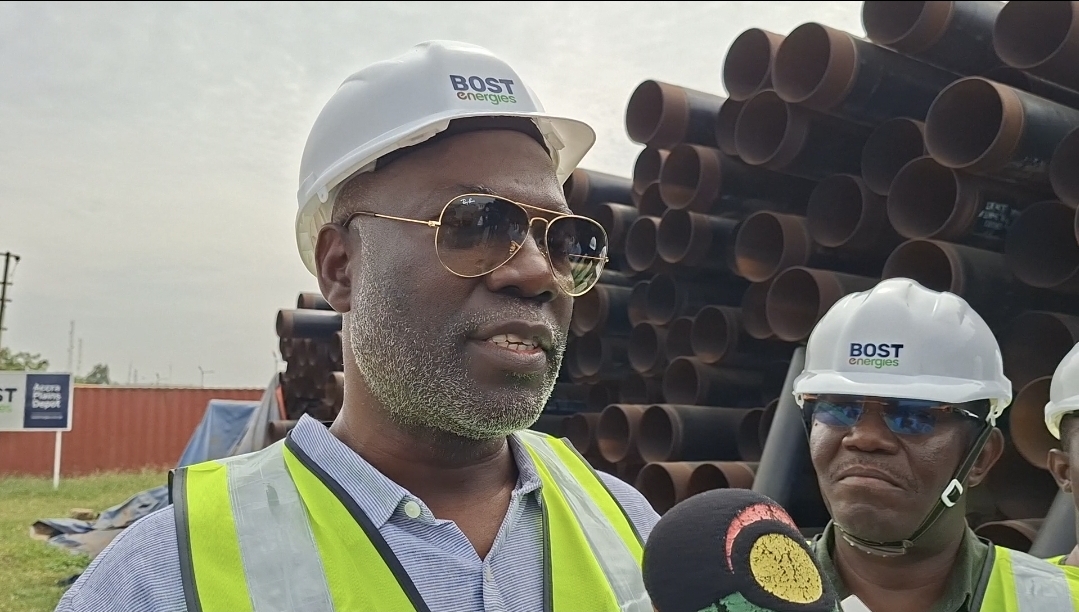
Speaking during a working visit by the Committee to BOST’s Accra Plains depot in Tema, Mr. Aboagye acknowledged the company’s current capacity to guarantee fuel security but warned that recent reductions in its margin could undermine its long-term operational efficiency.
“I take it in good faith and accept that we have fuel security. That is the most important thing,” he stated. “But the one aspect is the margin I complain about… that is the money they need to use to do good work for Ghana.”
He disclosed that recent adjustments have resulted in a significant financial shortfall—estimated at about GH¢40 million—which he said would directly impact BOST’s ability to undertake essential projects.
According to him, the margin remains a crucial source of funding for infrastructure development and operational improvements within the state entity, and any reduction threatens its capacity to deliver on its mandate.
Mr. Aboagye therefore appealed to both Parliament and the Executive to prioritise support for BOST, stressing its central role in maintaining national fuel security.
“We all have to come together and support BOST, because they are the strategic point that is going to help Ghana,” he urged.
The Ranking Member further broadened his concerns to include the impact of reduced margins on Oil Marketing Companies (OMCs), warning that the situation could disrupt fuel distribution, particularly to remote parts of the country.
“If an OMC has to take fuel to Bolgatanga and is getting the same margin as in Tema, then they are constrained,” he explained, cautioning against potential supply challenges in underserved areas.
As part of measures to ease the burden on industry players, Mr. Aboagye renewed his call for the temporary suspension of certain government-imposed taxes, particularly the Energy Sector Levy increment introduced last year.
“The best thing is for government to look at its taxes. The one cedi added on the Energy Sector Levy should be suspended for the meantime,” he proposed, suggesting that the levy could be reinstated once economic conditions improve.
His remarks add to growing calls for policy adjustments within the energy sector to balance revenue generation with the need to sustain investment in critical infrastructure and ensure uninterrupted fuel supply nationwide.
Minority Pushes for Restoration of BOST Margin to Safeguard Fuel Security


RELATED ARTICLES
- Advertisment -