


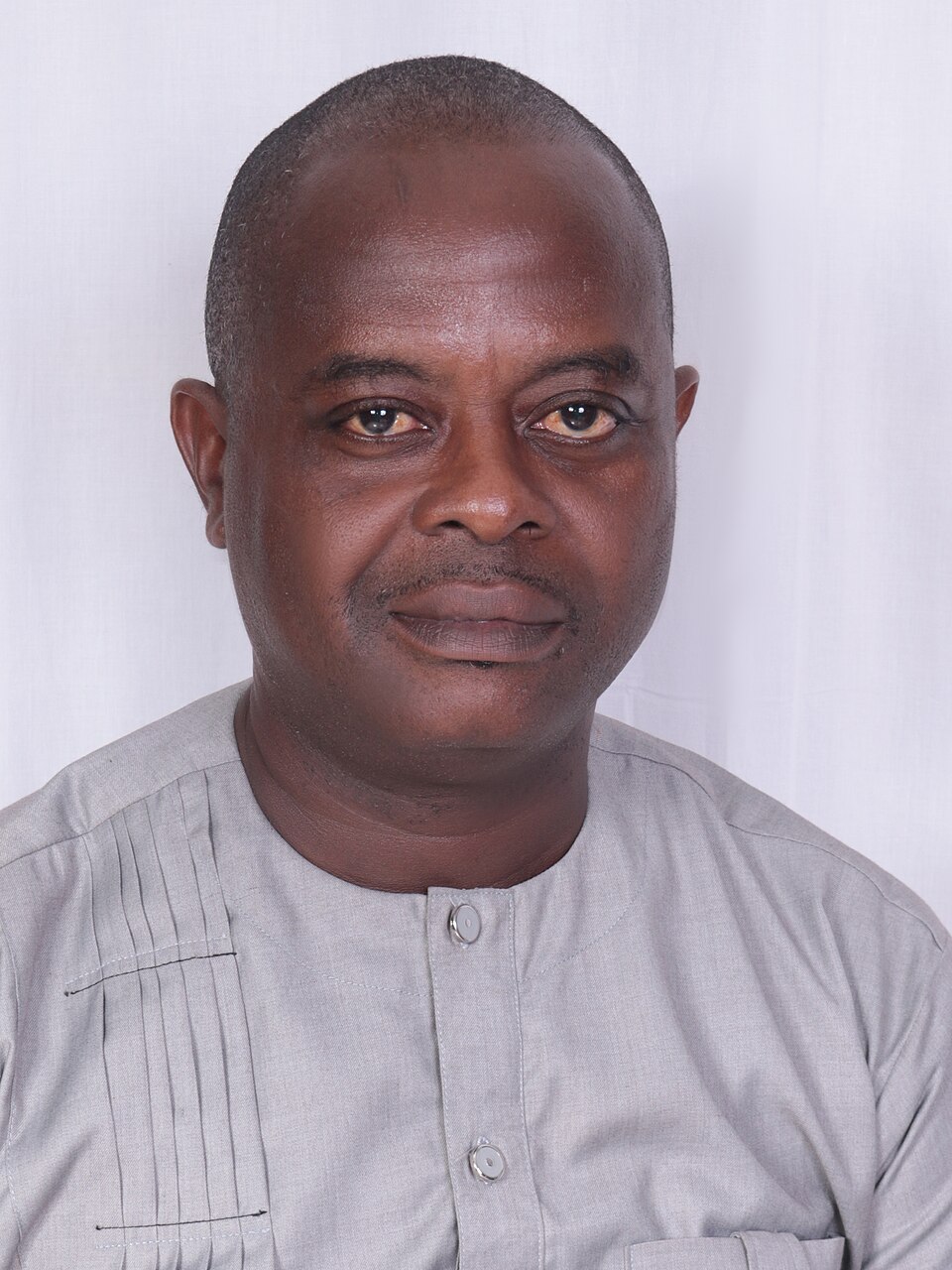
The Member of Parliament for Anlo, Richard Kwame Sefe, has issued a strong SOS appeal to government, calling for immediate and practical interventions to halt the escalating destruction caused by tidal waves along coastal communities in the Volta Region.
Speaking to NR NEWS in an interview, the MP highlighted the worsening humanitarian and environmental crisis, emphasising that affected residents have grown weary of relief interventions and are demanding permanent solutions to protect their lives and livelihoods.
He pointed to the scale of devastation across multiple districts, noting that in Anloga alone, nearly 50 communities risk being cut off if urgent action is not taken. The Kome enclave, which includes communities such as Koji, Wotame, Alakple and Atito, remains among the hardest hit, with farmlands steadily being eroded by the advancing sea.
In Keta, areas including Anyako and the township continue to experience flooding during heavy rains and high tides, while coastal communities in Ketu South—such as Agavedzi, Agblekpui and Klikor—are already facing severe tidal wave impacts. The crisis has also extended inland, with rising sea levels pushing into the Volta River and its tributaries, triggering flooding in parts of Akatsi South, particularly around the Avu Lagoon enclave.
Hon. Sefe emphasized that the situation has evolved beyond a localized coastal problem into a broader, multi-district crisis driven by interconnected water systems. According to him, high sea levels are forcing water through the Volta River into tributaries and lagoons, causing widespread flooding across communities simultaneously—an impact that local assemblies and individual MPs are unable to manage.
A major concern raised by the MP is the lack of visible progress under the West Africa Coastal Areas (WACA) Project 2, which has substantial funding earmarked for coastal resilience. Despite the availability of approximately $150 million, he noted that no significant physical works have commenced, with efforts largely limited to consultations and workshops.
He contrasted Ghana’s approach with that of neighbouring countries such as Benin and Togo, which have used similar funding to undertake land reclamation projects that push back the sea, rather than relying solely on protective structures. In Ghana’s case, he observed that areas protected by groins continue to experience submersion, highlighting the limitations of current interventions.
The MP further underscored growing frustration among affected communities, who are calling for long-term engineering solutions instead of temporary relief support. He indicated that the continued focus on workshops and discussions, often held away from affected areas, has not translated into tangible protection for vulnerable populations.
The Anlo MP is therefore on behalf of the chiefs and people urging central government to take full responsibility for the crisis by deploying available resources toward large-scale coastal reclamation and sustainable sea defence systems. He maintained that the magnitude of the problem requires national-level coordination and investment, beyond the capacity of local authorities.
By: Christian Kpesese