


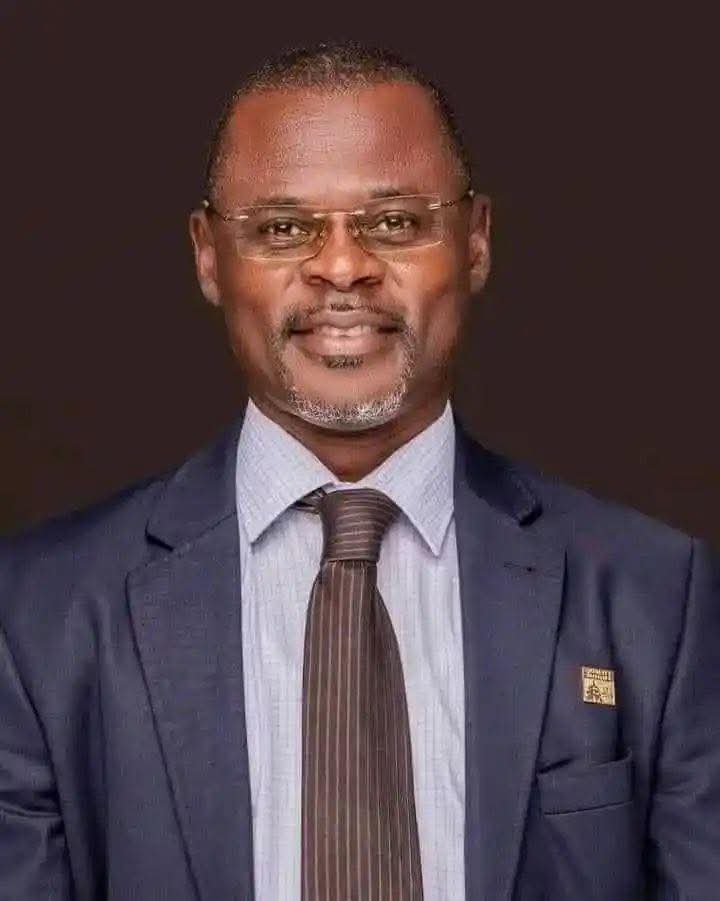
The Member of Parliament for Garu, Dr. Thomas Winsum Anabah, has called for urgent national action to address Ghana’s widening shortage of medical doctors, warning that the situation poses a serious threat to equitable healthcare delivery across the country.
Dr. Anabah who made the call in a statement on the floor of the House described the shortage of health professionals as a matter of urgent national importance, emphasising that many health centres and district hospitals across the country remain critically understaffed despite investments in infrastructure and equipment.
According to him, the lack of adequate skilled personnel continues to undermine access to quality healthcare in many parts of Ghana, particularly in rural and underserved communities.
“While infrastructure and equipment are vital to a functional health system, the absence of adequate skilled personnel continues to undermine access to quality healthcare,” he told the House.
Dr. Anabah noted that although nurses form the backbone of the country’s health system, their numbers are still insufficient to meet growing demand. He pointed out that thousands of nurses graduate annually, yet many remain unemployed due to fiscal constraints, while others leave the country in search of better working conditions abroad.
The Garu legislator said the situation is even more severe when it comes to medical doctors. Ghana’s physician-to-population ratio currently stands at 2.66 doctors per 10,000 people, far below the World Health Organization’s recommended minimum of 10 doctors per 10,000 people. The global average, he said, is 17.2 doctors per 10,000 people.
Citing data from the Ghana Medical and Dental Council, Dr. Anabah indicated that the country currently has about 12,886 registered medical doctors, but would require roughly 32,000 doctors to meet the global benchmark for a population of about 32 million people.
“This leaves Ghana with a deficit of nearly 19,000 physicians,” he stated.
Even with current training capacity, Dr. Anabah warned that closing the gap could take nearly two decades. Ghana trains approximately 900 to 1,000 doctors each year, but the situation is worsened by the steady migration of medical professionals.
About 35 percent of locally trained doctors emigrate annually, he said, largely due to better remuneration, improved working conditions, and greater opportunities for professional growth in other countries.
The MP further highlighted the stark imbalance in the distribution of doctors between urban and rural areas. While some urban health facilities have relatively adequate staffing, many districts in rural Ghana operate with only one or two doctors serving tens of thousands of people.
“In some districts, including Garu, one or two doctors serve populations of more than 40,000 people. This is not simply inconvenient; it places lives at risk,” he stressed.
Dr. Anabah also raised concerns about the wellbeing of healthcare workers already in the system. He cited a 2024 performance report by the Medical and Dental Council, which indicated that nine percent of doctors cited in professional misconduct cases were dealing with some form of depression, suggesting that the strain on healthcare workers goes beyond numbers to include mental health challenges.
Despite the challenges, the Garu MP said Ghana could draw valuable lessons from countries that have successfully addressed similar workforce shortages.
He pointed to reforms in countries such as Canada, Australia and Israel, where licensing systems for internationally trained doctors have been simplified to reduce unnecessary barriers while maintaining professional standards.
Dr. Anabah also cited initiatives such as Practice Ready Assessment programmes, which allow experienced doctors trained abroad to undergo supervised clinical practice leading to full licensure instead of repeating lengthy training pathways.
In addition, he suggested that Ghana could align immigration and health workforce policies to attract qualified doctors to underserved areas, while also expanding the list of internationally recognised medical training institutions.
To address the crisis, Dr. Anabah proposed a multi-pronged national strategy, including the adoption of Competency-Based Medical Education across medical schools, the introduction of flexible postgraduate training pathways to increase specialist numbers, and reforms to licensing and credential recognition frameworks to attract Ghanaian doctors abroad and qualified international medical graduates.
He also called for greater investment in faculty development, training infrastructure and regulatory capacity to sustain quality medical education.
However, the MP stressed that increasing the number of doctors alone would not be enough if the welfare of healthcare professionals is not addressed.
“We must improve working conditions, ensure fair and timely compensation, provide incentives for rural service, and strengthen mental health support for healthcare workers,” he said.
Dr. Anabah emphasised that achieving Universal Health Coverage by 2030 would depend heavily on the strength of Ghana’s health workforce.
“No health system can function without an adequate number of motivated, well-trained doctors and nurses,” he added, urging policymakers to treat the issue with urgency.
He stressed that communities across the country—from Garu to Ga Mashie and Gomoa—deserve accessible and quality healthcare, making it imperative for the nation to take decisive steps to close the physician gap.
By: Christian Kpesese