


Rising tensions in the Middle East, triggered by joint U.S. and Israeli strikes on Iran and Tehran’s retaliatory attacks on American bases in that region, are sending shockwaves through global energy markets. Thousands of kilometres from the conflict zone, Ghana and much of Africa are confronting a critical question: how resilient are their energy systems in the face of sudden geopolitical shocks that could drive fuel prices higher and disrupt supply?
The Middle East remains central to the global oil supply chain. The region hosts some of the world’s largest petroleum reserves and controls vital shipping routes, particularly the Strait of Hormuz in Iran, a crucial artery for one-fifth of the world’s crude oil and liquefied natural gas. Any disruption in the region tends to ripple through international energy markets, pushing up prices and creating uncertainty about supply.
With tensions escalating and fears of broader regional instability growing, energy-importing countries are bracing for potential fuel price increases and supply disruptions.
Ghana’s Fuel Security Buffer
Ghana’s first line of defence against global fuel shocks is its petroleum stock reserve. According to the National Petroleum Authority (NPA), the country currently maintains about five weeks of petroleum products to meet national demand. These stocks are distributed across facilities operated by the Bulk Oil Storage and Transportation Company (BOST) and private depots.
BOST manages the backbone of Ghana’s petroleum storage infrastructure, with major depots located in Accra Plains, Kumasi, Buipe, Bolgatanga, Akosombo, and Mami Water. These installations together provide storage capacity of roughly 415,000 cubic metres of petroleum products.
While the five-week reserve offers a short-term cushion against global supply disruptions, energy experts note that it is relatively modest compared to strategic reserves maintained by many advanced economies, where fuel buffers typically cover three to six months of consumption. If the Middle East conflict escalates and disrupts supply routes or significantly raises oil prices, Ghana could face pressure in the form of higher fuel costs, increased transport fares, and inflationary pressures across the economy.
Challenges in Ghana’s Upstream Sector
Ghana’s upstream oil sector has seen production decline over the past decade, with output from major fields like Jubilee, TEN, and Sankofa falling significantly from their peak levels. Aging reservoirs, limited new drilling, and operational challenges have contributed to this downward trend, leaving the country increasingly dependent on a few mature fields for its crude supply.
Investment in the upstream sector has also been insufficient, with few new wells drilled and exploration activity lagging. Without fresh projects to expand capacity, Ghana’s ability to enhance energy self-sufficiency during global crises remains constrained, heightening vulnerability to international fuel shocks.
Heavy Dependence on Hydrocarbon Energy
Ghana’s vulnerability to global energy shocks is also linked to the structure of its power generation system. Thermal power plants fuelled by natural gas and oil account for nearly two-thirds of Ghana’s electricity generation capacity. Hydroelectric power, largely from the Akosombo and Bui dams, provides about one-third, while renewable energy sources such as solar contribute only a small share.
Although domestic gas production from offshore fields has strengthened supply to thermal plants, the country still relies heavily on imported refined petroleum products to meet transport and industrial energy needs. As a result, fluctuations in global oil prices quickly filter through the domestic economy. In periods of global tension, energy-importing economies like Ghana often face rising import bills, pressure on their currencies, and broader inflationary risks.
A Different Picture for Africa’s Oil Producers
While many African economies may struggle with rising fuel costs, the current situation could present opportunities for major oil-producing countries on the continent. Countries such as Nigeria, Angola, and Algeria could benefit from higher global oil prices if the conflict drives crude markets upward. Increased export revenues may strengthen government finances and improve foreign exchange reserves in these countries.
Nigeria in particular, Africa’s largest oil producer, could experience significant revenue gains from sustained price increases, although domestic fuel subsidy pressures and refining capacity challenges may offset some of these benefits. The overall impact across the continent will therefore vary depending on whether countries are net energy importers or exporters
Renewables Offer Long-Term Protection
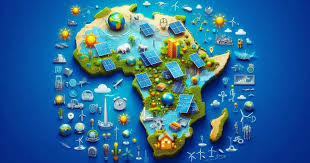
Across Africa, governments are increasingly looking to renewable energy as a way to reduce exposure to volatile global fuel markets. Countries including Morocco, South Africa, Kenya, and Egypt are making significant investments in solar, wind, and geothermal energy.
Morocco hosts one of the world’s largest solar power complexes, Kenya generates a large share of its electricity from geothermal resources, and South Africa has accelerated renewable energy procurement in recent years to diversify its power mix. These investments are gradually helping reduce reliance on imported fossil fuels and insulating energy systems from global geopolitical shocks.
Ghana’s Energy Transition Journey
Ghana has begun steps toward diversifying its energy mix, though progress remains gradual. Government policy aims to increase the share of renewable energy in electricity generation through expanded solar projects and other clean energy initiatives. However, renewables still account for only a small fraction of the country’s installed capacity. The country revised its original 2020 target of 10% renewable energy penetration in its national energy mix to 2030 due to challenges in infrastructure, investment, and policy implementation.
Another long-term pillar of Ghana’s energy security strategy is nuclear power. The country is working with international partners to develop its first nuclear power plant, which could provide stable baseload electricity once completed in the next decade. If successfully implemented, nuclear energy would offer Ghana a reliable source of power not directly tied to global oil and gas market fluctuations.
Lessons from a Global Crisis
The current tensions in the Middle East serve as a reminder of how interconnected the global energy system has become. A conflict in one region can quickly reverberate across continents, affecting fuel prices, electricity costs, and economic stability.
For Ghana and many African countries, the situation underscores the urgency of strengthening energy resilience. Expanding strategic fuel reserves, accelerating renewable energy development, and investing in diversified power generation sources will be essential steps toward reducing vulnerability to global shocks.
While Ghana has made progress in strengthening its energy sector, the unfolding crisis in the Middle East may yet prove a critical test of how prepared the country and Africa more broadly truly are in an increasingly uncertain global energy landscape.
By: Christian Kpesese. Christian Kpesese s the Editor for Natural Resources News (NR NEWS).