


The Minority New Patriotic Party (NPP) in Ghana’s Parliament has raised serious concerns about what it describes as the dual role of the Ghana Gold Board (GoldBod) as both regulator and operator, warning that the arrangement is encouraging illegal mining, popularly known as galamsey.
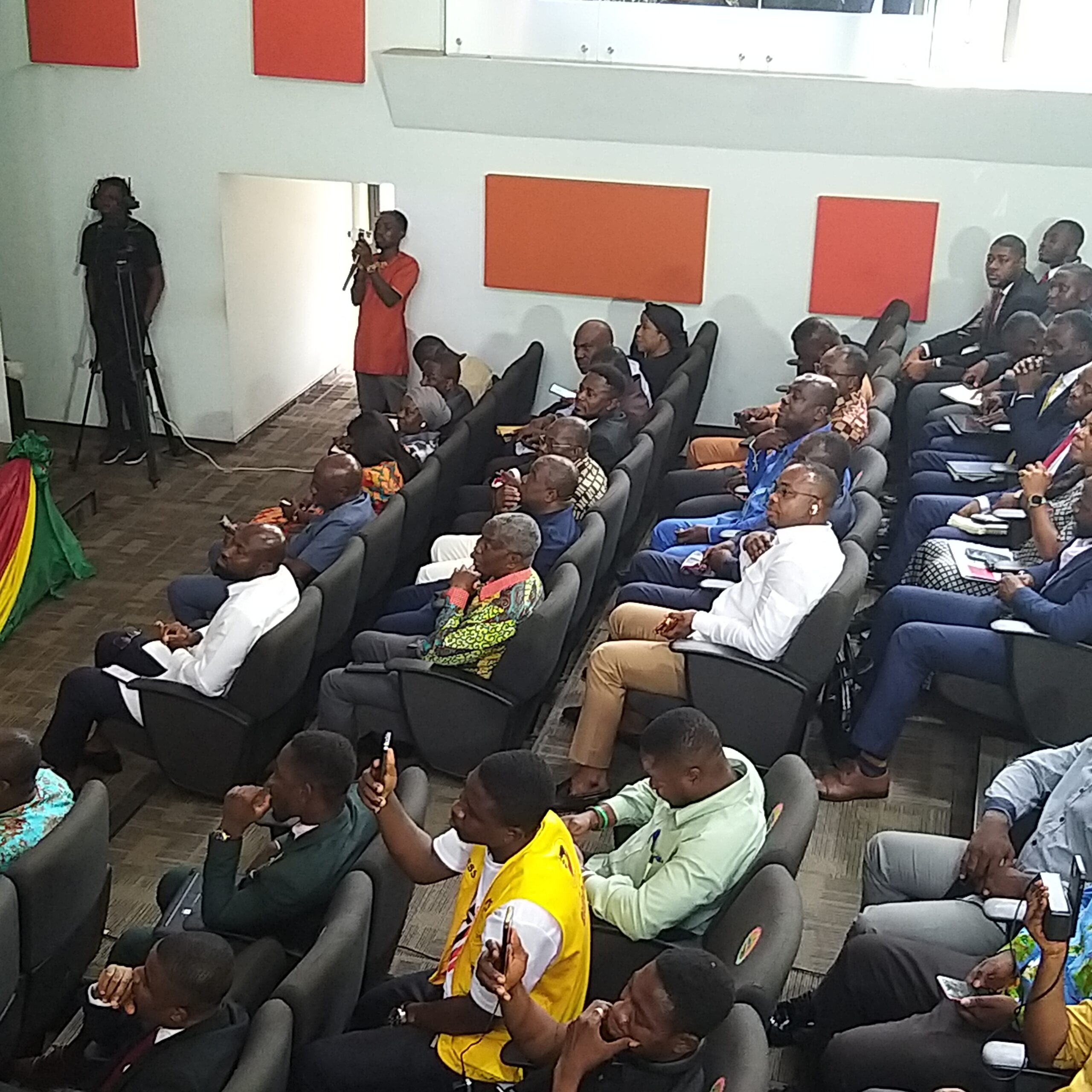
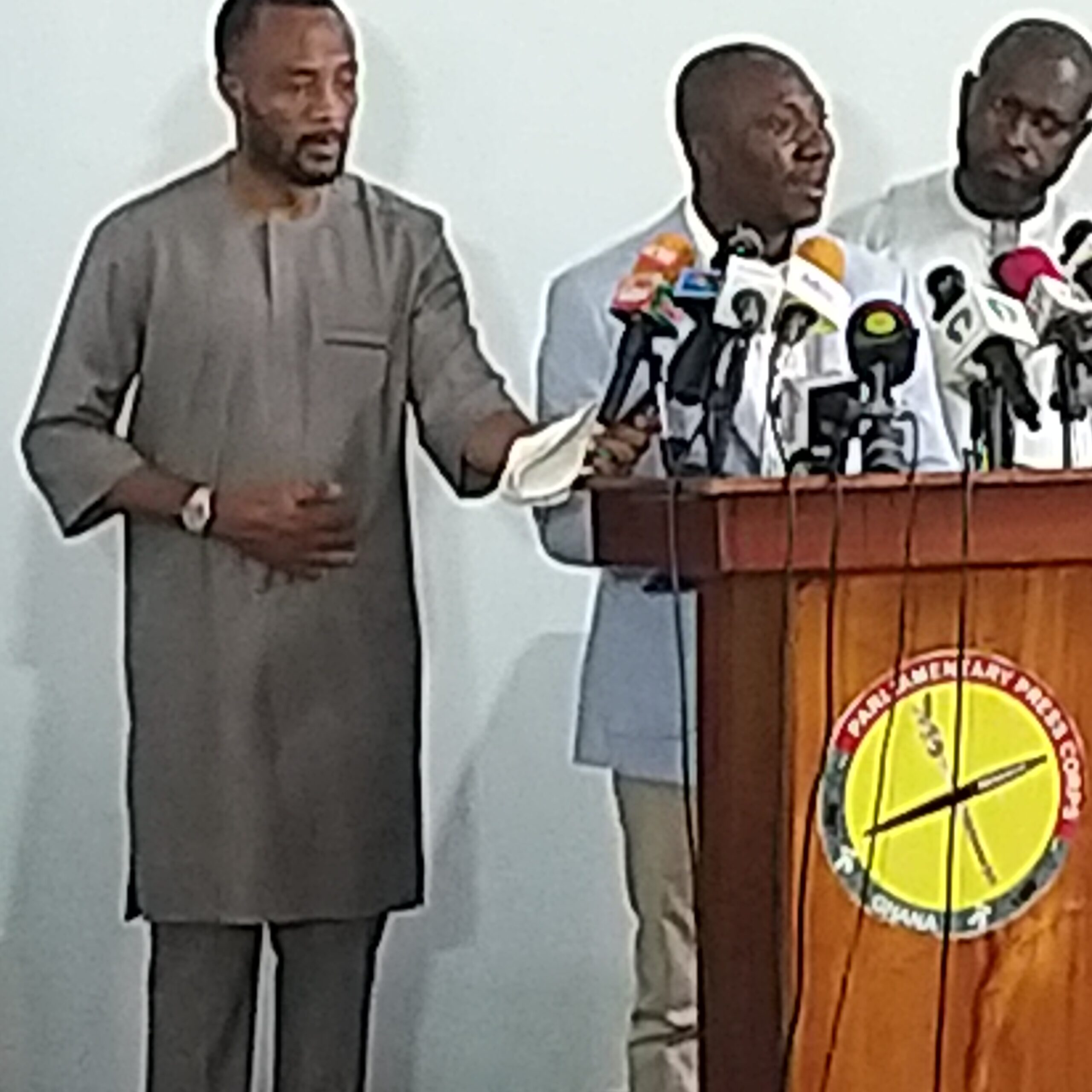
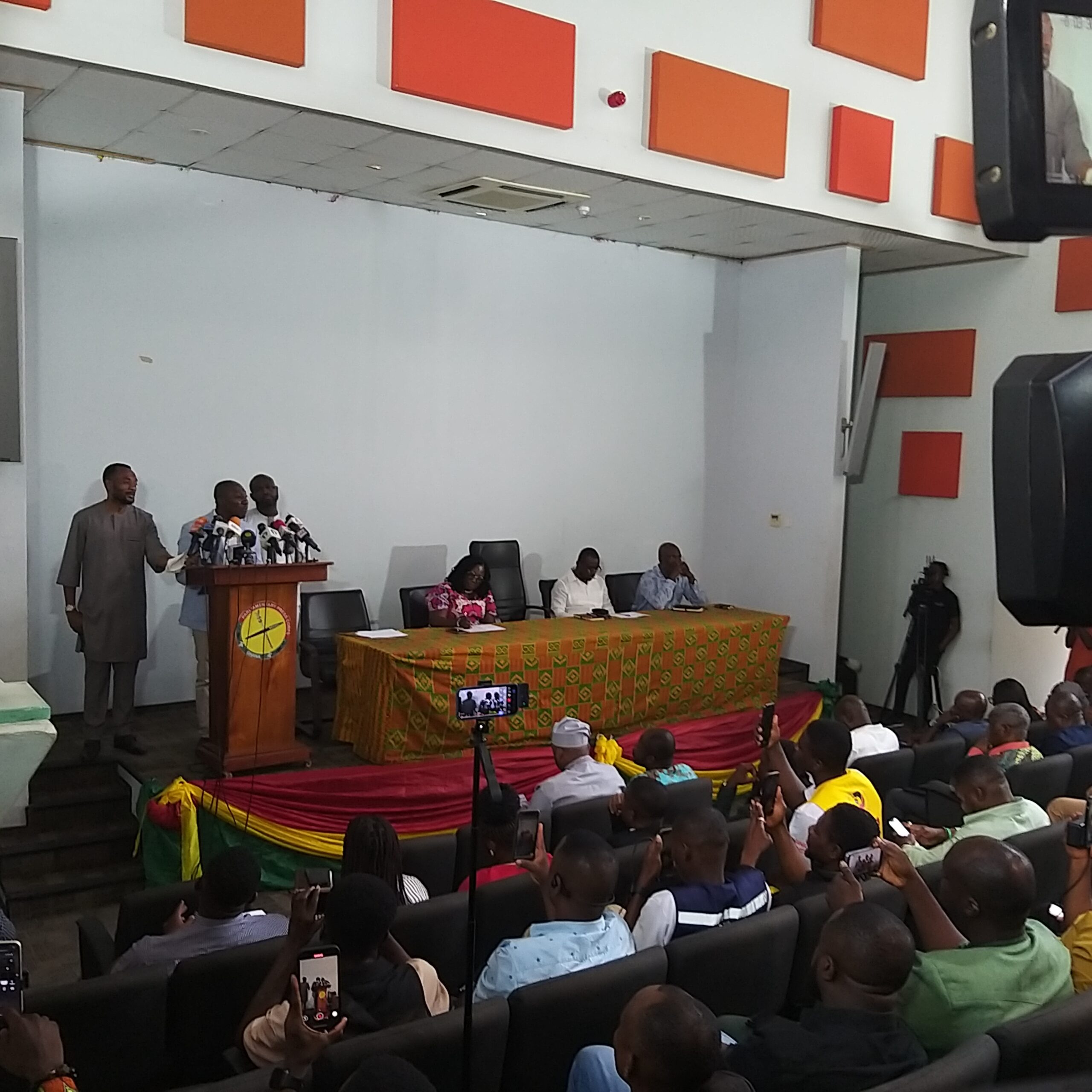
The Minority Leader, Osahen Alexander Kwamina Afenyo-Markin, made the remarks at a press conference on Monday, January 26, 2026, as part of the Minority’s assessment of the first year of the John Dramani Mahama-led National Democratic Congress (NDC) administration.
The press conference, held under the theme “Holding Government to Account: A Year of Active and Responsible Minority Scrutiny in Ghana’s 9th Parliament,” addressed various segments of the economy including government’s implementation of the Gold for Reserves programme.
According to Mr. Afenyo-Markin, the Minority is not opposed to the continuation of the policy, which he said was originally initiated under the previous NPP administration. However, he insisted that the structure under the current government raises red flags.
“We are again not opposed to a new vehicle to see the implementation of that all-important policy. However, we have two major concerns. Concern number one is the establishment of the Gold Board as a regulator and also an operator in a way that is really encouraging galamsey activities,” he stated.
He said the situation has worsened the destruction of the environment, particularly the pollution of water bodies.
“Our water bodies are being polluted. Organised labour last year even indicated that galamsey activities are worse. This government has failed to provide tangible evidence of its commitment in the fight against galamsey. What we see is a PR deal, looking at optics rather than substance,” he alleged.
The Minority Leader questioned whether the Gold Board distinguishes between legally mined gold and gold sourced through illegal mining.
“They talk about their success stories and the tons of gold they are purchasing, yet they fail to tell us whether there are measures to prevent the acquisition of gold mined through galamsey. The future of this country is at stake,” he warned.
IMF-reported losses
Mr. Afenyo-Markin’s second major concern related to what he said were losses of US$240 million reported by the International Monetary Fund (IMF) as of September 2025, arising from the Gold for Reserves programme.
He said there appears to be confusion between the Ghana Gold Board and the Bank of Ghana over responsibility for the reported losses.
“The IMF says the losses came as a result of the Bank of Ghana failing to protect our funds. How can you give money to the Gold Board to buy gold and then make losses because of exchange rate differences? How can you be paying fees that by law you are not entitled to pay?” he asked.
He argued that the situation could amount to causing financial loss to the state, referencing the Selormey case, in which Justice Afreh outlined principles on financial loss to the state.
“What is happening amounts to a financial loss to the state. We are aware that respected legal experts within government have warned about this,” he said, urging the central bank to take immediate corrective steps.
Cost adjustments and moratorium
The Minority Leader disclosed that following concerns raised by the NPP Minority, a joint board meeting between the Bank of Ghana and the Gold Board agreed to reduce margins for artisanal miners to 9.75 percent for bullion and 9.55 percent for on-process bullion, down from 15 percent.
Although he described the reduction as “commendable,” he maintained that significant losses remain.
He further revealed that the Bank of Ghana has proposed a one-month moratorium to allow further deliberations among the Ministry of Finance, the Gold Board and other stakeholders on a sustainable cost-sharing structure.
“If the programme is to be sustained, it must be profitable. We need money to build roads, hospitals, schools and to create jobs. If the central bank is going to underwrite artificial losses and call them economic costs, the Minority will not accept this,” he stressed.
Parliamentary action
Mr. Afenyo-Markin also announced that the Minority has filed a motion in Parliament to allow for broader engagement on the Gold for Reserves programme, adding that the Speaker has admitted the motion.
“We urge all stakeholders to open up and hear our views so that together we can move this country forward,” he concluded.
The Gold for Reserves programme is a key pillar of government’s strategy to strengthen foreign reserves and stabilize the cedi, but it continues to face scrutiny over transparency, cost and its impact on illegal mining.
By: Christian Kpesese