


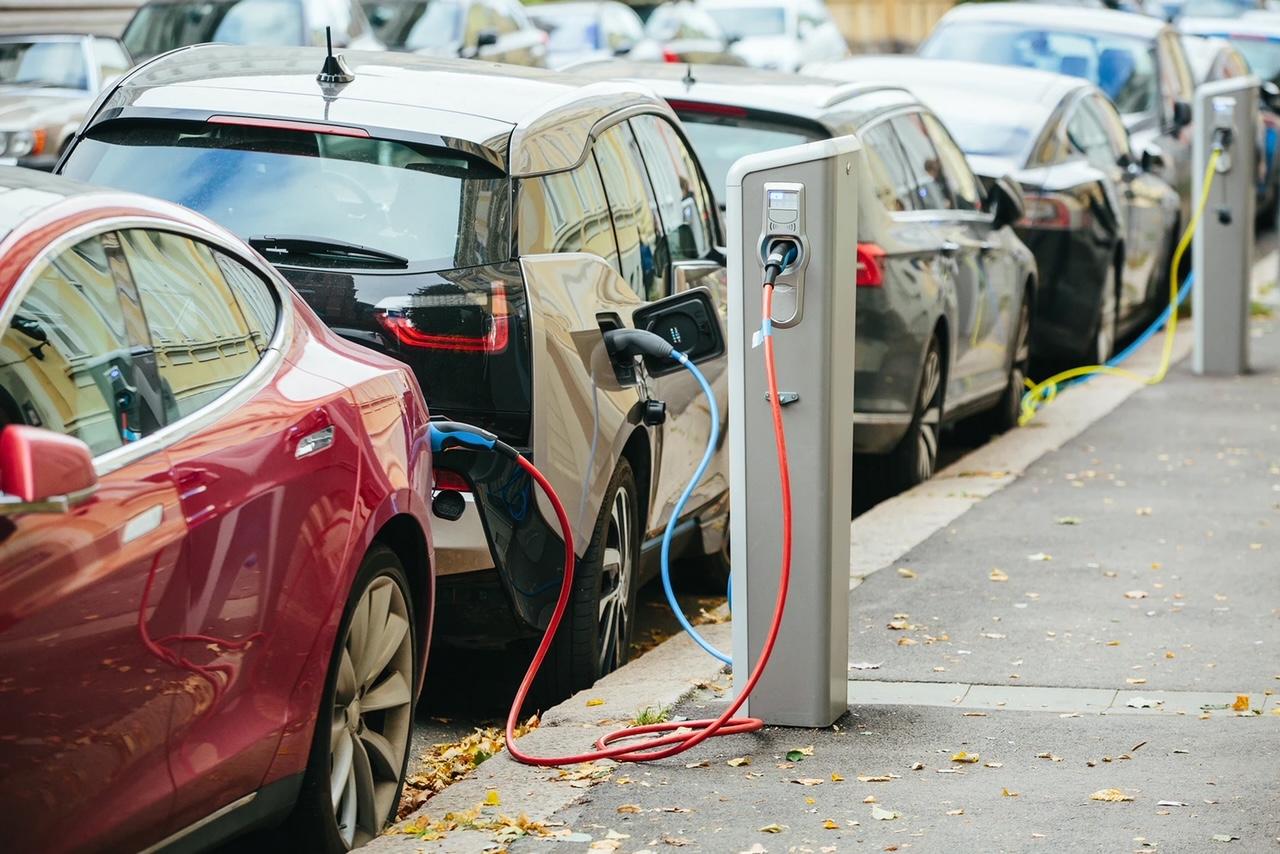
Ghana has been urged to fast-track the decarbonisation of its transport sector to unlock clean energy benefits, reduce emissions, and strengthen its growing automotive industry.
The UK–Ghana Jobs and Economic Transformation (JET) Programme made the call on Monday, January 26, to mark the International Day of Clean Energy, saying Ghana is well positioned to harness clean energy to drive industrial competitiveness, create quality jobs, and reinforce its ambition as a leading automotive hub in West Africa, in line with Sustainable Development Goal 7.
The UK–Ghana JET Programme urged Vice President Professor Jane Naana Opoku-Agyemang, as champion of the Ghana Automotive Development Policy, and the Minister of Trade, Agribusiness and Industry, Elizabeth Ofosu-Adjare, to lead an early, coordinated push to accelerate cleaner transport and support an inclusive energy transition.
According to the programme, progress on clean energy is critical not only to Ghana’s unconditional target of reducing greenhouse gas emissions by 15 per cent by 2030 under its Nationally Determined Contribution, but also to addressing mounting public health and economic costs linked to transport emissions.
Transportation remains one of the country’s largest sources of greenhouse gases, accounting for nearly half of all energy-related emissions, with levels rising by almost 15 per cent between 2015 and 2023. The increase has been driven largely by dependence on fossil fuels, an ageing vehicle fleet, and rapid urbanisation—factors closely linked to the automotive sector.
Air pollution, the programme noted, is now the second leading cause of deaths in Ghana after HIV, tuberculosis and malaria combined, costing the economy an estimated $3 billion annually, or about four per cent of GDP.
Speaking on the clean energy transition, the Development Director at the British High Commission in Accra, Terri Sarch, underscored the role of the automotive industry in driving sustainable growth.
“Ghana’s automotive sector has the potential to be a powerful driver of clean energy transition, industrial growth and job creation. This is a part of our partnership approach with Ghana on mutual economic growth, through policies and investments that accelerate cleaner transport, strengthen local manufacturing, and deliver economic opportunities that are inclusive and sustainable,” she said.
Ghana currently has an estimated 3.2 million vehicles in operation, with an average vehicle age of 14 years. Annual vehicle imports stand at about 100,000 units, with roughly 80 per cent made up of used vehicles, many of which are more than a decade old and highly polluting.
While the uptake of electric vehicles is increasing—particularly electric two- and three-wheelers—transitioning to a modern, low-emission vehicle fleet remains slow and could take decades without deliberate intervention.
A 2025 mid-term review of the Ghana Automotive Development Policy, conducted by the Ministry of Trade, Agribusiness and Industry with support from the UK–Ghana JET Programme, showed that the policy has already helped unlock about $98 million in investment from global manufacturers including Volkswagen, Toyota, Kia, Nissan and Hyundai, alongside local firms such as Kantanka.
Seven vehicle assembly plants have been established with a combined installed capacity of 140,000 units annually. However, domestic demand for new vehicles remains far below this capacity, limiting the sector’s overall impact.
The programme identified affordability as a major constraint, citing the absence of structured, asset-backed vehicle financing schemes and the dominance of cash-based purchases, which restrict access to cleaner mobility solutions, particularly for low-income households.
To address these challenges, the JET Programme outlined three priority actions for government consideration: fast-tracking approval of the revised GADP to include electric and two- and three-wheeler manufacturers; supporting asset-based vehicle financing schemes through participating financial institutions; and prioritising government procurement of locally assembled vehicles to boost demand and investor confidence.
According to the programme, accelerating these measures would deliver cleaner air, safer roads, thousands of skilled jobs, and a more competitive manufacturing base, while reducing emissions and improving public health outcomes.
Marking the International Day of Clean Energy, the programme said Ghana has a clear opportunity to lead in clean manufacturing and sustainable transport if decisive action is taken to scale what already works.
The International Day of Clean Energy, observed every January 26, was declared by the United Nations as a call to raise awareness and mobilise action for a just and inclusive transition to clean energy for the benefit of people and the planet.