


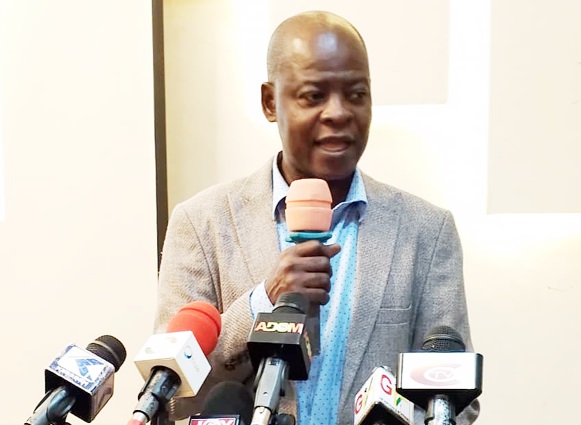
Energy analyst and policy advocate Dr Steve Manteaw has rejected claims that the Bank of Ghana (BoG) suffered a US$214 million loss under its domestic gold purchase programme, describing such reports as “skewed” and misleading for failing to account for the broader economic benefits of the initiative.
In a Facebook post reacting to the headline, Dr Manteaw acknowledged that the BoG indeed incurred accounting losses under the programme but argued that these losses were a deliberate policy choice designed to deliver net gains to the Ghanaian economy.
He explained that GoldBod, which procures gold on behalf of the central bank, was instructed to buy gold from local miners at zero per cent discount. According to him, this meant the BoG absorbed operational costs such as logistics, administration and utilities, similar to a trader buying goods at the same price they are sold.
“This was done for good reasons,” he noted, stressing that the pricing policy was aimed at discouraging gold smuggling. He said the sharp increase in domestic gold purchases suggests miners now find it more attractive to sell locally rather than divert gold through illicit channels.
Dr Manteaw argued that the programme has significantly strengthened Ghana’s external position, enabling the BoG to build “unprecedented volumes” of gold reserves. He said export proceeds from these reserves have generated over US$10 billion in foreign exchange, far outweighing the reported losses, which he estimates at less than three per cent of total export earnings from the scheme.
According to him, the gold-backed inflows have helped stabilise the cedi and contributed to improvements in key macroeconomic indicators, including declining inflation and interest rates. He also linked the currency stability to recent reductions in fuel prices, noting that this could eventually translate into lower transport fares, food prices and improved living conditions if passed on to consumers.
Dr Manteaw contrasted the gold programme with BoG’s broader financial performance, pointing to the GH¢9.49 billion operating loss recorded by the central bank in 2024, following a GH¢13.23 billion loss in 2023. He argued that, unlike the gold purchase losses, those deficits had “almost no economy-wide positive impact.”
While acknowledging concerns that may be raised by the International Monetary Fund (IMF), Dr Manteaw cautioned against abandoning the strategy. He noted that reliance on commodity exports carries risks, particularly during periods of global price volatility, but urged policymakers to leverage current gains to strengthen domestic production.
Among his recommendations, he called for renewed support for import substitution, increased investment in food production to cut imports, and diversification of exports into finished and semi-processed goods.
Dr Manteaw also urged Ghana to apply IMF advice selectively, arguing that not all prescriptions align with national interests. He pointed to oil-producing countries such as Saudi Arabia and the United Arab Emirates, which stabilise their currencies using export earnings, as examples Ghana could adapt to its own context.
“We should take their advice,” he said, “but blend it with our own ideas.”
By: Christian Kpesese