


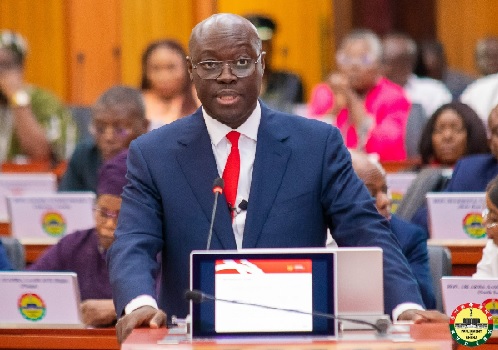
Ghana’s Parliament on Friday, December 19, 2025, passed the 2026 Appropriation Bill Number 2, authorising the Minister for Finance to spend more than GH¢357.1 billion to finance government operations and development programmes for the 2026 financial year.
The approval of the Appropriation Bill in accordance with paragraph (a) of clause two article 179 the 19192 constitution requires that, estimates of expenditure of public offices shall be included in appropriation bill to be introduced in Parliament to provide for the issue of funds from the Consolidated Fund and other public funds to meet government expenditure.
The passage marks the culmination of nearly six weeks of intensive parliamentary scrutiny of the 2026 Budget Statement and Economic Policy, during which Members of Parliament from both sides of the House debated the government’s fiscal priorities, revenue measures and expenditure plans.
Moving the motion for the passage of the bill, the Minister for Finance, Dr Cassiel Ato Baah Forson, expressed gratitude to lawmakers for what he described as a “vigorous and in-depth” debate that enriched the final outcome of the budget process.
Dr Forson said the discussions reflected Parliament’s commitment to ensuring fiscal discipline, accountability and value for money, noting that many of the concerns and proposals raised by MPs had helped to sharpen government’s spending focus for the year ahead.
“The debates over the past six weeks have been robust and constructive. They underscore the collective responsibility we all share in restoring macroeconomic stability and putting Ghana back on a sustainable growth path,” the Finance Minister told the House.
The 2026 Appropriation Act provides the legal backing for the withdrawal of funds from the Consolidated Fund and other public funds to meet government expenditure across ministries, departments and agencies, as well as statutory obligations.
During consideration of the bill, MPs examined allocations to key sectors including education, health, roads, especially the Big Push infrastructure projects, energy and social protection, against the backdrop of ongoing economic recovery efforts and fiscal consolidation measures.
While the Majority side argued that the budget and accompanying appropriation were aligned with the government’s broader economic reset agenda, Minority MPs raised concerns about revenue projections, debt servicing costs and the impact of certain spending priorities on ordinary Ghanaians.
Despite these differences, the bill was ultimately passed by consensus, paving the way for full implementation of the 2026 budget from January 1, 2026.
By: Christian Kpesese