


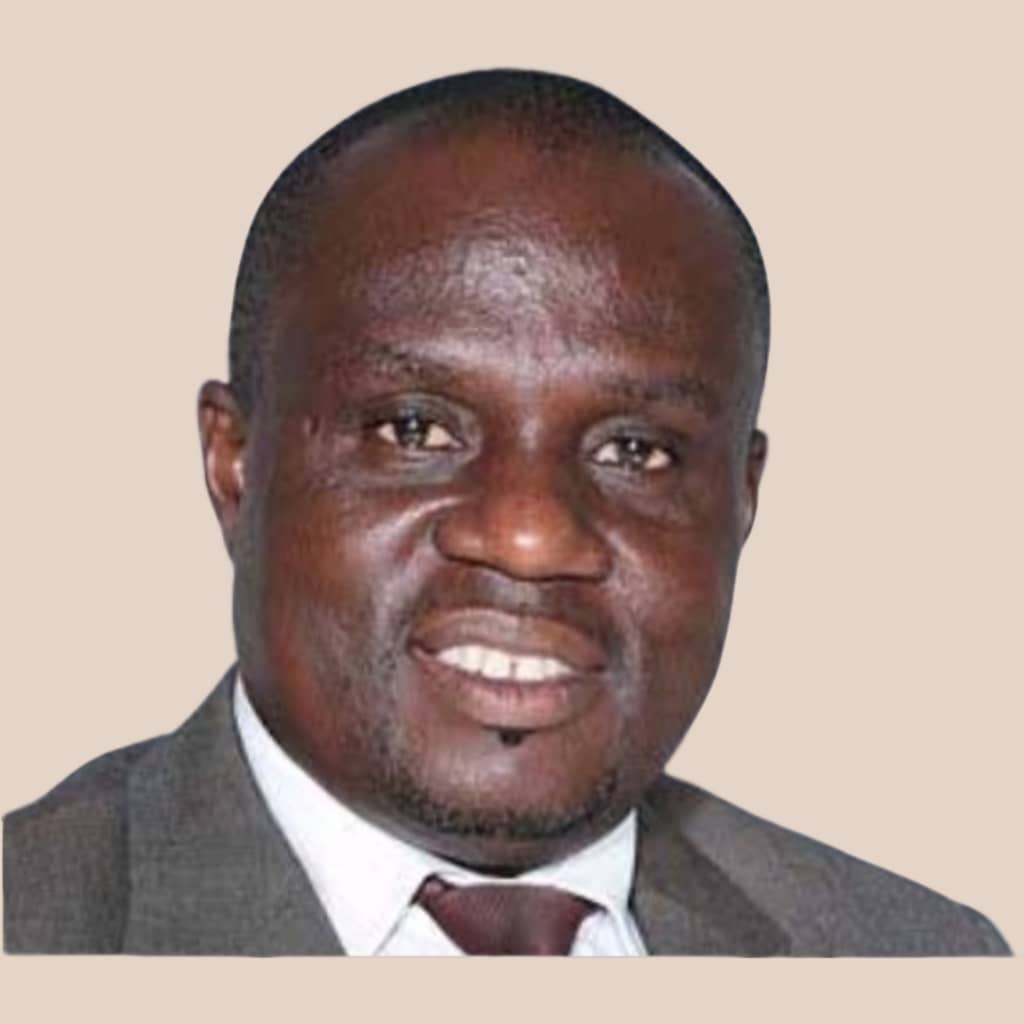
Chairman of Parliament’s Committee on Economy and Development, Eric Afful, has thrown his weight behind the John Dramani Mahama-led government’s decision to scrap selected taxes on petroleum products, describing it as a timely intervention to shield vulnerable Ghanaians from mounting economic pressure.
Mr Afful, who also serves as Member of Parliament for Amenfi West, said the policy reflects the governing National Democratic Congress (NDC)’s commitment to pro-poor governance and responsive economic management.
The announcement, made by Minister for Government Communications and Presidential Spokesperson, Felix Ofosu Kwakye, outlined a series of Cabinet-approved measures aimed at easing the burden of rising fuel costs.
Key among the interventions is the temporary removal of certain taxes and margins on petroleum products for a four-week period, beginning next week. The government is also rolling out 100 new electric buses under the Metro Mass Transit system to provide more affordable public transport options.
In a further show of austerity, fuel allowances for ministers and senior government officials have been scrapped.
“This is a bold step by the government to cushion Ghanaians amidst rising fuel prices,” Mr Afful noted, emphasising that the measures will bring immediate relief to households and transport operators.
The policy shift comes against the backdrop of heightened global oil market volatility triggered by escalating tensions involving the United States and Israel on one side and Iran on the other. The conflict has raised concerns over disruptions to the Strait of Hormuz—a critical maritime passage through which roughly a fifth of the world’s crude oil supply flows.
Any instability in the Strait of Hormuz typically leads to sharp spikes in global oil prices, with direct consequences for fuel-importing countries like Ghana.
Analysts warn that sustained geopolitical tensions could keep prices elevated, increasing the cost of living and intensifying pressure on governments to intervene.
Against this global uncertainty, the Mahama administration’s fuel tax relief measures are being positioned as both a short-term buffer and a broader signal of its intent to prioritize economic stability and social protection.
By: Christian Kpesese