



The Tema Oil Refinery is positioning itself to play a stronger role in Ghana’s energy security and regional petroleum supply as part of a broader transformation strategy under its current management.
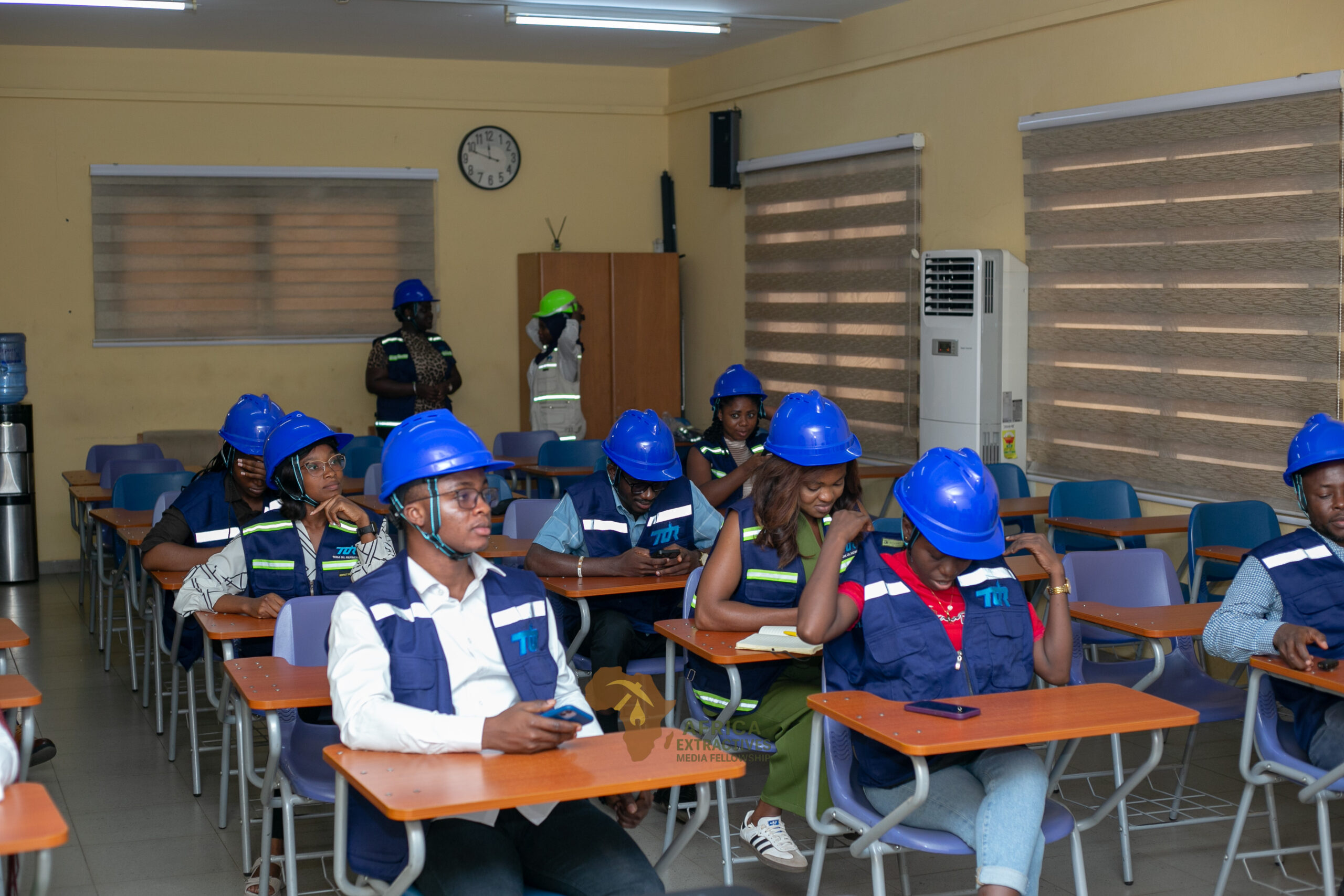
Managing Director of the refinery, Edmund Kombat, disclosed this during a briefing with journalists from the Africa Extractives Media Fellowship (AEMF), who visited the facility during a study tour under the auspices of Newswire Africa with support from the Australian High Commission in Ghana.
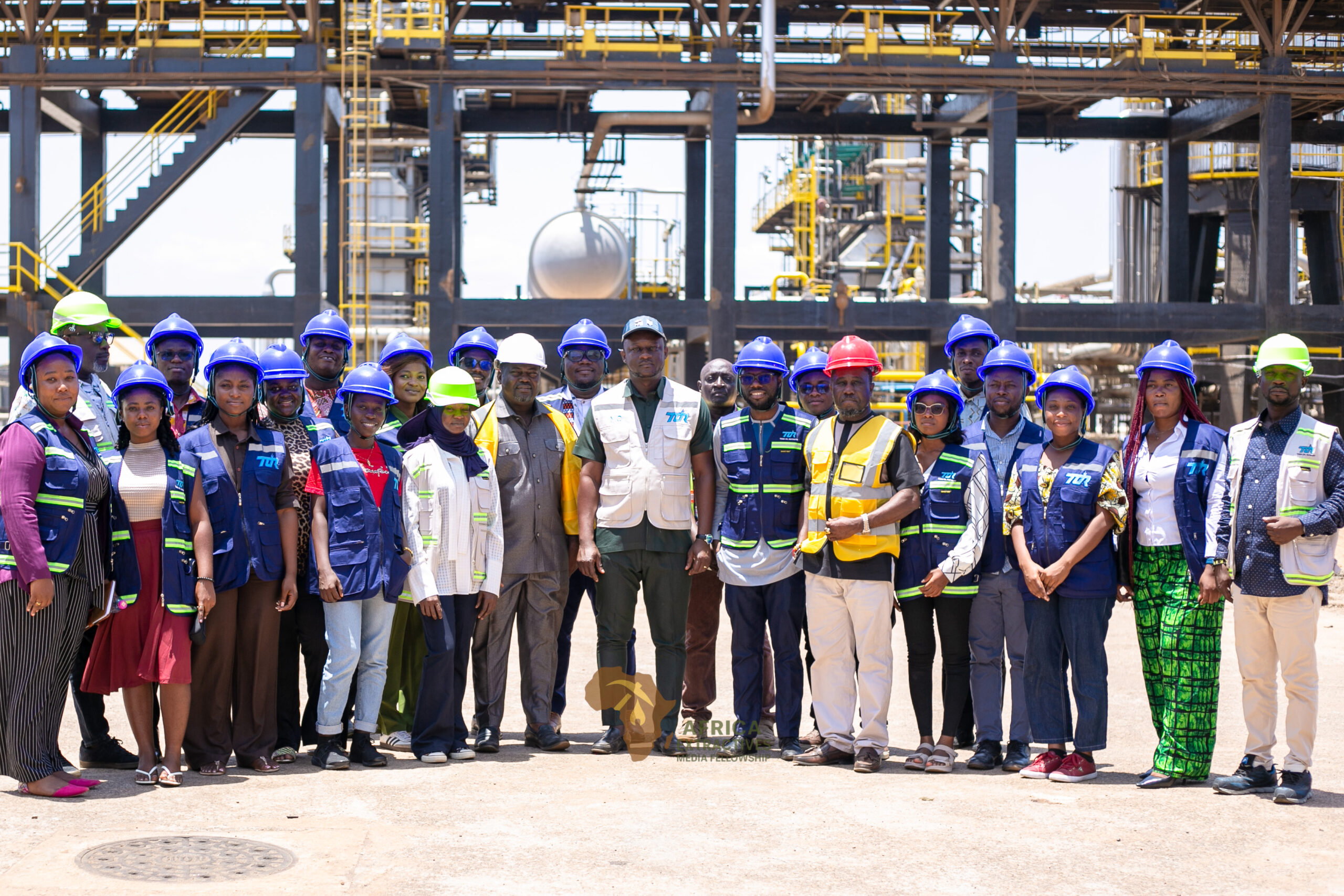
According to him, the refinery’s renewed operations are intended to strengthen domestic fuel supply while also supporting distribution to neighbouring markets, particularly in the Sahelian region.
Mr Kombat explained that TOR’s strategic location and extensive infrastructure including pipelines, tank farms and marine facilities give it a unique advantage in the regional petroleum supply chain.
“This refinery is connected to key distribution networks and has the capacity to serve not only Ghana but also other countries in the sub-region,” he said.
The refinery currently operates 57 storage tank farms and offers a range of services, including storage, product blending and pipeline discharge operations for petroleum companies.
In recent months under the current management, TOR has generated about $21 million in internally generated funds, largely from leasing tank farms, pipeline services and earnings from the refinery’s jetty operations.
Mr Kombat said these revenues have helped sustain operations at a time when the refinery is still undergoing rehabilitation and capacity expansion.
He also noted that improvements have been made to the loading system to support petroleum marketers and Bulk Distribution Companies.
Working with the National Petroleum Authority and private petroleum service providers, the refinery extended loading hours at its racks to allow more efficient product movement and reduce congestion.
“We had to work closely with industry players and assure them that their products would be secure at the refinery,” he said.
Mr Kombat said the refinery is also strengthening safety, compliance and financial management systems to support long-term growth.
These measures include improved product security, regulatory compliance and operational oversight.
However, the Managing Director acknowledged that the refinery continues to operate within a challenging global energy environment.
He cited rising shipping and insurance costs linked to geopolitical tensions affecting crude oil transportation routes, which have increased freight charges for petroleum imports.
Despite these pressures, he said the refinery is working with partners across West Africa to mitigate costs and sustain operations.
Mr Kombat also revealed that plans are underway to upgrade key processing technology, including the acquisition of a hydro-treater that would enable the refinery to significantly reduce sulphur content in petroleum products and meet stricter environmental standards.
This, he explained, will enhance TOR’s competitiveness in both domestic and international markets.
In addition, the refinery is undergoing asset revaluation the first major exercise of its kind in decades as part of efforts to ensure transparency in potential public-private partnership discussions and future investments.
Mr Kombat emphasised that accurate asset valuation is critical to protecting the national interest in any future partnership arrangements.
“We want to ensure that the country receives the true value of this asset. That is why the valuation process is important,” he stated.
With production gradually increasing and infrastructure upgrades underway, management believes TOR is steadily regaining its strategic relevance in Ghana’s petroleum sector.
For industry analysts, the refinery’s reawakening could significantly strengthen Ghana’s ability to stabilise fuel supply, reduce import dependence and expand its presence in the West African energy market.
By: Christian Kpesese