


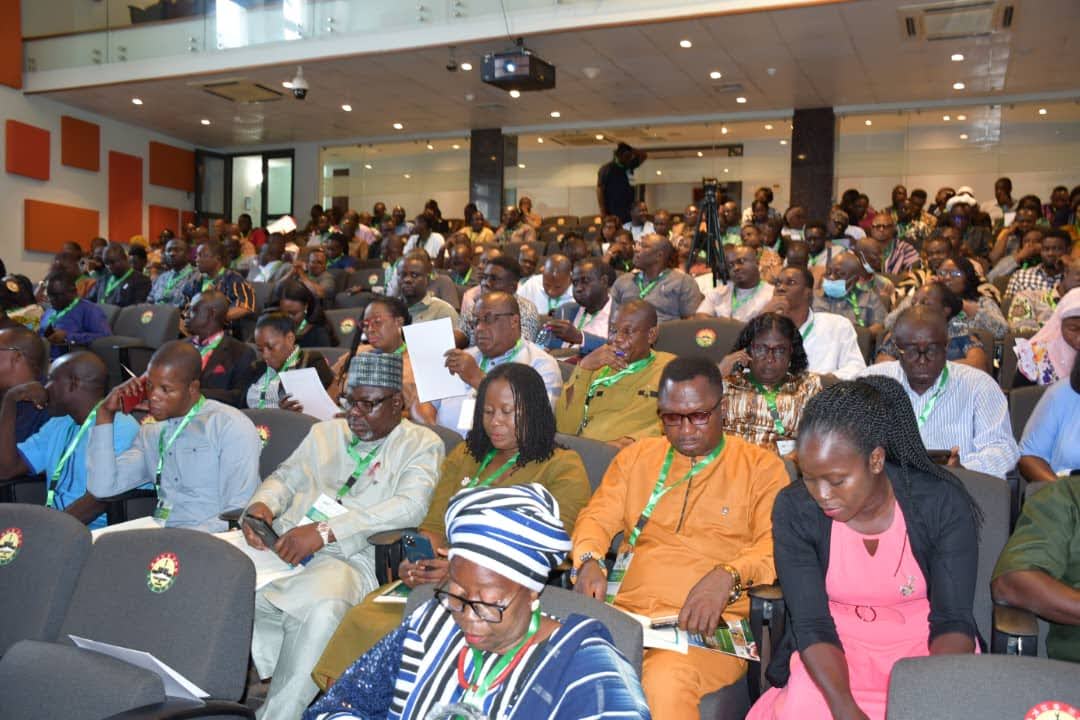
A day’s Climate Communication Forum and Workshop focused on equipping Metropolitan, Municipal and District Assemblies (MMDAs) with the skills and knowledge to integrate climate change mitigation and adaptation into their medium- and long-term development planning has ended in Accra.
The workshop, organised by Climate Communications and Local Governance-Africa (CCLG-Africa), brought together environmental focal persons, District Chief Executives, planning officers and coordinating directors from across the country, alongside representatives of civil society organisations, academia and the private sector.
According to the organisers, the primary objective of the training was to expose local authorities to emerging climate issues and strengthen their capacity to translate national climate policies into practical, community-based interventions.
President of CCLG-Africa, Kofi Don Agor, said the initiative was driven by the reality that the worst impacts of climate change are felt at the grassroots level, making it critical for assemblies to understand the issues in order to design and implement effective mitigation and adaptation strategies and effectively communicate same to the understanding of residents.
“The people most affected by climate change live in our districts and communities, so local governments must be well-informed and proactive in policy formulation and implementation,” he noted.
In a keynote address, the Minister for Local Government, Chieftaincy and Religious Affairs, Ibrahim Ahmed, stressed that climate change had become a present and urgent challenge for Ghana, requiring strong local action and coordinated governance.
He explained that the workshop aligns with government’s broader agenda to strengthen decentralised climate action, positioning MMDAs as key drivers of national climate resilience efforts.
The Minister outlined several ongoing initiatives supporting local climate action, including the Boosting Green Employment and Enterprise Opportunities in Ghana (GrEEn) Project, the Local Climate Adaptive Facility Applying Circular Economy (LUCA) Project, and the Tamale Urban Resilience Project, all of which aim to enhance access to climate finance and promote green, climate-resilient infrastructure at the local level.
Other interventions cited were the Ghana Secondary Cities Support Project and the Greater Accra Resilient and Integrated Development (GARID) Project, which focus on sustainable urban infrastructure, improved drainage systems and renewable energy solutions.
He also announced that the ministry is finalising the Revised National Urban Policy and Human Settlements Plan (2026–2035), which incorporates green city concepts, digitalisation and climate-smart urban planning frameworks to guide development at the district level.
As part of broader environmental reforms, the Minister reiterated government’s decision to halt the use of wood-based furniture in schools in a bid to curb deforestation and promote sustainable alternatives.
He urged local assemblies and citizens to take practical steps towards environmental stewardship, including tree planting and community-led greening initiatives, describing climate resilience as a shared responsibility.
In a speech read on his behalf, the Minister of State for Climate Change and Sustainability, Hon. Issifu Seidu, said the workshop supports government’s vision of embedding climate action across all sectors of governance.
He disclosed plans to establish Climate and Sustainability Units in all 261 MMDAs to decentralise climate action and empower local authorities to plan, implement and monitor sustainability programmes based on local needs.
“These units will serve as hubs for data collection, community engagement, climate finance mobilisation and partnership coordination, ensuring that national climate policies translate into real impact at the local level,” he said.
The Minister added that effective climate communication remains central to driving behavioural change, noting that while climate impacts such as flooding, coastal erosion and erratic rainfall are evident nationwide, public understanding of adaptation strategies remains limited.
He said the forum, organised under the auspices of John Dramani Mahama’s administration, represents a strategic step towards building informed, climate-smart districts capable of responding to Ghana’s growing environmental challenges.
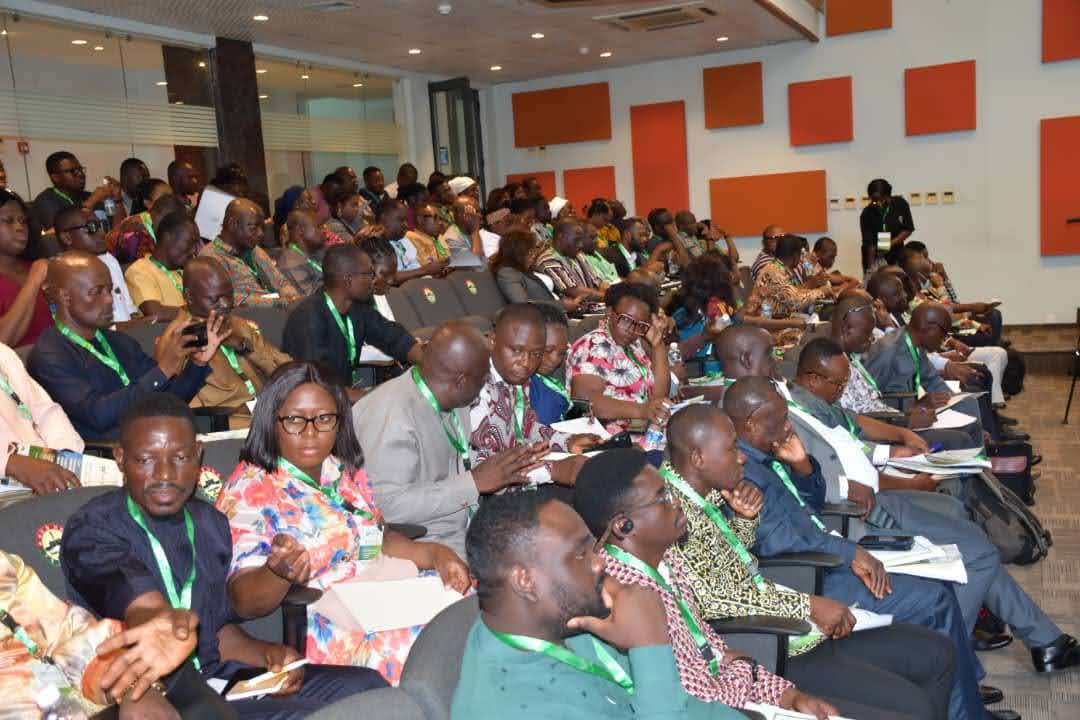
Over 350 participants benefited from the training.